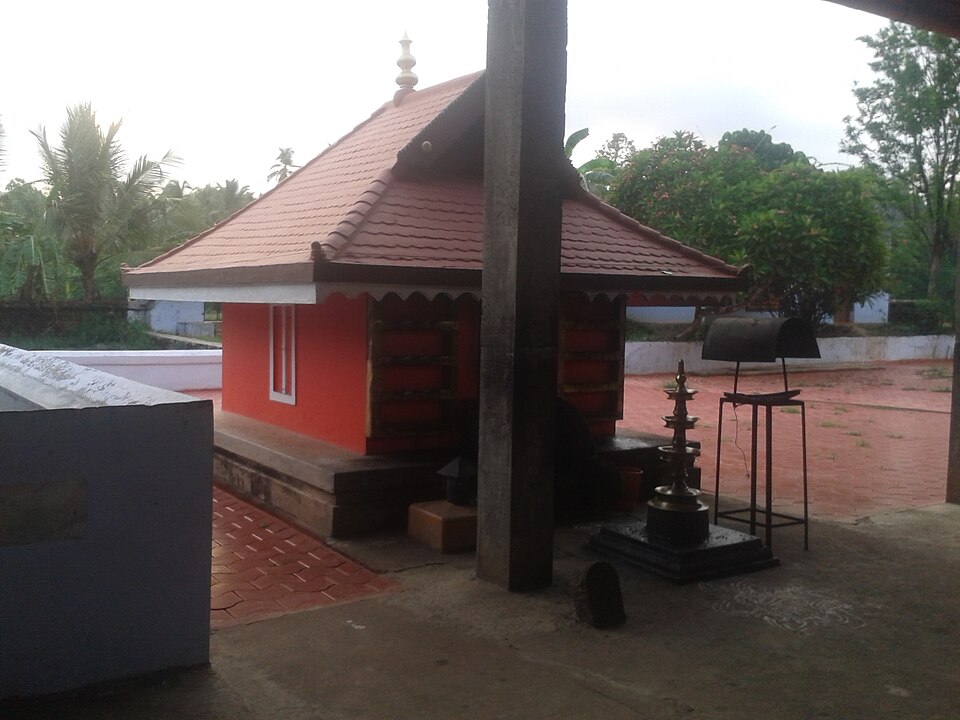
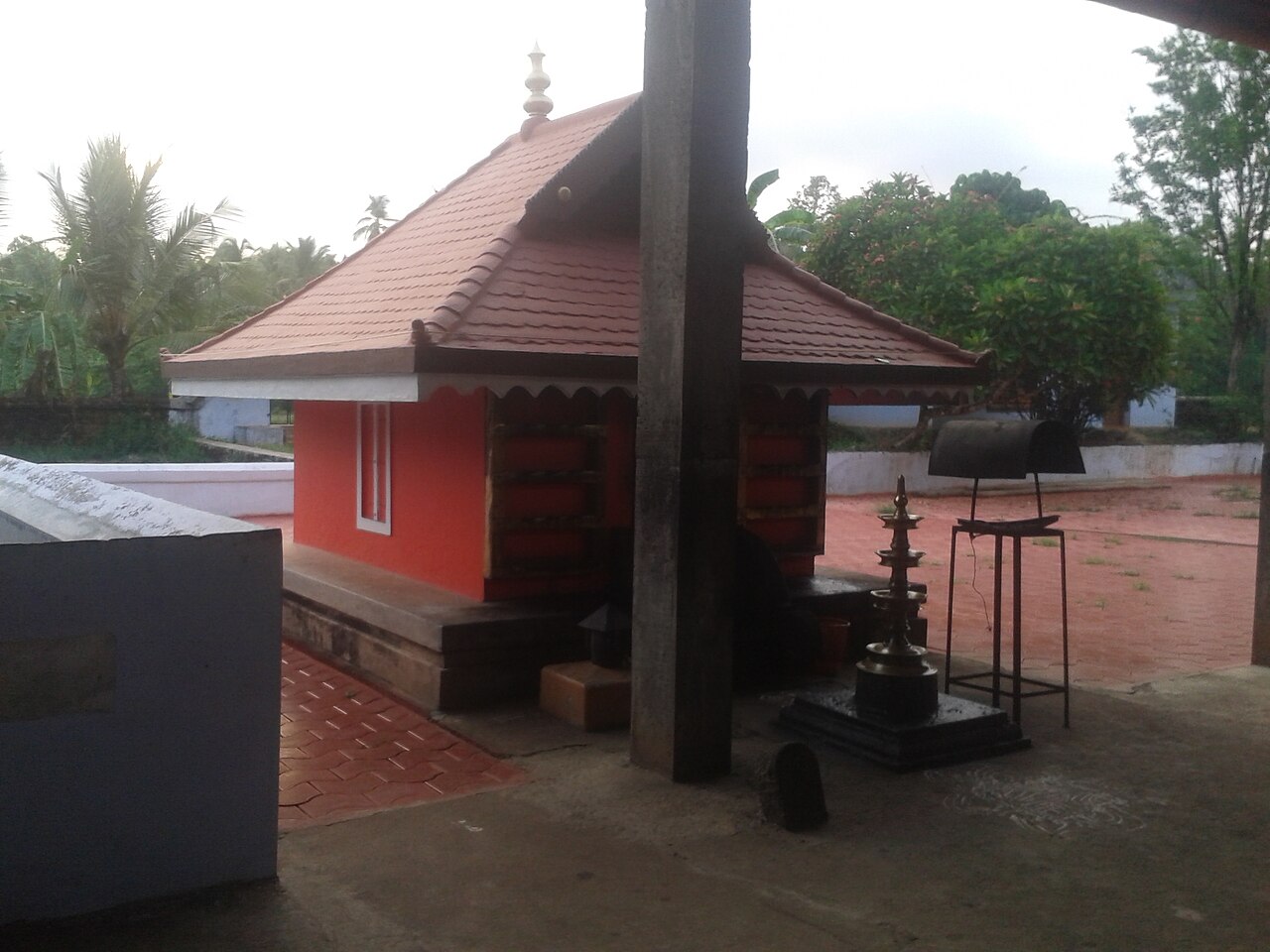
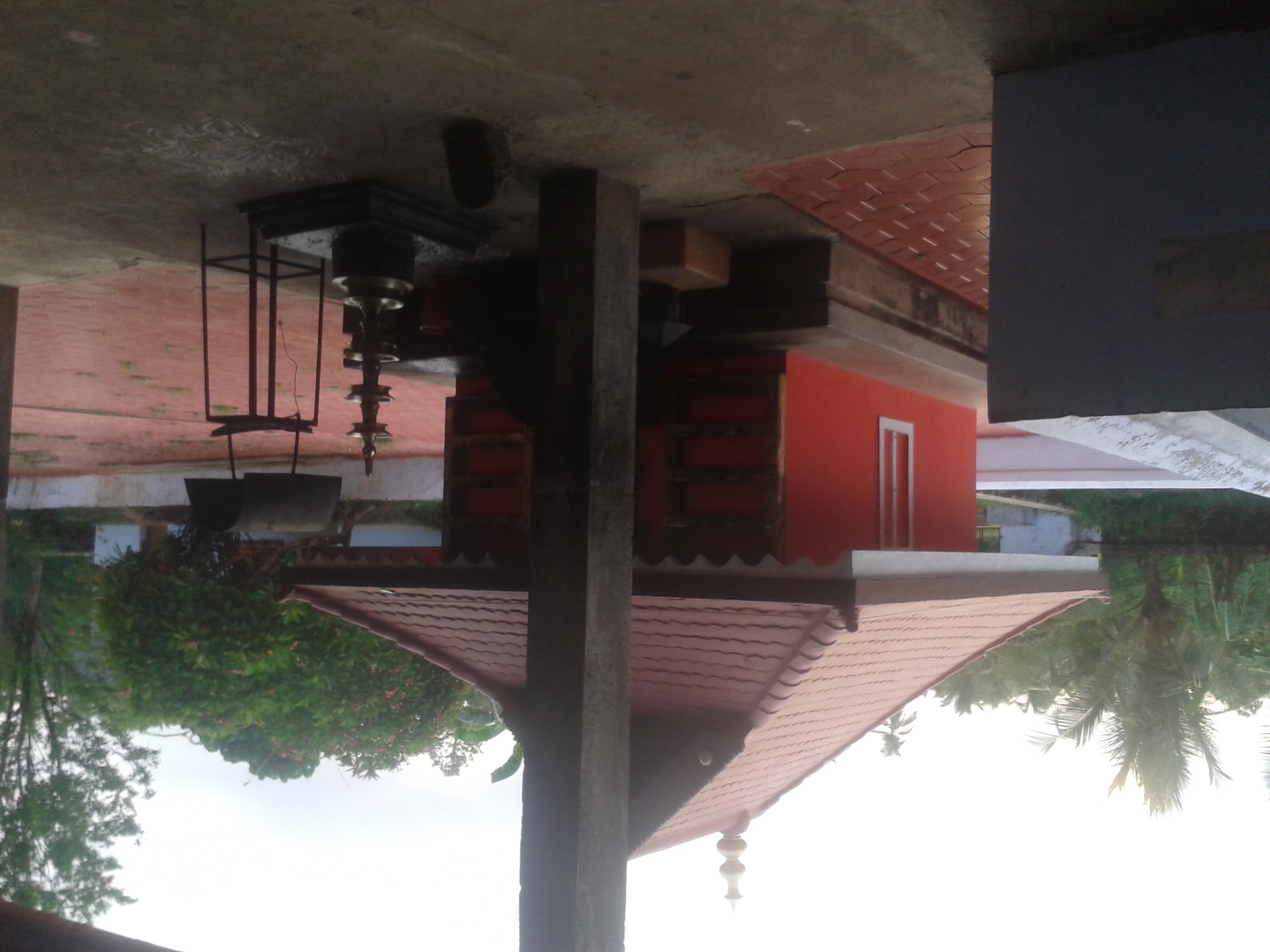
Kaikkulangara Devi Temple
About Kaikkulangara Devi Temple
The most significant time to visit Kaikkulangara Devi Temple is during Navratri and Durga Ashtami, the nine-night festival and the eighth day of the lunar month dedicated to the goddess. These periods draw increased numbers of devotees and typically see special rituals and observances. Durga Ashtami, which falls within the Navratri cycle, holds particular importance at temples dedicated to this deity, as it commemorates the goddess's victory over demonic forces.
Beyond these peak periods, the temple remains open to visitors throughout the year. However, specific darshan timings are not currently documented in available sources. Before planning a visit, it is advisable to contact the temple directly to confirm current opening hours, as festival days often operate on different schedules than regular days.
Approaching the Temple
The temple sits at coordinates 10.8551895, 76.2795775 in Kerala's Malappuram district. Visitors traveling to Mundakottukurushi will find the shrine on the Krishnapadi–Kailiyad Road. The postal code 679335 can assist with navigation and local inquiries. Those unfamiliar with the area may benefit from using digital maps to locate the precise address before arrival.
The surrounding region contains other temples and shrines, including Ponmugham Shiva Temple and Kalikadavu Cave Temple, allowing visitors to structure a broader pilgrimage route if desired. Local transportation options and accommodation facilities in Mundakottukurushi should be confirmed in advance, as the village is rural and services may be limited.
Visiting Practices and Etiquette
Visitors to Kerala temples typically observe modest dress, with women wearing sarees or salwar kameez and men wearing dhotis or simple clothing. Removing footwear before entering the sanctum is standard practice. As with most Hindu temples, menstruating women may face restrictions on entering inner sanctums, though practices vary by temple; it is respectful to inquire upon arrival.
Devotees often bring offerings such as flowers, coconuts, or sweets to present at the shrine. Photography policies are not specified in available sources and should be confirmed with temple staff. The temple's rural setting means that facilities such as rest areas, water, or food services may be minimal; visitors should plan accordingly and bring necessary provisions.
Durga and Her Worship
Durga represents the supreme power of the goddess in her warrior aspect, celebrated across Hindu tradition for her triumph over forces of chaos and ignorance. Temples dedicated to her, particularly in Kerala, serve as centers where devotees seek her protection, strength, and blessings. The worship of Durga emphasizes both her fierce protective qualities and her role as the ultimate source of cosmic energy.
Navratri celebrations at Durga temples typically involve special pujas, recitations of sacred texts, and heightened ritual activity. Durga Ashtami, the eighth day of this festival cycle, holds particular significance as the day commemorating the goddess's victory. Devotees visit temples during this period to participate in these observances and receive darshan—the blessing of the deity's presence.
Planning Your Visit
Contact details for the temple have not been verified in current sources, making advance communication challenging. Visitors should attempt to reach out through local village contacts or nearby temples to confirm current timings and any special observances planned during their intended visit. This is especially important if traveling during festival periods, when schedules may differ significantly from regular days.
The nearest towns and transportation hubs should be identified before travel. As the temple serves a local village community, facilities for visitors may be basic. Bringing water, sun protection, and any necessary medications is prudent. Respectful behavior, appropriate dress, and a willingness to observe local customs will ensure a meaningful visit to this Devi shrine.
How to reach
Temples near Kaikkulangara Devi Temple

Cherpulassery Ayyappan Kav
Cherpulassery Sree Ayyappan Kavu is an ancient temple dedicated to Lord Ayyappa, believed to be over 1,200 years old and considered one of the 108 principal Ayyappa temples. Loc…
Panayur Palur Shiva Temple
Panayur Palur Shiva Temple in Vaniyamkulam, Palakkad district, is one of Kerala's 108 sacred Shiva temples, traditionally believed to have been established by sage Parashurama.
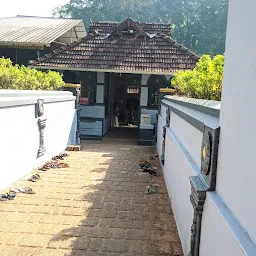
Vazhenkada Narasimhamurthy Temple
Vazhenkada Sree Narasimha Moorthi Temple is a 14th-century Hindu shrine in Malappuram, Kerala, renowned for its powerful Narasimha idol and traditional vazhipadu rituals believe…
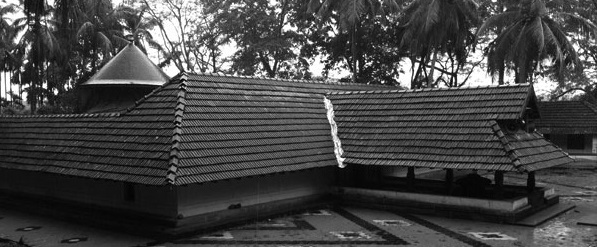
Chenganamkunnu Bhagavathy Temple
Sree Chenganamkunnu Bhagavathy Temple is one of 108 Durga shrines established by Lord Parashurama, located on the banks of the Bharathapuzha River in Palakkad district, Kerala.
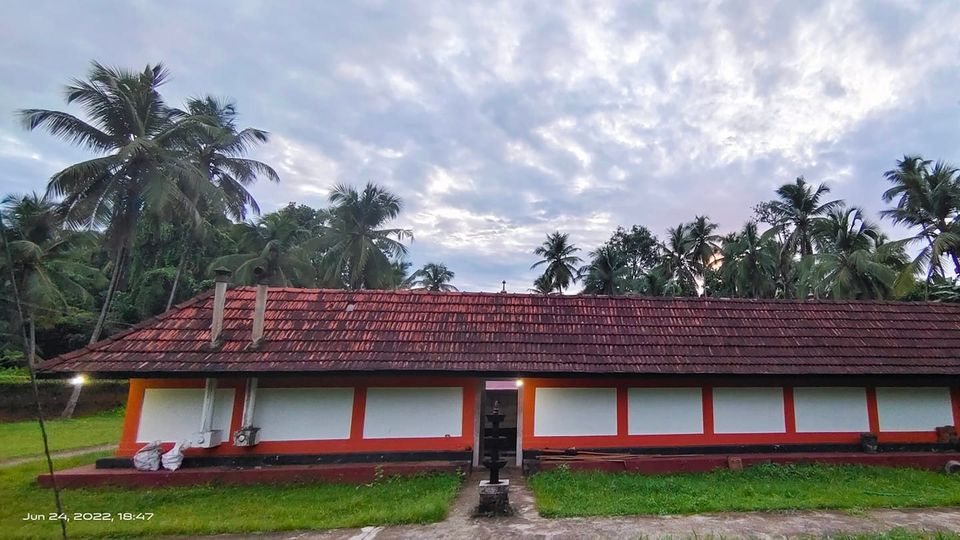
Pulamanthol Sri Rudra Dhanvantari Temple
Sri Rudra Dhanvantari Temple in Pulamanthol, Malappuram, uniquely enshrines Lord Shiva in his Rudra form alongside Dhanvantharimurthy, the Ayurvedic healing deity, making it Ker…
Vazhalikav Sree Bhadrakali Kshetra
Sree Pandaraparambil Bhadrakali Vishnumaya Temple is a Hindu shrine located in Valappad, Thrissur, Kerala, dedicated to the goddesses Bhadrakali and Vishnumaya.