Jayanti Devi Temple
About Jayanti Devi Temple
The temple's origins connect to the Kangra region's princely past. According to local tradition, the shrine traces its lineage to a Kangra princess and the Hathnaur estate, with later renovation undertaken by a ruler named Garibu. The structure itself reflects its hilltop setting: the temple sits atop a small elevation and features fort-like architecture with octagonal bastions, giving it a distinctive appearance that blends defensive design with sacred purpose. A marble idol of the goddess forms the focal point of worship within the sanctum.
The temple complex includes practical features for pilgrims: a water tank serves visitors, and balconies positioned around the structure offer views across the surrounding valley. A langar (community meal service) operates on Sundays, following the tradition of providing food to all who visit.
Daily Worship and Darshan
The temple opens daily from 6:00 AM to 8:00 PM, allowing devotees extended hours for darshan (viewing the deity). A morning aarti (ritual of worship with light and offerings) is performed each day, typically lasting around twenty minutes. This is the primary formal ritual observed at the shrine. Visitors should plan for a wait of thirty minutes to an hour during peak darshan times, particularly in the mornings when the atmosphere is quietest and most conducive to prayer.
The Annual Jayanti Devi Fair
Each February, on the full moon day, the temple hosts the Jayanti Devi Annual Fair, drawing large gatherings of devotees. This festival is the most significant observance at the shrine and marks a time of heightened ritual activity and celebration. The fair represents the temple's role as a major pilgrimage destination within the region and offers an opportunity to witness the shrine at its most vibrant.
Visiting the Temple: Practical Information
The temple sits approximately 15 kilometres from Chandigarh in the Ropar district of Punjab. From Chandigarh, visitors can reach the site via ISBT-43 (the inter-state bus terminal) and the ST Barrier; autos and taxis are available for the final leg of the journey. Parking is available at the temple.
The ascent to the sanctum involves climbing roughly one hundred steps up the hillock. The climb is steep and represents both a physical and spiritual undertaking. Visitors should wear modest clothing appropriate to a sacred space. Those who find the climb challenging will find resting points along the path where one can pause and recover. The temple is generally suitable for families and pilgrims of varying ages, though elderly visitors or those with mobility concerns should be aware of the steep terrain.
Spring and autumn seasons offer the most pleasant weather for a visit. An ancient well at the base of the temple is known locally for its sweet water, providing refreshment to pilgrims throughout the year. To experience the temple at its most serene, visitors are advised to begin their climb early in the morning, when the atmosphere is quietest and most conducive to spiritual practice.
Temple Etiquette and Respect
Visitors should dress modestly and respect local customs to maintain the sanctity of the sacred space. The temple requests that all who enter approach with reverence for the goddess and consideration for fellow pilgrims. No entry fee is required to offer prayers at the shrine.
How to reach
You may also visit
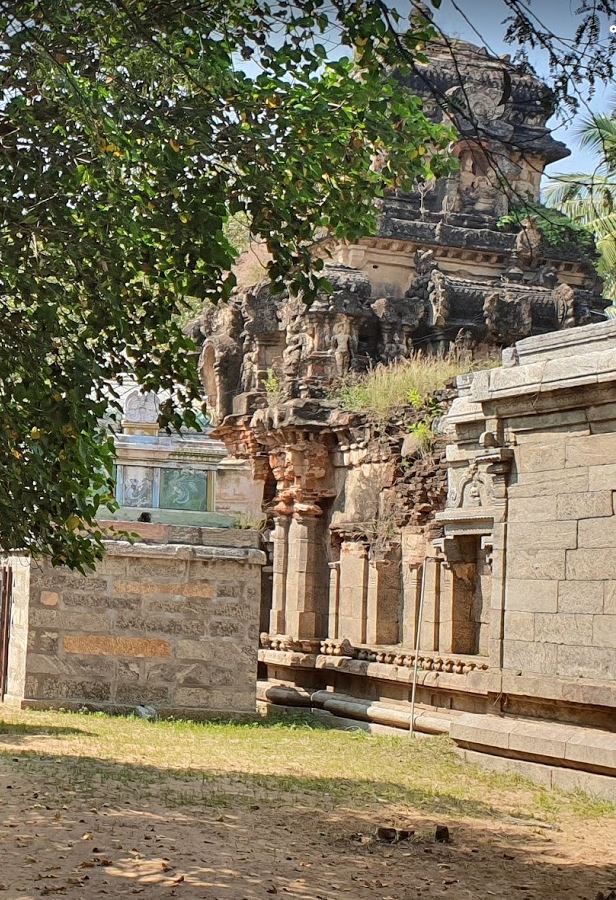
Agatheeswarar Temple, Karur
Agatheeswarar Temple in Thirumukkudalur, Karur district, is an ancient Hindu shrine dedicated to Shiva, situated at the sacred confluence of three rivers and believed to be over 1000 years old.
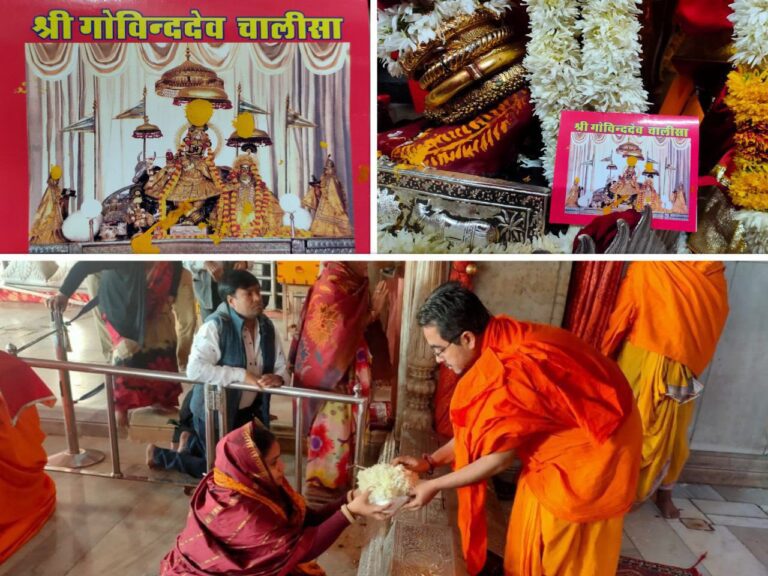
Kalyanji Temple
Kalyanji Temple in Jaipur's Chandpol Bazaar is an ancient Krishna shrine established in the 1820s, renowned for its seven daily aartis and special avatar darshan ceremonies during Akha Teej and Patottsav festivals.
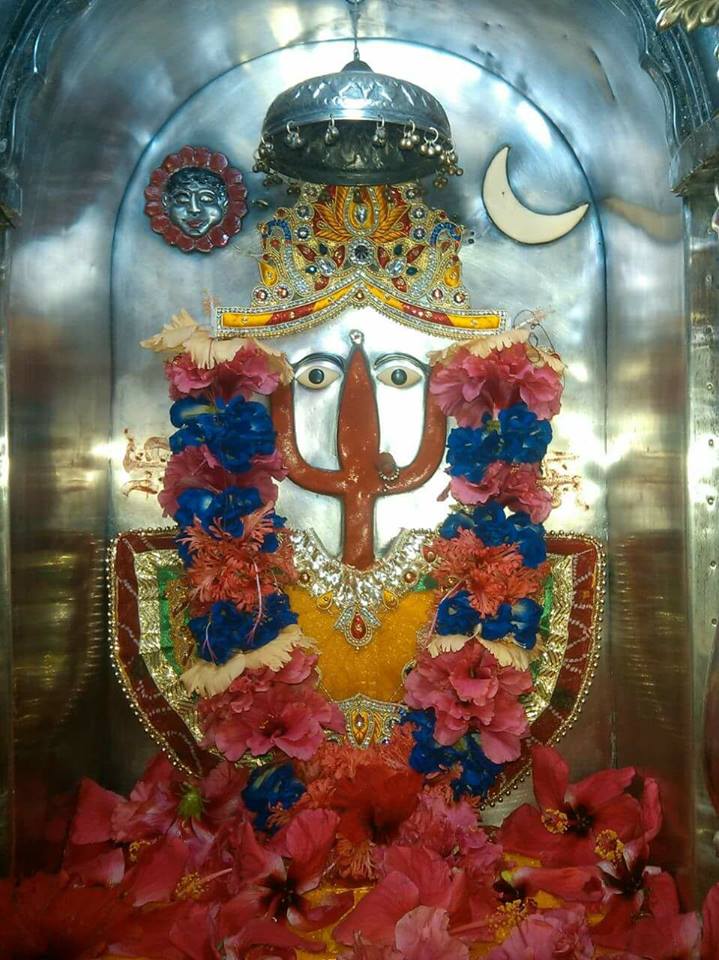
Rani Sati Mandir Mahuda
Rani Sati Mandir in Mahuda, Dhanbad District, is a Hindu temple established in 1992 that serves as a spiritual center for the local community and attracts devotees seeking blessings.