Irumbai Mahaleswarar Temple
About Irumbai Mahaleswarar Temple
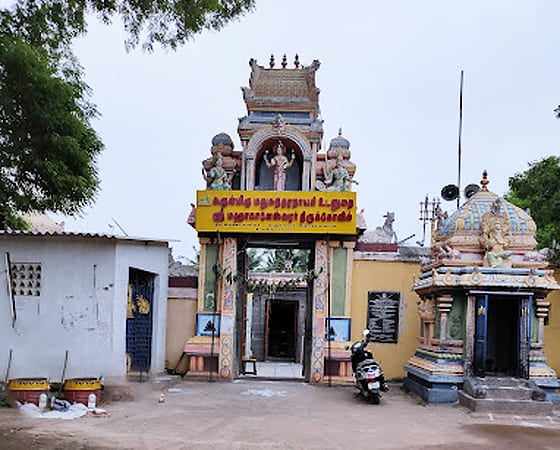
The temple was established in the 7th century under the patronage of Chola King Kulothungan III. Its architecture follows the Dravidian style characteristic of the Chola period, with structural elements and sculptural details reflecting the craftsmanship of that era. The sanctum houses the three-faced form of Mahakaleshwar, representing the Trimurti—Brahma, Vishnu, and Shiva. A copper plate covers these three faces, beneath which the daily worship rituals are performed.
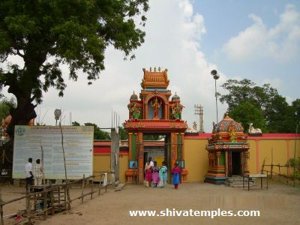
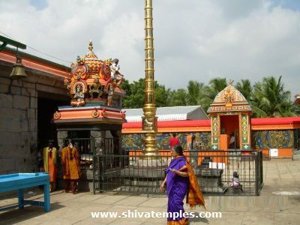
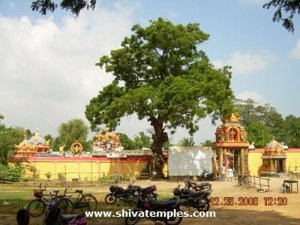
Beyond the main deity, the temple complex contains multiple shrines. Sundara Ganapathi occupies a separate shrine, while Natarajar with his consort Sivakami, Murugan with his six faces and consorts Valli and Deivanai, Dakshinamurthy, Lingothbavar, Brahma, Durga, Chandikeswarar, and Kalabairavar each have their own sacred spaces. The Navagraha shrine is notable for housing all nine planets, each with their respective consorts. An outer cemented podium displays a Shiva Lingam adorned with a row of Rudraksha beads, while Anjaneya Swamy's idol rests beneath a Vilva tree.
The inner corridor walls feature intricate sculptures and reliefs that narrate the temple's foundational legend, serving as a visual record of sacred history.
The Legend of Kaduveli Siddhar
According to temple tradition, a devoted ascetic named Kaduveli Siddhar performed intense penance directed toward Shiva. The spiritual heat generated by his meditation became so severe that it parched the surrounding land, causing hardship to the villagers. Concerned for their welfare, the people sent a female dancer to interrupt his practice. After considerable effort, she succeeded in drawing him from meditation. As rain began to fall, she danced in gratitude to Shiva. The Siddhar then recognized that the dancer was none other than Shiva in human form.
When he bowed and touched her feet in reverence, onlookers criticized him for this gesture toward a woman. To vindicate his devotion and prove the truth of his spiritual insight, the Siddhar appealed to Shiva to reveal himself. In response, the Shiva Lingam within the sanctum shattered into countless pieces—a miraculous confirmation of his devotion and the authenticity of his vision. This narrative is preserved in the temple's sculptural program, making the complex a visual record of this sacred encounter. The saint Arunagirinadhar also composed hymns praising Murugan of this temple, recorded in his work Thiruppugazh.
Daily Darshan and Worship
The temple opens for darshan during two periods: morning hours from 7:00 to 12:00 and evening hours from 16:00 to 20:00. These timings may be extended on festival days. Visitors planning to attend special observances should confirm current timings with the temple office before traveling, as schedules may vary during significant celebrations.
The three-faced form of the presiding deity requires specific ritual protocols during worship. Devotees should be prepared to follow temple customs regarding dress and conduct, as is customary in Hindu temples of this tradition.
Auspicious Days and Festivals
Mondays hold particular significance for worship at this temple. Additionally, Pradosham days—observed on new moon and full moon dates—attract devotees seeking the deity's blessings. Three major festivals draw pilgrims: Maha Shivaratri, the night dedicated to Shiva; Karthigai Deepam, celebrated with oil lamps; and Kartik Purnima, observed on the full moon in the Kartik month. These occasions typically see extended darshan hours and special rituals.
Visitor Information
The temple is located at Irumbai Post, Vanur Taluk, Villupuram District, Tamil Nadu 605010. The coordinates are 12.009722222222°N, 79.787777777778°E. Visitors should plan their visit according to the published darshan timings and check ahead if traveling during festival periods. As with most Hindu temples, modest dress is appropriate. The temple office can provide guidance on specific rituals, donations, and any facilities available to pilgrims.
How to reach
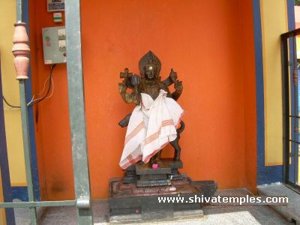
You may also visit
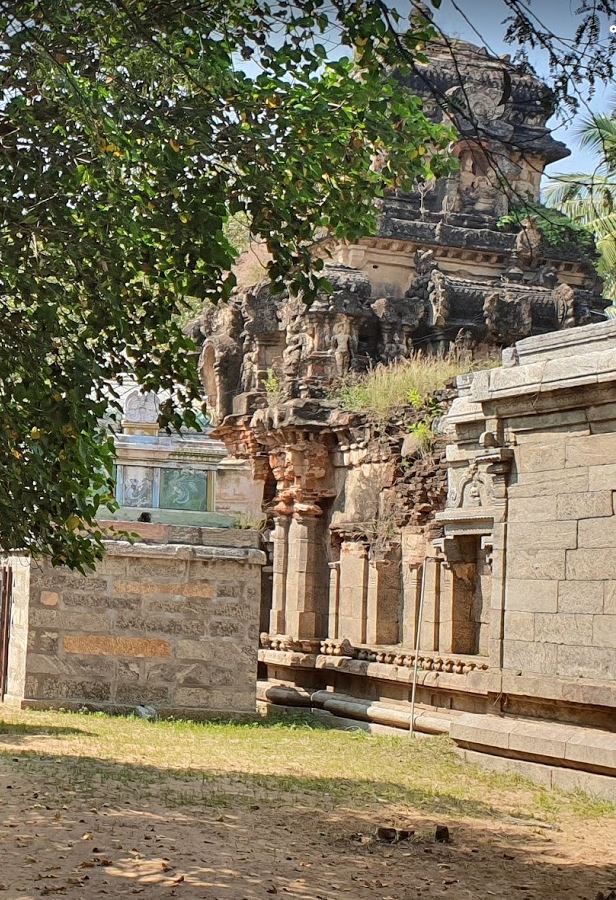
Agatheeswarar Temple, Karur
Agatheeswarar Temple in Thirumukkudalur, Karur district, is an ancient Hindu shrine dedicated to Shiva, situated at the sacred confluence of three rivers and believed to be over 1000 years old.
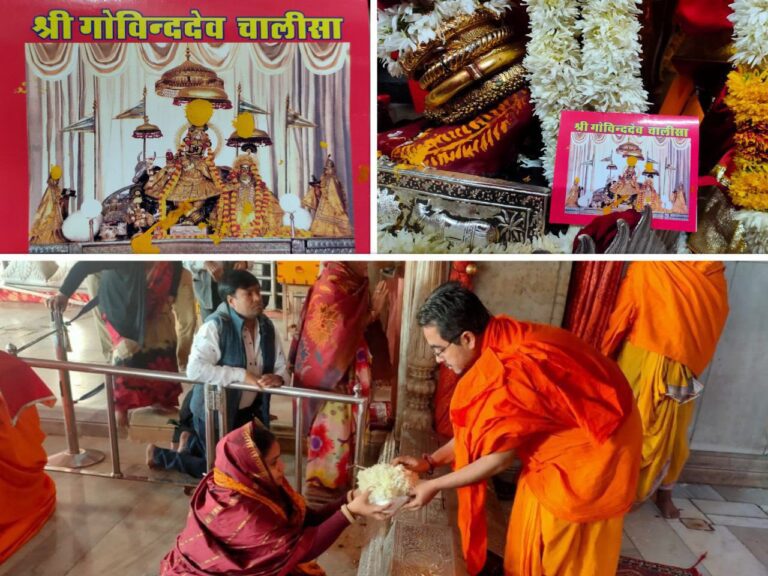
Kalyanji Temple
Kalyanji Temple in Jaipur's Chandpol Bazaar is an ancient Krishna shrine established in the 1820s, renowned for its seven daily aartis and special avatar darshan ceremonies during Akha Teej and Patottsav festivals.
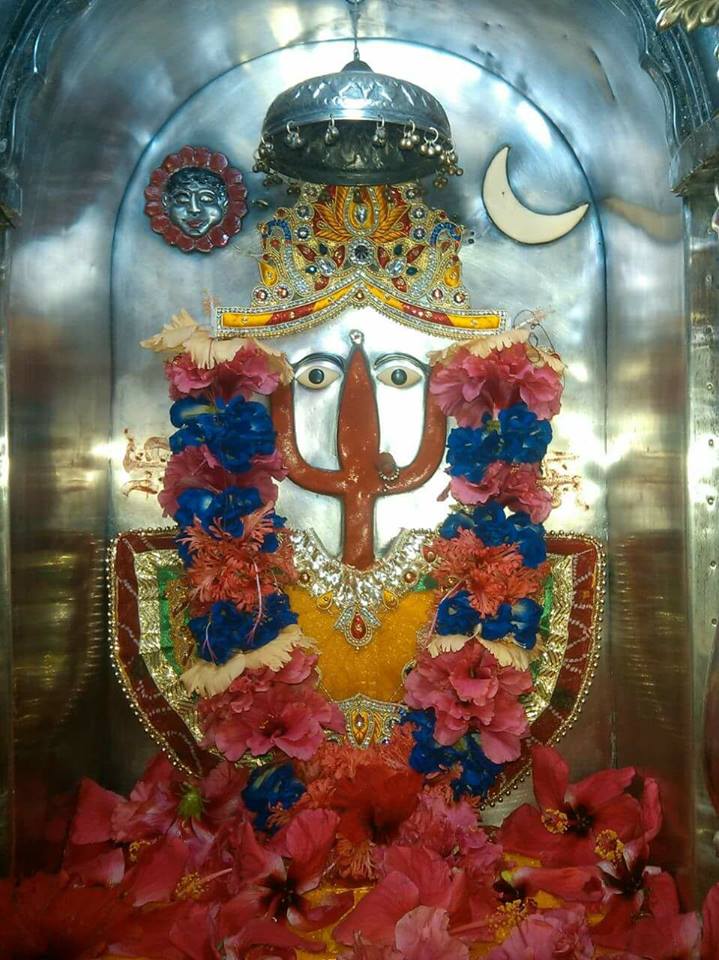
Rani Sati Mandir Mahuda
Rani Sati Mandir in Mahuda, Dhanbad District, is a Hindu temple established in 1992 that serves as a spiritual center for the local community and attracts devotees seeking blessings.