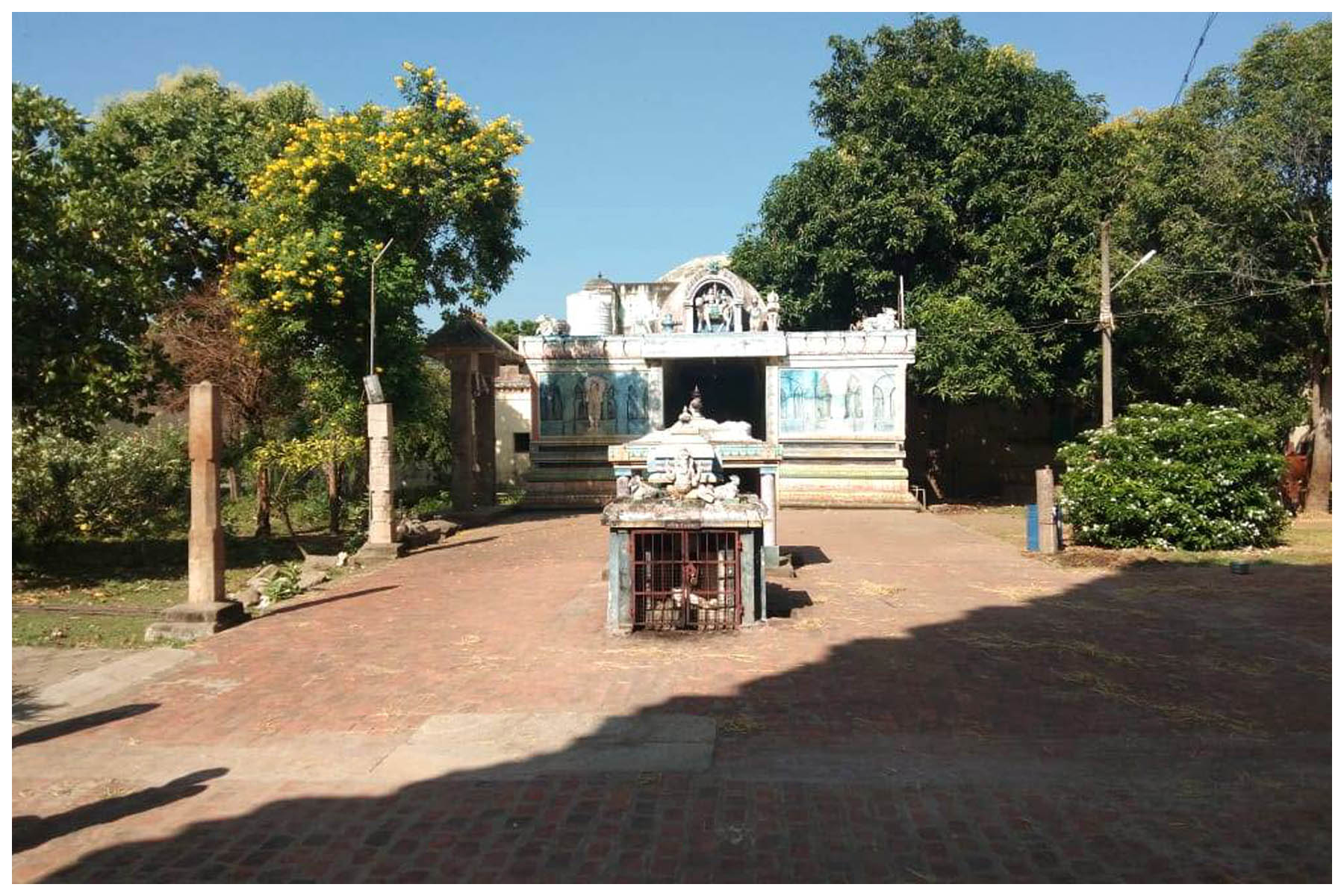
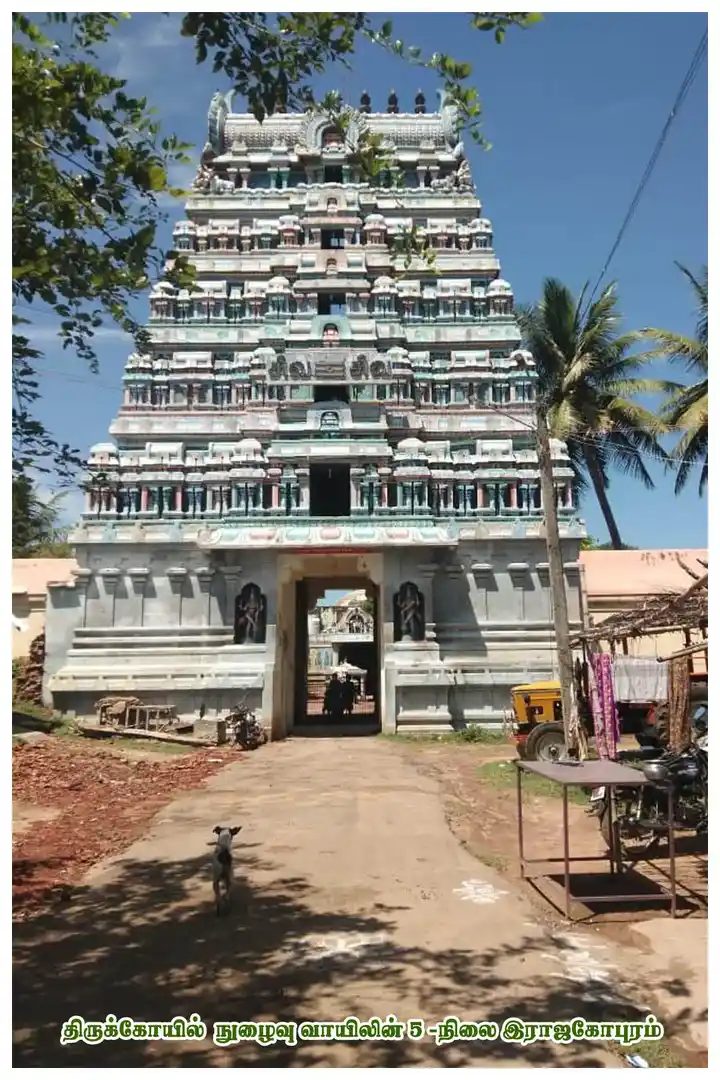
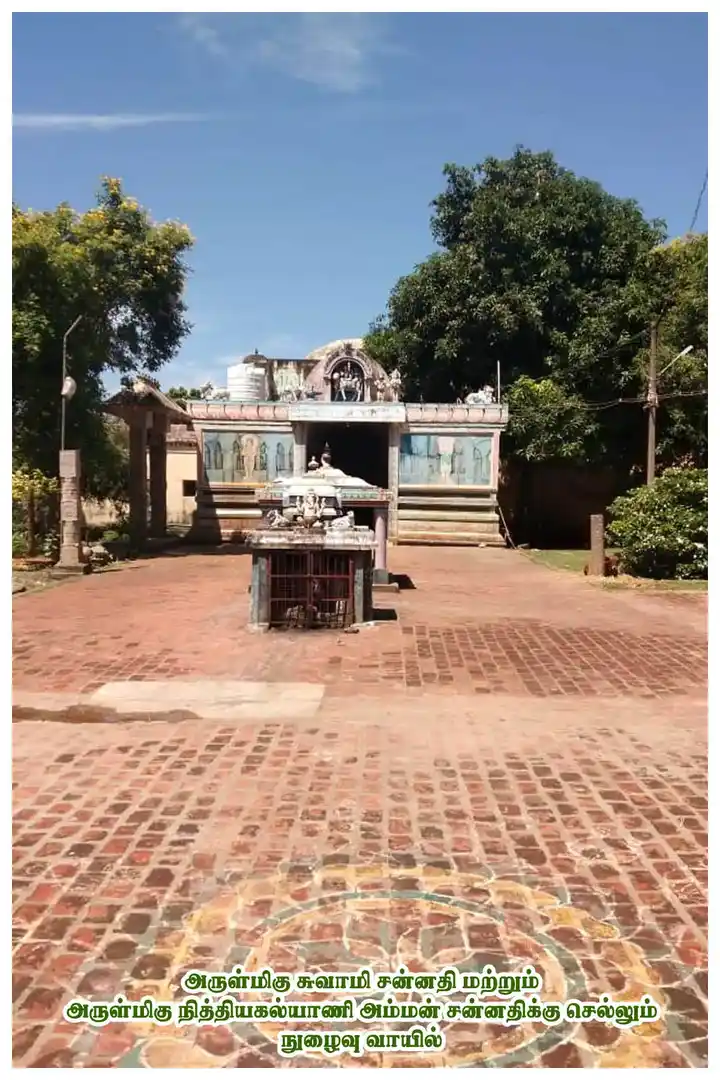
Innambur Ezhutharinathar Temple
About Innambur Ezhutharinathar Temple
The village of Innambur carries significance in its very name. According to local tradition, "Innan" refers to the sun, and the settlement was originally called Innan Nambur before becoming Innambur. This solar connection manifests physically during the Tamil month of Panguni, corresponding to March and April. On the 13th and 14th days of this month, the sun's rays fall directly upon the Lord in the sanctum—a phenomenon that draws devotees seeking the blessing of this celestial alignment.
The temple sits in the outskirts of Kumbakonam, a region historically significant in Tamil Shaivism. It lies approximately 2 kilometres north of Puliancheri on the Kumbakonam-Swamimalai road, positioning it within a landscape dotted with other temples of antiquity and spiritual importance.
Worship Practices and Blessings
The temple serves specific devotional purposes rooted in its spiritual character. Parents bring children in primary school to receive blessings for their education, a practice involving ritual marking on the child's tongue with flowers. For younger children in kindergarten, paddy is used instead. This custom reflects the temple's association with learning and intellectual development.
Women seeking marriage pray to Mother Nithya Kalyani, who is believed to grant blessings for suitable matches. Those desiring to remain unmarried seek the grace of Mother Sugantha Kundalambal. Devotees also bring prayers related to speech difficulties, particularly stammering. When wishes are fulfilled or efforts succeed, worshippers perform abhisheka—ritual bathing of the deity—and offer new garments as thanksgiving.
Festivals and Sacred Seasons
The temple observes several major festivals throughout the year. Purattasi Navarathri, celebrated in September and October, draws devotees who submit educational prayers for their children and seek blessings before school admissions. Margazhi Tiruvadhirai, observed in December and January, is another significant festival period. The temple also celebrates Chithirai Kodabishekam in April and May, Aipasi Annabishekam in October and November, and Shivrathri in March and April. During Navarathri, the temple becomes a focal point for families seeking academic advancement and those praying for relief from speech impediments.
Visiting Information
The temple opens at 6:00 a.m. and closes at noon, reopening at 4:00 p.m. until 8:00 p.m. The best times to visit are during the festival seasons of Purattasi Navarathri and Margazhi Tiruvadhirai, or in March and April to witness the solar alignment phenomenon. Visitors should dress modestly, as is customary in Hindu temples. Shoes are typically removed before entering the sanctum.
How to Reach
Innambur is accessible from Kumbakonam, the nearest major town. Town buses numbered 6 and 35 operate from Kumbakonam to Innambur. The nearest railway station is Kumbakonam, approximately 12 kilometres away. Tiruchirappalli Airport serves as the nearest air terminal. Accommodation options are available in Kumbakonam, including several hotels within the town.
For further information, contact the temple at +91 435 200 0157 or 8610244175. The temple's address is Sri Ezhutharinathar Temple, Sannathi Street, Innambur, Thanjavur district, Tamil Nadu 612303.
How to reach


You may also visit
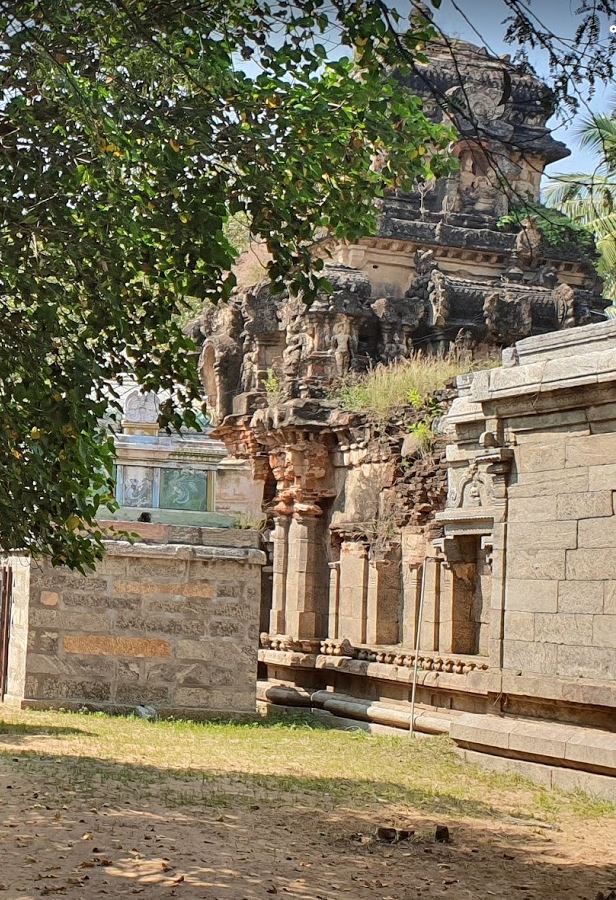
Agatheeswarar Temple, Karur
Agatheeswarar Temple in Thirumukkudalur, Karur district, is an ancient Hindu shrine dedicated to Shiva, situated at the sacred confluence of three rivers and believed to be over 1000 years old.
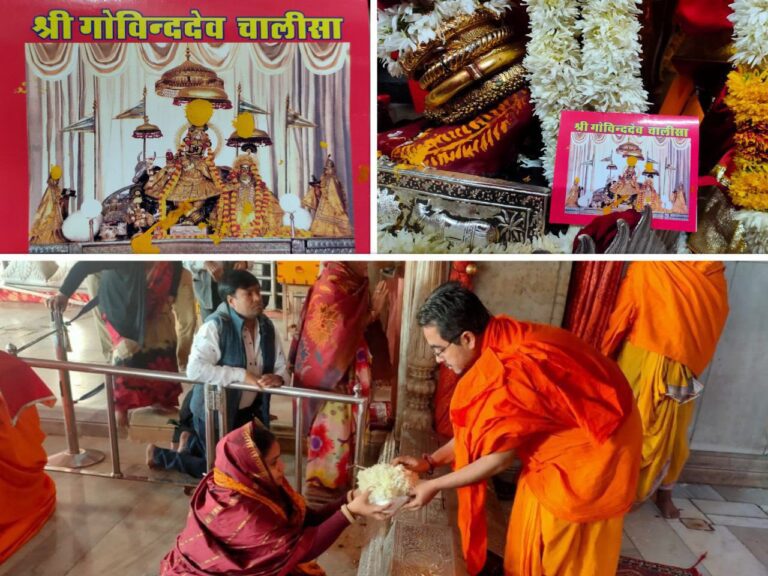
Kalyanji Temple
Kalyanji Temple in Jaipur's Chandpol Bazaar is an ancient Krishna shrine established in the 1820s, renowned for its seven daily aartis and special avatar darshan ceremonies during Akha Teej and Patottsav festivals.
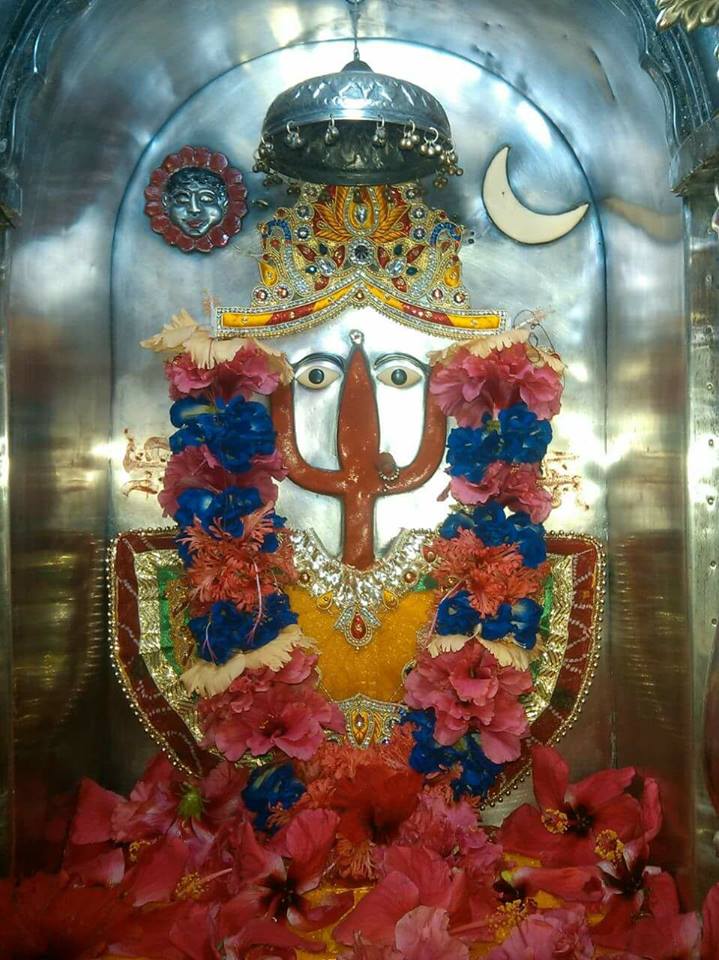
Rani Sati Mandir Mahuda
Rani Sati Mandir in Mahuda, Dhanbad District, is a Hindu temple established in 1992 that serves as a spiritual center for the local community and attracts devotees seeking blessings.