
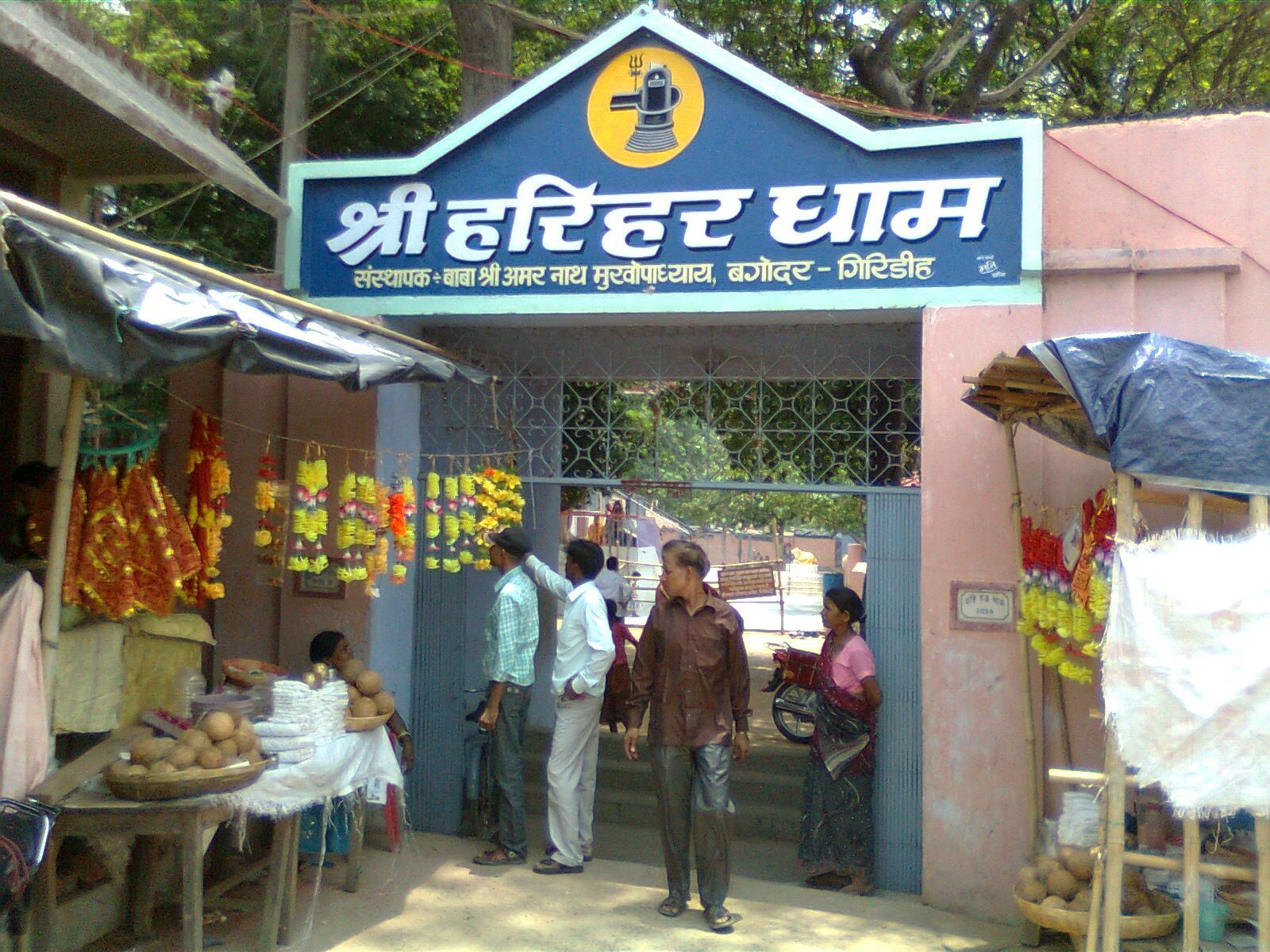

Harihar Dham
About Harihar Dham
The 65-foot Shivalinga forms the spiritual heart of Harihar Dham. In Hindu tradition, the Shivalinga represents the formless, infinite nature of Shiva—a symbol of both the transcendent and the immanent divine. Devotees circumambulate and offer prayers before this towering stone manifestation, which dominates the temple landscape and can be seen from considerable distances across the surrounding terrain.
The temple complex extends beyond the central Shivalinga, comprising multiple shrines and ritual spaces arranged across the grounds. The setting beside the Jamunia River adds to the sacred geography of the site, as flowing water holds spiritual significance in Hindu pilgrimage traditions. The overall design accommodates large gatherings of devotees, particularly during major festivals when crowds converge on the shrine.
Daily Darshan and Worship
The temple opens for darshan—the viewing and worship of the deity—from 4:00 AM to 7:00 PM each day. This extended schedule allows devotees to visit according to their own rhythms and circumstances, whether they prefer the quieter early morning hours or the busier afternoon periods. Visitors should confirm exact timings before travelling, as schedules may shift on festival days or during special observances.
Temples dedicated to Shiva typically maintain daily rituals honouring the deity, though the sources do not specify the particular aarti times or ritual sequences observed at Harihar Dham. Devotees are advised to arrive with sufficient time to complete their prayers and circumambulation without rushing, particularly during peak visiting hours.
Festivals and Auspicious Occasions
Harihar Dham draws its largest and most devoted crowds during two major festivals: Shravan Poornima and Shivaratri. Shravan Poornima, the full moon in the Hindu month of Shravan (typically July or August), holds special significance for Shiva worship. Shivaratri, the night dedicated to Shiva that falls in late winter, transforms the temple into a centre of intense devotional activity. During these festivals, the temple complex becomes beautifully decorated, and the spiritual atmosphere intensifies as pilgrims from across India gather to offer their prayers.
The monsoon season, particularly July and August, represents the optimal time for visiting if one wishes to experience the temple amid favourable weather and the heightened spiritual energy of Shravan Poornima. Beyond these major observances, the temple also hosts celebrations for other Hindu festivals including Holi, Guru Purnima, and Raksha Bandhan, maintaining its role as an active centre of worship throughout the year.
Visiting Information and Practical Details
Harihar Dham is located at Bagodar in Giridih District, Jharkhand, with the postal code 815301. The temple's coordinates are 24.07°N, 85.82°E, which can be entered into mapping applications for precise navigation. The site lies near the Grand Trunk Road, facilitating access by vehicle from surrounding towns and cities.
Visitors should dress modestly and respectfully, as is customary at Hindu temples. Shoes are typically removed before entering the inner sanctum. The temple complex also functions as a venue for Hindu wedding ceremonies, indicating that it possesses facilities to accommodate significant gatherings. Specific information about amenities, accommodation, or food services at or near the temple is not detailed in available sources, so visitors are advised to contact the temple directly or consult local resources before arrival.
How to Reach Harihar Dham
The temple is situated approximately 60 kilometres southwest of Giridih town, positioned conveniently near the Grand Trunk Road. This location makes it accessible by road for those travelling through Jharkhand. Visitors arriving by vehicle can use the temple's coordinates (24.0700°N, 85.8211°E) with GPS or mapping applications to navigate directly to the site. Those relying on public transport should plan their journey through Giridih, from which local transport options can carry them to Bagodar. The proximity to a major highway suggests that the temple is reasonably well-connected to the regional road network, though journey times and transport availability should be confirmed before departure.
How to reach


You may also visit
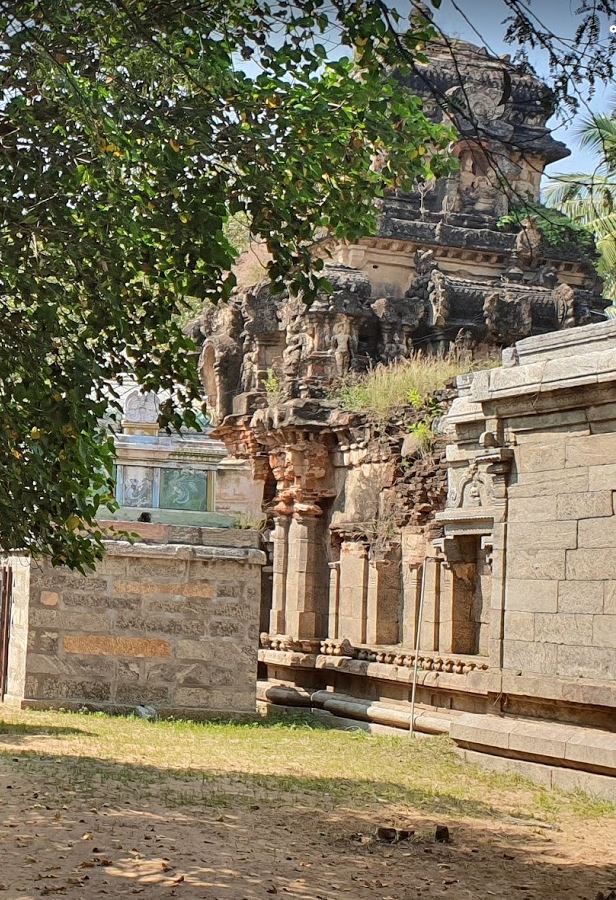
Agatheeswarar Temple, Karur
Agatheeswarar Temple in Thirumukkudalur, Karur district, is an ancient Hindu shrine dedicated to Shiva, situated at the sacred confluence of three rivers and believed to be over 1000 years old.
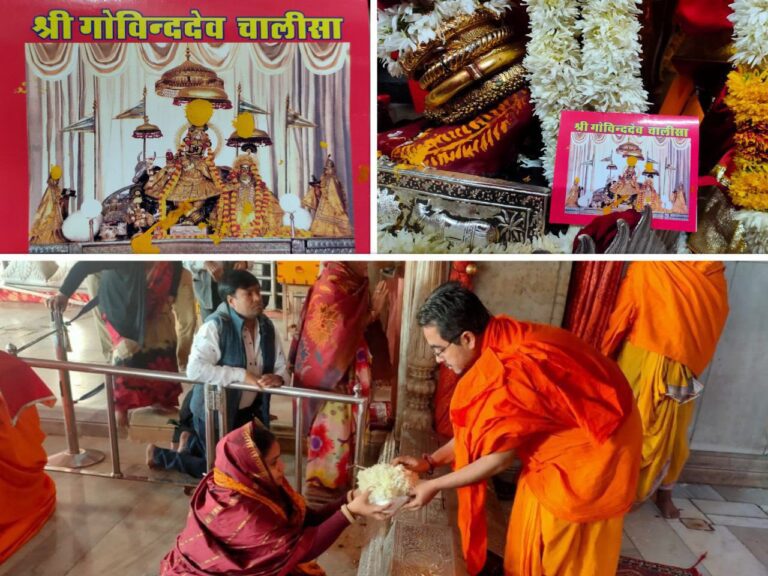
Kalyanji Temple
Kalyanji Temple in Jaipur's Chandpol Bazaar is an ancient Krishna shrine established in the 1820s, renowned for its seven daily aartis and special avatar darshan ceremonies during Akha Teej and Patottsav festivals.
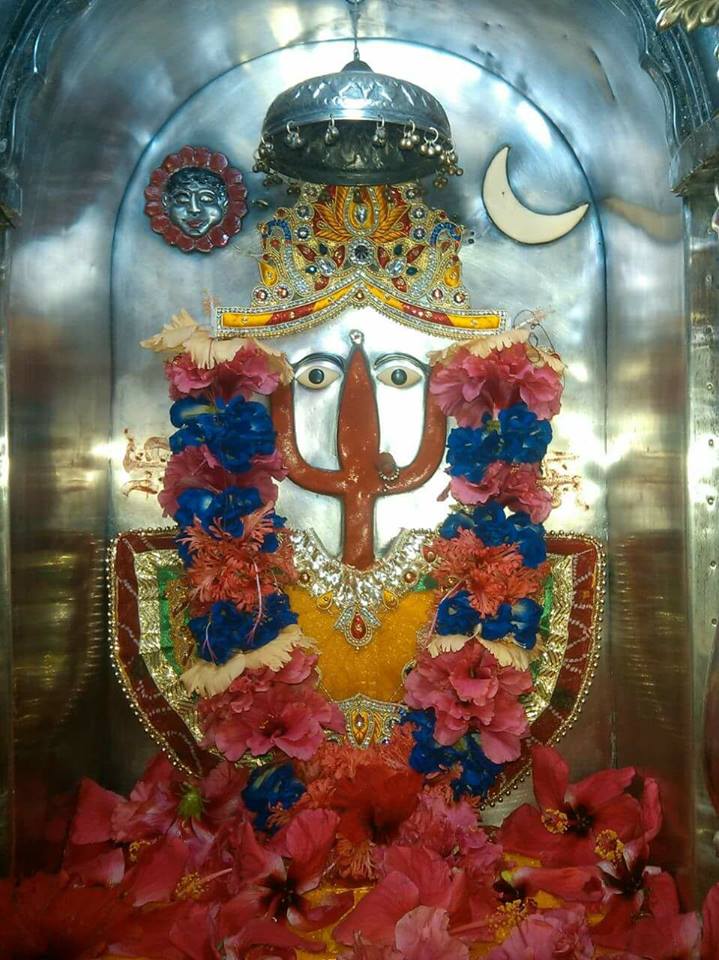
Rani Sati Mandir Mahuda
Rani Sati Mandir in Mahuda, Dhanbad District, is a Hindu temple established in 1992 that serves as a spiritual center for the local community and attracts devotees seeking blessings.