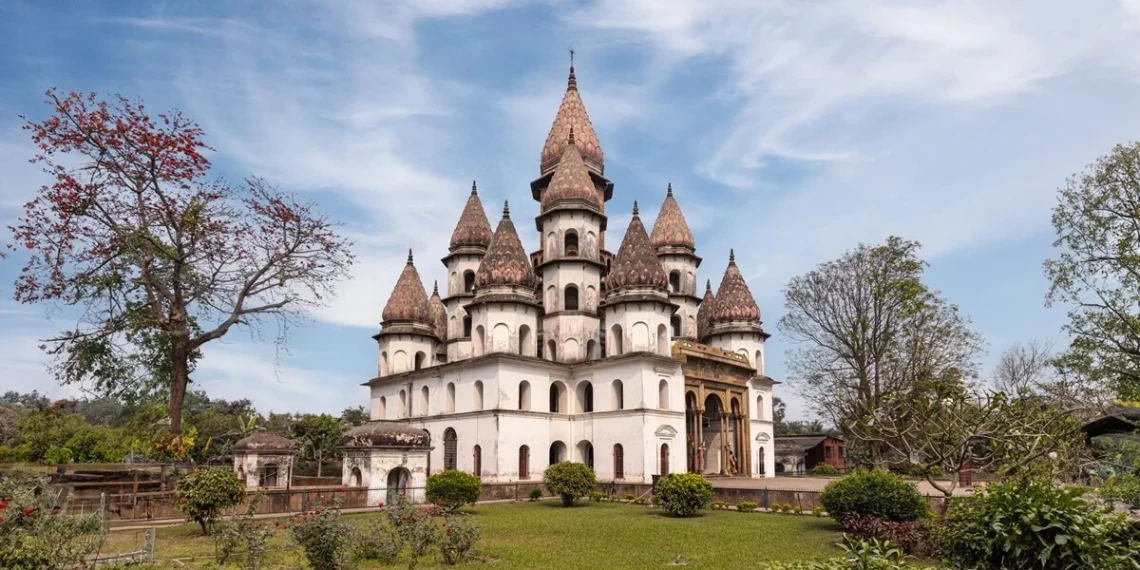
Hangseshwari Temple
About Hangseshwari Temple
The temple's foundation was laid in December 1799 by Raja Nrisinhadeb Roy Mahasay, who had spent years studying Kundalini and chakra philosophy in Varanasi before undertaking this ambitious project. Stone was sourced from Chunar for the construction, but the Raja's death in 1802, after the second storey was completed, left the work unfinished. His widow, Rani Sankari, took up the task and completed the temple in 1814, an inscription in Sanskrit at the entrance marking this achievement. The temple has been managed by a trust since its completion, and the 2-acre complex now includes two other shrines: the Ananta Basudeba Temple, built in 1679 by Rameshwar Ray, and the Swanbhaba Kali Temple nearby.
Architecture as Sacred Geometry
The main temple rises 27.5 metres in a distinctive five-storey structure crowned with thirteen lotus-bud shaped towers—a ratna design unique to Bengal's architectural tradition. Built from Chunar stone and brick, the central shrine measures 10 metres by 10 metres and embodies tantric principles through its physical form. The five storeys correspond to five primary energy channels in tantric philosophy: Bajraksha, Ira, Chitrini, Pingala, and Sushumna. Narrow tunnels connect the inner sanctum to the domes above, symbolizing the network of subtle nerves in the human body according to tantric anatomy. The entrance features a triple-arched gateway, 6 metres wide, decorated with floral carvings. The Ananta Basudeba Temple adjacent to the main shrine is octagonal, spanning 8 metres by 8 metres, and displays terracotta panels depicting scenes from the Ramayana and Krishna's life.
The sanctum houses a 3-foot idol of Hangseshwari carved from blue neem wood, depicted in yogic pose with four arms, holding a sword and a demon's head, with hands positioned in Abhaya (fearlessness) and Varada (blessing) mudras. The figure stands upon a lotus said to emerge from Shiva's navel. An upper floor contains a white marble Shiva, with twelve smaller Shiva forms positioned beneath the other minarets. The main shrine's walls display ten terracotta panels, each measuring 0.8 metres by 0.4 metres and painted in red.
Daily Worship and Darshan
The temple opens for darshan throughout the day, with the evening Aarti performed at 5:00 PM—the primary ritual moment for visitors to witness. Devotees may offer flowers and vermillion (sindoor) to the goddess, typically with guidance from temple priests; such offerings generally involve a donation of ₹100–500. The atmosphere during evening worship draws both local devotees and pilgrims, though the temple remains accessible for quieter darshan outside peak hours. Visitors should dress modestly, covering shoulders and knees, as is customary in Hindu temples. Shoes are removed before entering the sanctum.
Kali Puja and the Festival Season
The temple draws thousands of devotees during Kali Puja, observed in October–November according to the lunar calendar. This is the major festival at the site, when worship intensifies and the temple complex fills with pilgrims. Those seeking a more contemplative experience should visit outside this peak season, when darshan is quieter and the temple's architecture and sculptures can be observed without crowds.
Visiting Practicalities
Hangseshwari Temple is located in Bansberia, approximately 10 kilometres from Hooghly town in West Bengal's Hooghly District. The coordinates are 22.96431944, 88.39980833. There is no recorded entry fee. The evening Aarti at 5:00 PM is the main daily ritual; visitors should confirm current opening hours locally, as timings may vary seasonally. The adjacent Ananta Basudeba Temple, 200 metres away, offers free entry and displays its own terracotta sculptures. The Swanbhaba Kali Temple lies a further 300 metres from the main shrine. Visitors should allow time to explore the 2-acre complex and appreciate both the architectural detail and the spiritual atmosphere of this significant Shakta pilgrimage site.
How to reach
You may also visit
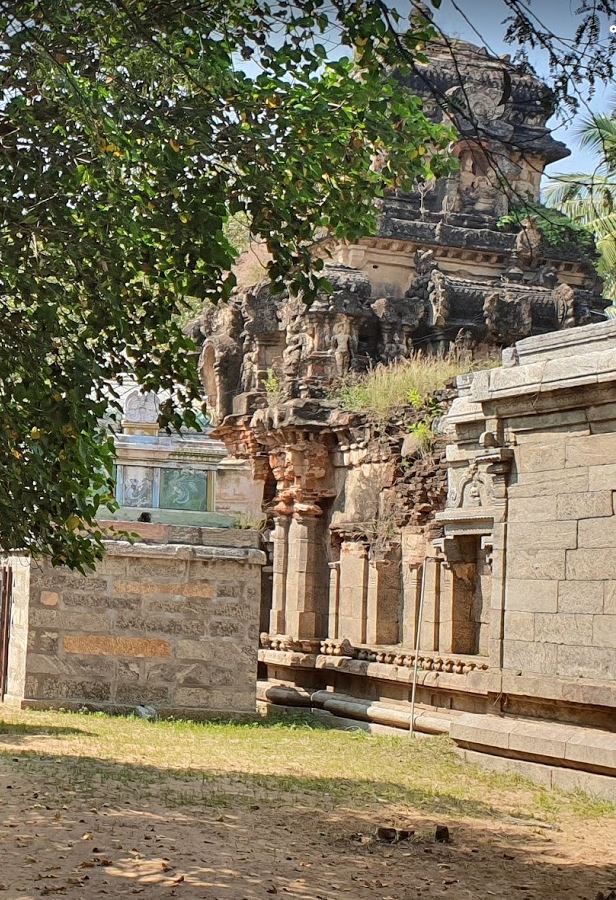
Agatheeswarar Temple, Karur
Agatheeswarar Temple in Thirumukkudalur, Karur district, is an ancient Hindu shrine dedicated to Shiva, situated at the sacred confluence of three rivers and believed to be over 1000 years old.
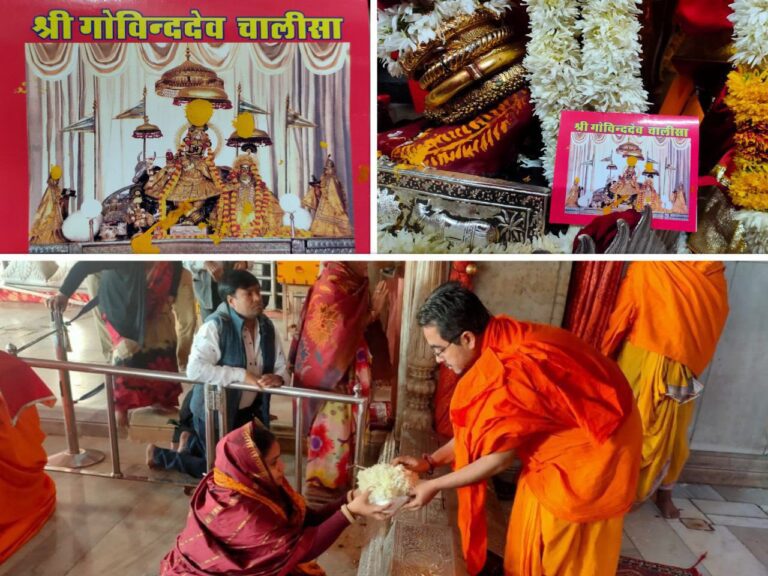
Kalyanji Temple
Kalyanji Temple in Jaipur's Chandpol Bazaar is an ancient Krishna shrine established in the 1820s, renowned for its seven daily aartis and special avatar darshan ceremonies during Akha Teej and Patottsav festivals.
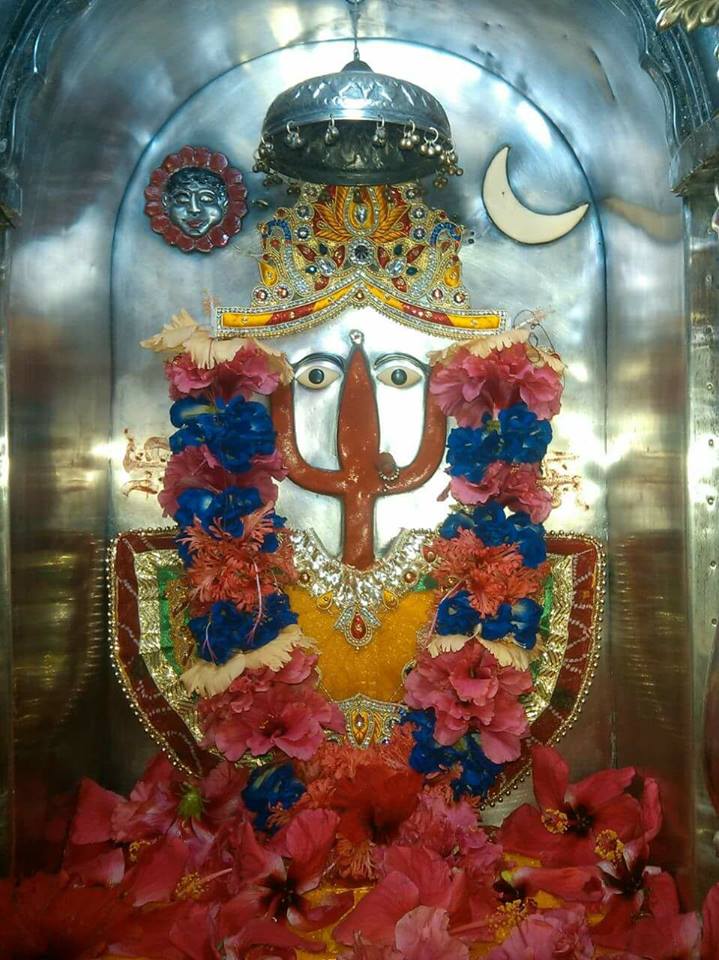
Rani Sati Mandir Mahuda
Rani Sati Mandir in Mahuda, Dhanbad District, is a Hindu temple established in 1992 that serves as a spiritual center for the local community and attracts devotees seeking blessings.