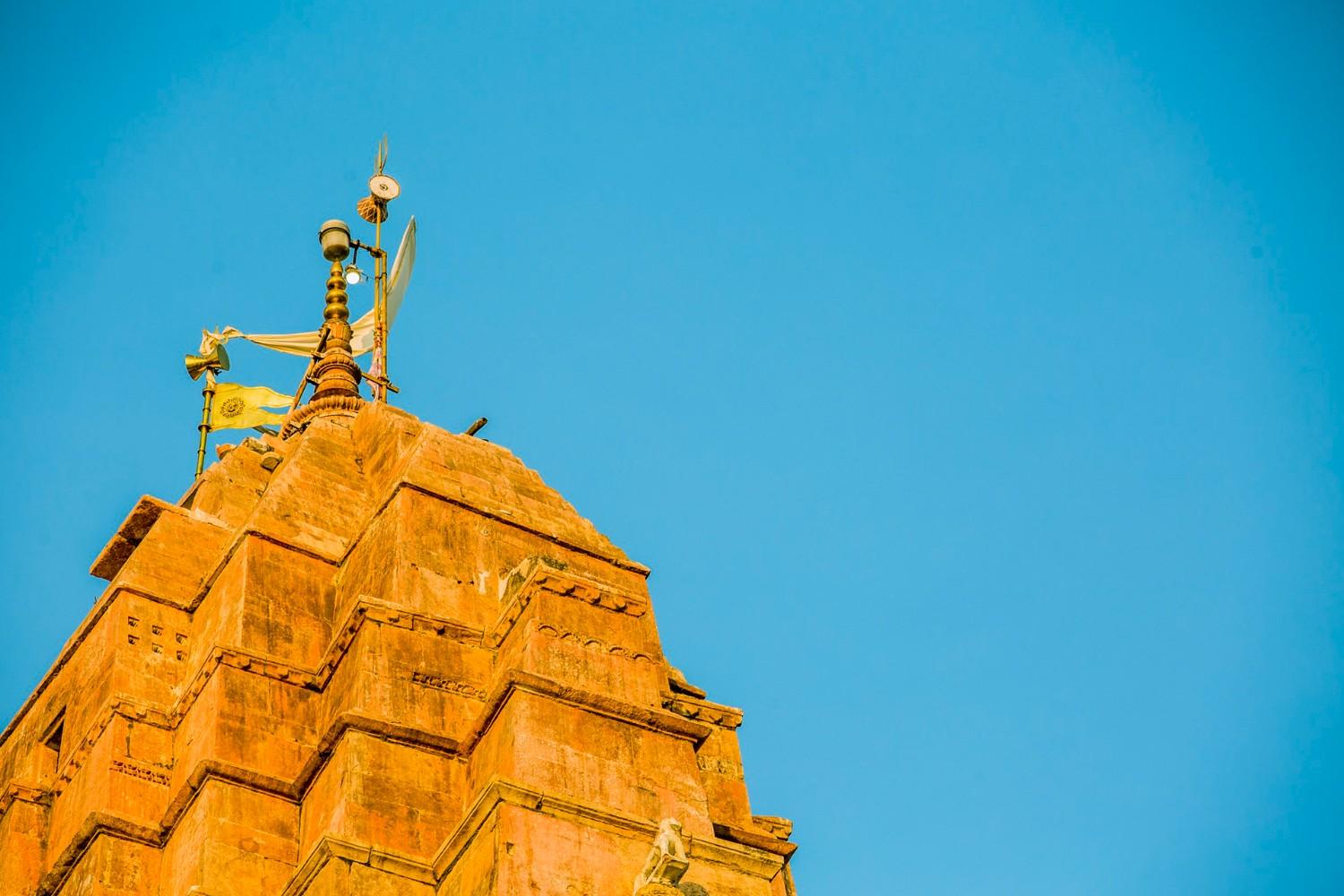
Goan temple
About Goan temple
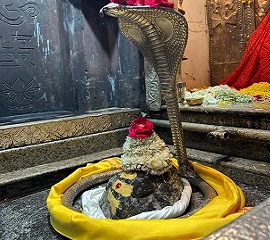
The temple operates daily from 05:30 to 21:30, accommodating both early morning and evening visits. A distinctive feature of worship here is the Shayan Darshan—the ritual viewing of Shiva in a resting state. According to temple sources, it is believed that Shiva traverses the three worlds daily and comes to rest at Omkareshwar, making special sleeping arrangements and rituals a unique aspect of devotion at this site. This practice sets Omkareshwar apart from other Jyotirlinga temples and reflects a particular theological understanding of the deity's relationship to this location.
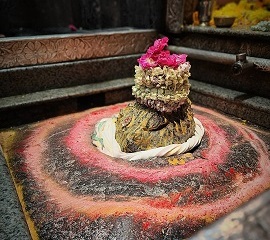
Visitors can engage with multiple forms of ritual participation. The Abhishek Pujan involves ritual bathing of the Shivling with sacred substances. Other pujas address specific spiritual needs: Partheshwar Pujan, Navgraha Shanti (for astrological concerns), Kalsarp Dosh Puja (for particular astrological configurations), and Maha Mrityunjaya recitation. The Narmada Pujan honours the river itself, acknowledging its sacred role in the landscape. For those unable to visit in person, the temple offers E-Aradhana, allowing remote participation in pujas performed by temple priests via live video, with prasad (blessed food) subsequently sent to the devotee's home address.
The Prasadalaya distributes Mahaprasad—blessed food offerings first presented to the deity—including traditional laddus. This prasad can also be ordered for home delivery, extending the temple's reach beyond those who can make the pilgrimage in person.
The Sacred Landscape and Parikrama
The Omkar Parvat Parikrama—a circumambulation of the sacred mountain—forms a central devotional practice at this site. This approximately seven-kilometre walk around Mandhata Parvat allows pilgrims to encounter ancient shrines including Siddhanath Baradari and the statue of Adi Shankaracharya at Ekatm Dham. The parikrama integrates the natural topography into worship, transforming the landscape itself into a path of spiritual engagement. The temple provides guided services to make this journey safe, comfortable, and informative.
The Narmada River's presence throughout the complex reinforces the interconnection between water, landscape, and spiritual practice characteristic of this location. The river's role in Hindu cosmology and its specific significance to Shiva worship make its proximity integral to the temple's spiritual geography rather than merely incidental.
Visiting Information and Facilities
The temple is best visited between October and March, when weather conditions are most favourable for pilgrimage. Daily timings are 05:30 to 21:30. The temple complex offers several facilities for visitors: accommodation through the Vishramalaya, dining at the Prasadalaya, parking, wheelchair access, and wristband distribution points for organized darshan. Medical facilities are available on site. For those seeking aerial access, helicopter rides can be arranged.
Visitors should dress modestly, as is customary at Hindu temples. The temple follows standard protocols for temple etiquette: removal of footwear before entering the sanctum, circumambulation in a clockwise direction, and respectful behaviour during aarti (ritual worship with lights) and other ceremonies. Specific dress codes or restrictions beyond general temple practice are not detailed in available sources.
How to Reach Omkareshwar
The temple is located on the northern bank of the Narmada River in Madhya Pradesh, approximately 77 kilometres from Indore. Detailed directions and transportation options can be obtained through the official temple website (shriomkareshwar.org) or by contacting the temple helpline. The site provides information on reaching the temple by various means, though specific routes and transport details are best confirmed directly with the temple administration.
How to reach


You may also visit
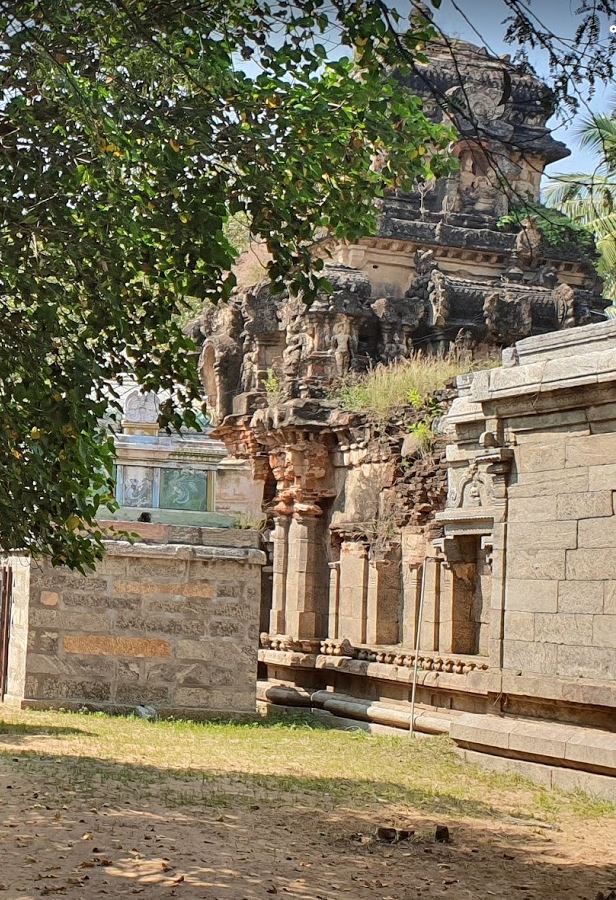
Agatheeswarar Temple, Karur
Agatheeswarar Temple in Thirumukkudalur, Karur district, is an ancient Hindu shrine dedicated to Shiva, situated at the sacred confluence of three rivers and believed to be over 1000 years old.
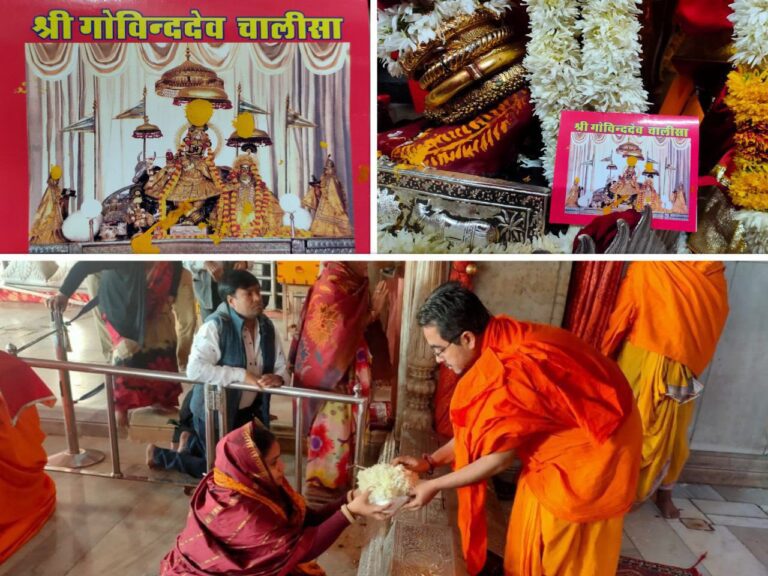
Kalyanji Temple
Kalyanji Temple in Jaipur's Chandpol Bazaar is an ancient Krishna shrine established in the 1820s, renowned for its seven daily aartis and special avatar darshan ceremonies during Akha Teej and Patottsav festivals.
Rani Sati Mandir Mahuda
Rani Sati Mandir in Mahuda, Dhanbad District, is a Hindu temple established in 1992 that serves as a spiritual center for the local community and attracts devotees seeking blessings.