
Dharmasthala Temple
About Dharmasthala Temple
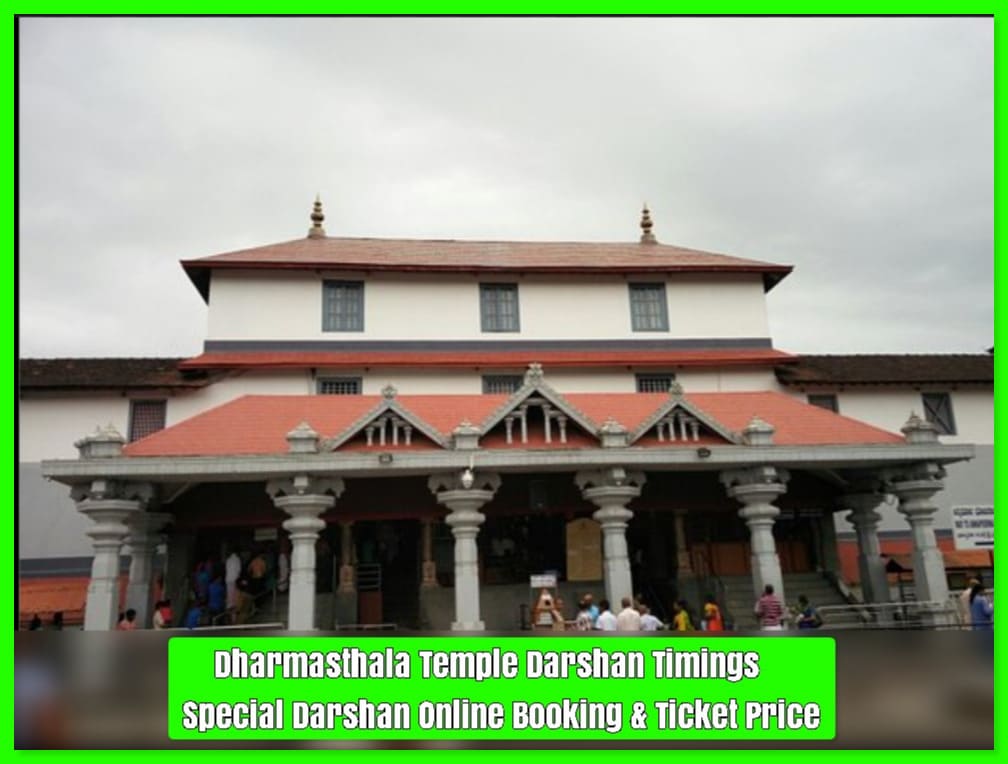
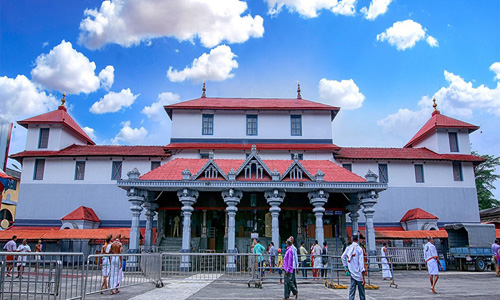
The temple's origins trace to the 1200s, making it approximately 800 years old. A significant moment in its documented history came in the 16th century when the Hindu Dvaita saint Vadiraja Tirtha reconsecrated the temple at the request of Devaraja Heggade, then the temple's administrator. This reconsecration marked an important spiritual renewal and helped establish the temple's enduring religious authority. The Heggade family has continued the administrative legacy, with the current Pattadhikari (chief administrator) Dr. D. Veerendra Heggade overseeing not only the temple but also extensive charitable and social welfare institutions associated with it.
Beyond its religious functions, Dharmasthala has evolved into a charitable institution. The temple and its affiliated organizations operate educational programs, healthcare services, rural development initiatives, and support for self-employment—work that extends the temple's spiritual mission into practical community service.
Daily Worship and Darshan
The temple gates open at 4:00 am each day, though visitor entry begins at 6:30 am after the completion of daily cleansing rituals. Darshan—the viewing of the deity—is available in three sessions: morning from 6:30 to 11:00 am, afternoon from 12:15 to 2:30 pm, and evening from 5:00 to 8:30 pm. The temple remains open until 8:30 pm daily. Two aartis (ritual offerings of light) are performed each day: one at 10:00 am and another at 7:00 pm, marking moments of heightened spiritual activity when devotees gather to witness the ceremonial worship.
The morning session is the most popular time for darshan, as it follows the temple's principal rituals and allows visitors to experience the temple in its most active spiritual state. Those planning their visit should note that the temple observes intermittent closures during major pujas, so checking ahead is advisable for specific dates.
Festivals and Seasonal Gatherings
The temple hosts significant festivals that draw both pilgrims and visitors. Laksha Deepotsava and Navratri are among the major observances mentioned in temple records, with these festivals attracting substantial gatherings. The temple also celebrates occasions related to Jain traditions, including observances connected to Lord Bahubali. Beyond these named festivals, the temple maintains an active calendar of religious and cultural events throughout the year.
The period from October to February offers the most pleasant weather for visiting, making these months ideal for travel to Dharmasthala. During festival seasons, the temple experiences increased crowds, which can affect the ease of darshan but also creates an atmosphere of collective devotion.
Practical Information for Visitors
Dharmasthala is located in Dakshina Kannada district, Karnataka, at coordinates 12.96012, 75.37836. The official address is Shree Kshetra Dharmasthala, Dakshina Kannada, Karnataka 574216. The temple office operates from 9:30 am to 2:00 pm in the morning and 4:00 pm to 9:00 pm in the evening. For inquiries, the helpline is 08256-266666 and the office number is 08256-266655.
Accommodation is available through the temple's official guest houses, which can be booked exclusively through the official website www.shridharmasthala.org. The temple administration has issued warnings about fraudulent booking websites and unauthorized phone or WhatsApp reservations, so direct booking through their official channels is essential. The temple also offers facilities for Tulabhara (ritual weighing ceremonies) and Annaprasadam (blessed food offerings), which can be arranged in advance through the official website.
The Sacred Landscape
The temple sits within a landscape of spiritual significance. The Nethravathi River, known locally as Shri Mudi, flows near the temple grounds and holds sacred importance in the site's religious geography. The temple complex includes a Jaina Basadi (Jain shrine) and a museum called Manjusha, reflecting the multi-faith character of the institution. Ratnagiri Hill, located within the temple premises, hosts a statue of Lord Bahubali and serves as a pilgrimage destination in its own right, particularly during Bahubali observances. Visitors interested in the broader cultural and heritage context will find several places of interest in and around Dharmasthala worth exploring during their visit.
How to reach

You may also visit
Agatheeswarar Temple, Karur
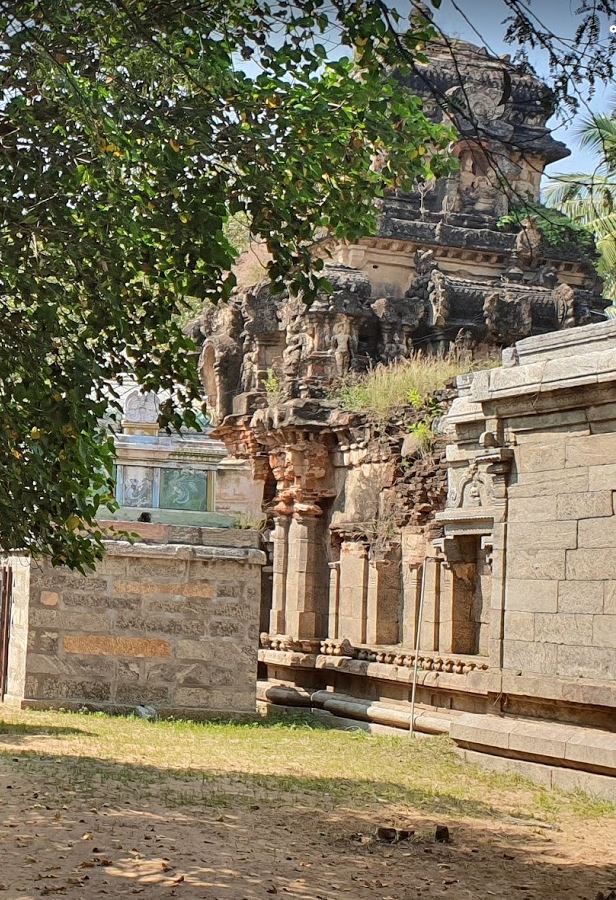
Agatheeswarar Temple in Thirumukkudalur, Karur district, is an ancient Hindu shrine dedicated to Shiva, situated at the sacred confluence of three rivers and believed to be over 1000 years old.
Kalyanji Temple
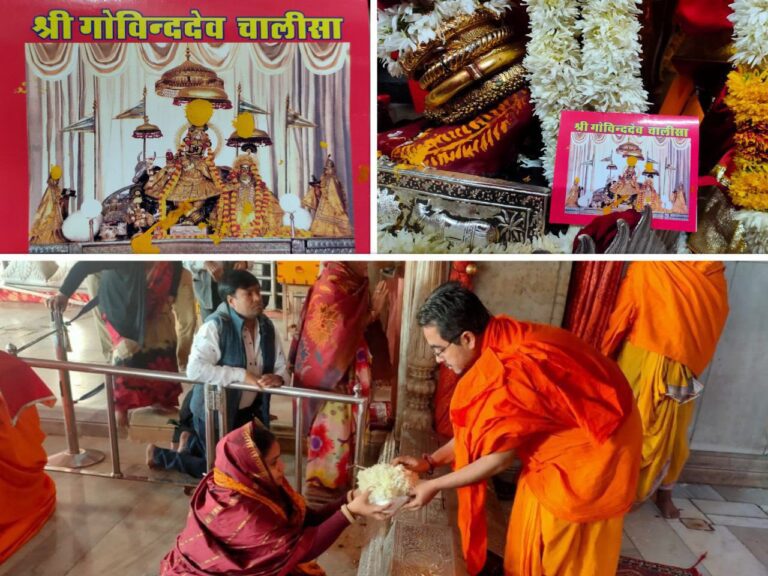
Kalyanji Temple in Jaipur's Chandpol Bazaar is an ancient Krishna shrine established in the 1820s, renowned for its seven daily aartis and special avatar darshan ceremonies during Akha Teej and Patottsav festivals.
Rani Sati Mandir Mahuda
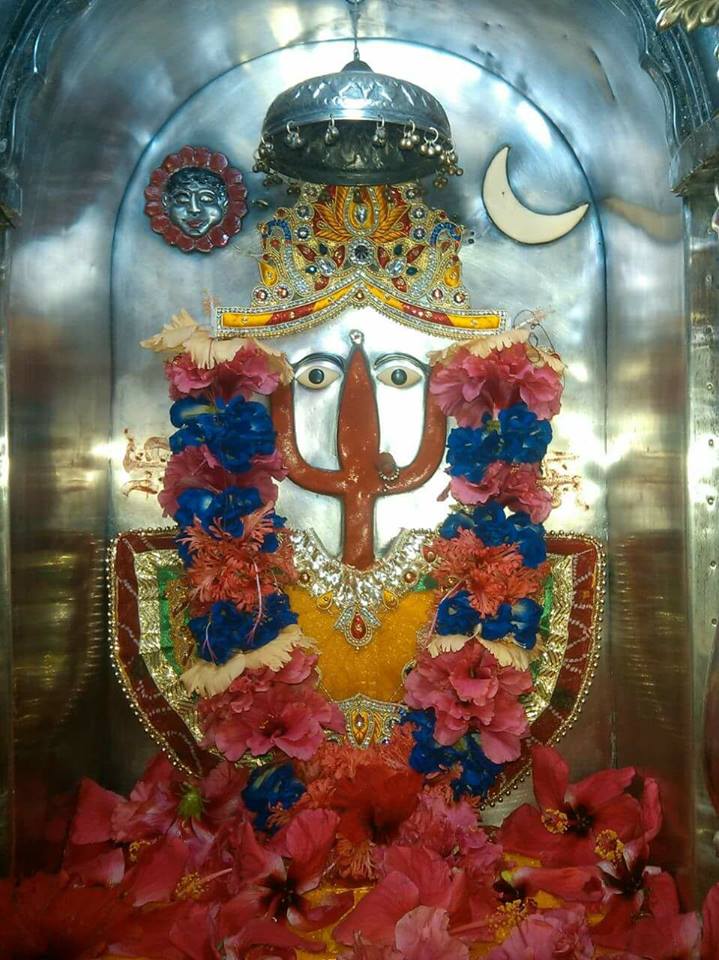
Rani Sati Mandir in Mahuda, Dhanbad District, is a Hindu temple established in 1992 that serves as a spiritual center for the local community and attracts devotees seeking blessings.