
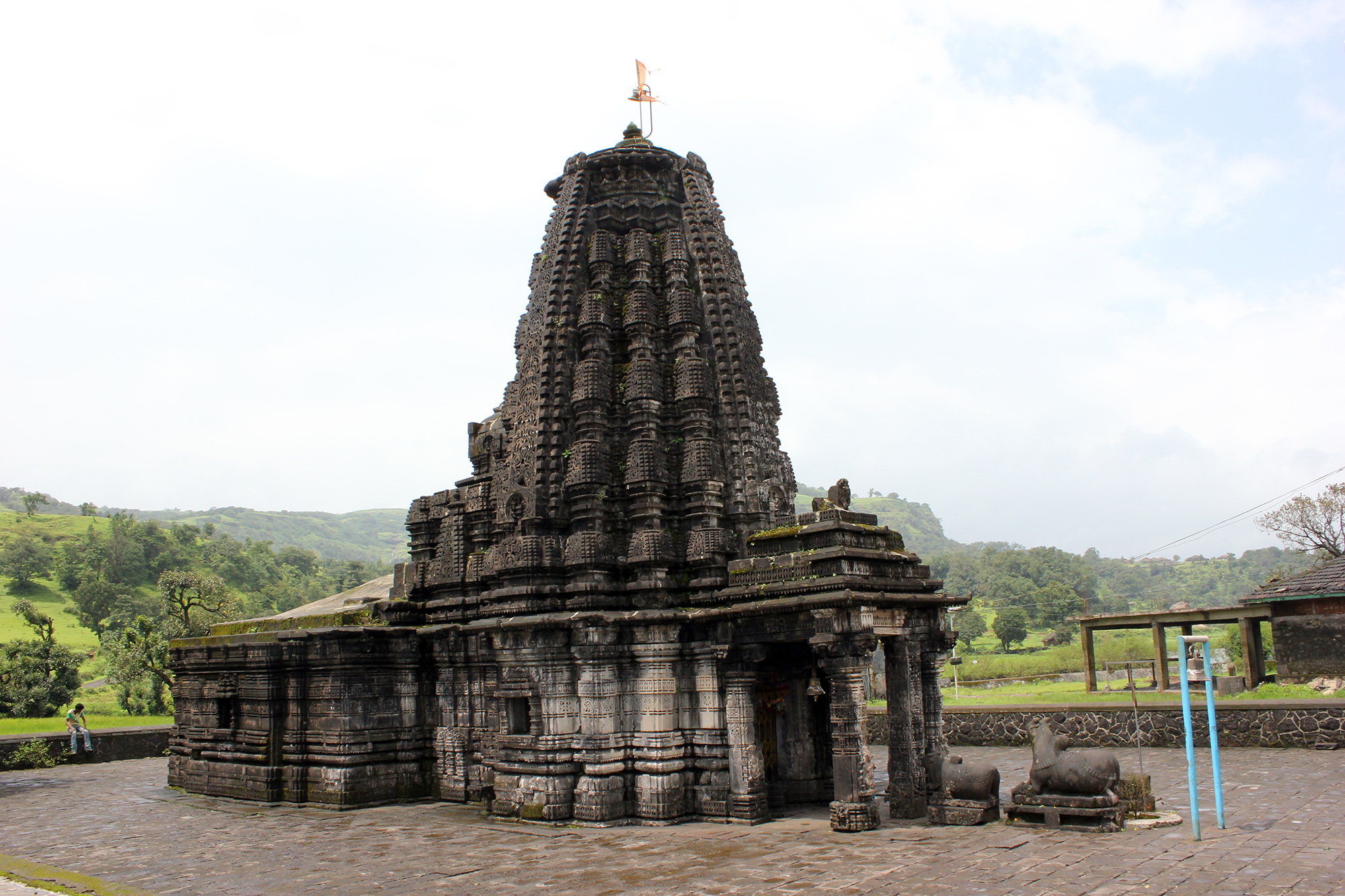
Chintamani Temple, Theur
About Chintamani Temple, Theur
The temple opens for darshan twice daily. Morning darshan runs from 6:00 AM to 12:00 PM, while evening darshan is available from 4:00 PM to 9:00 PM. Both morning and evening aartis are performed, marking the principal moments of ritual worship when the deity is honoured with light, sound, and devotional offerings. Visitors should note that these timings may shift during festivals or seasonal changes, so confirming exact times before arrival is advisable. The temple follows the schedule typical of major Hindu shrines, with the early morning hours often drawing the largest crowds of devotees.
Planning Your Visit
The best season to visit Chintamani Temple is between October and March, when the climate in Maharashtra is cooler and more comfortable for travel and worship. During the monsoon and summer months, conditions can be challenging. As with most Hindu temples, modest dress is expected—covering shoulders and knees is standard practice. Visitors should be prepared for the possibility of crowds, particularly during morning hours and on festival days. Since the temple is situated in Theur village, facilities may be more limited than in urban centres; carrying water and any necessary medications is prudent. The temple's location 25 kilometres from Pune makes it accessible as a day trip or as part of a broader Ashtavinayaka pilgrimage circuit.
The Ashtavinayaka Pilgrimage Context
Chintamani Temple forms one link in a chain of eight Ganesha shrines that hold deep significance in Maharashtra's devotional landscape. Pilgrims often visit multiple Ashtavinayaka temples as a spiritual journey, and Theur is positioned as one of the more substantial and well-known among them. The tradition of worshipping Ganesha at these eight specific locations reflects centuries of religious practice in the region. For devotees undertaking the full Ashtavinayaka yatra, Theur provides an opportunity to seek the blessings associated with mental peace and the removal of obstacles—qualities traditionally linked to Ganesha worship.
Reaching Theur
Theur is situated in Maharashtra's Pune district, making it accessible from Pune city as the primary reference point. The coordinates 18.52379722, 74.04628333 mark the temple's location for those using GPS navigation. Visitors travelling from Pune can reach Theur by road; the 25-kilometre distance is manageable as a half-day or full-day excursion. Those planning to visit multiple Ashtavinayaka temples may wish to arrange transport in advance or join an organized pilgrimage group, as the shrines are distributed across the region.
Worship and Ritual Practices
Temples dedicated to Ganesha in the Ganapatya tradition typically emphasize devotion to the deity as the supreme force. Worship at Chintamani follows the rhythms of Hindu temple practice, with aartis serving as focal points for collective devotion. Visitors may participate in darshan—the act of viewing the deity—which forms the core of temple worship. Many devotees also arrange specific pujas or ritual services; the temple's infrastructure supports various forms of worship and ceremonial observance. Those seeking deeper engagement with the temple's spiritual life can inquire about opportunities for seva (service) or specific ritual practices aligned with their devotional intentions.
How to reach
Temples near Chintamani Temple, Theur

Ramdara Temple
Ramdara Temple is a contemporary Hindu shrine dedicated to Lord Rama, located in Pune, Maharashtra. Established in 2024, it serves as a modern place of worship with daily ritual…
Vimannagar Ganesh Temple
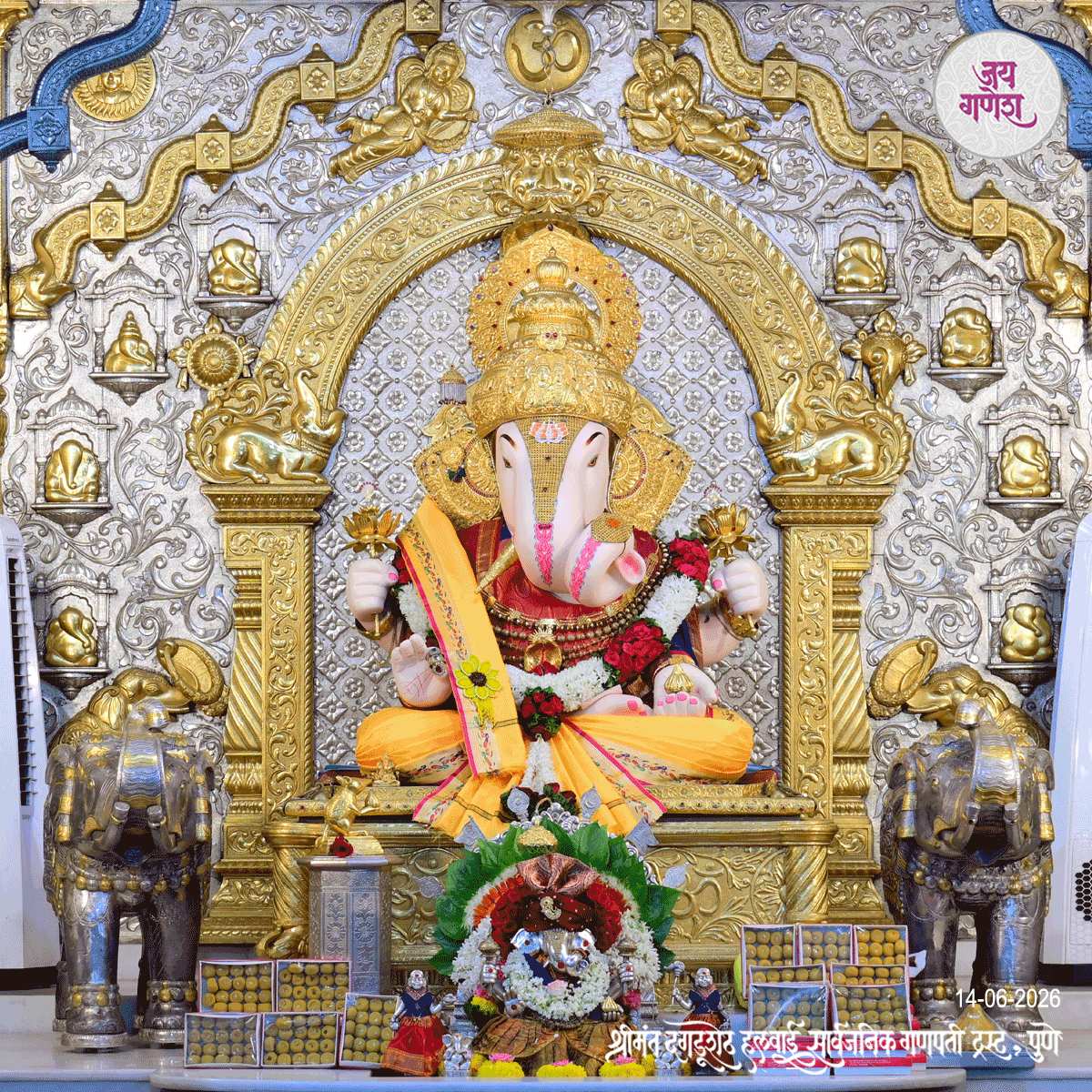
Vimannagar Ganesh Temple in Pune's Viman Nagar neighbourhood is a community shrine dedicated to Lord Ganesha, established in the late 19th century and known for vibrant Ganesh C…
Shinde Chhatri
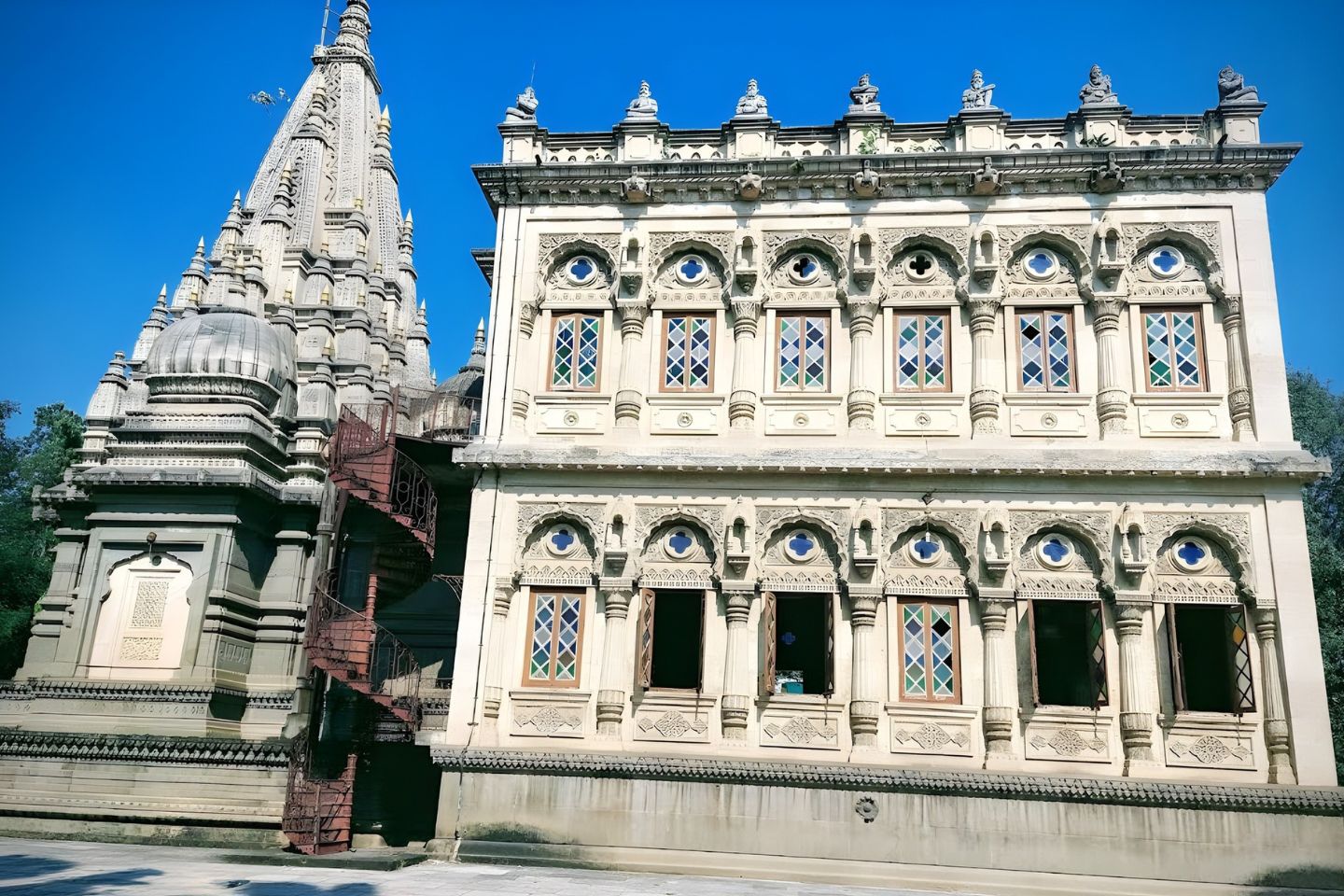
Shinde Chhatri is a memorial dedicated to Maratha commander-in-chief Mahadji Shinde, featuring a Shiva temple built in the 18th century and a commemorative structure added in 1965.
Tarkeshwar Shiva Temple
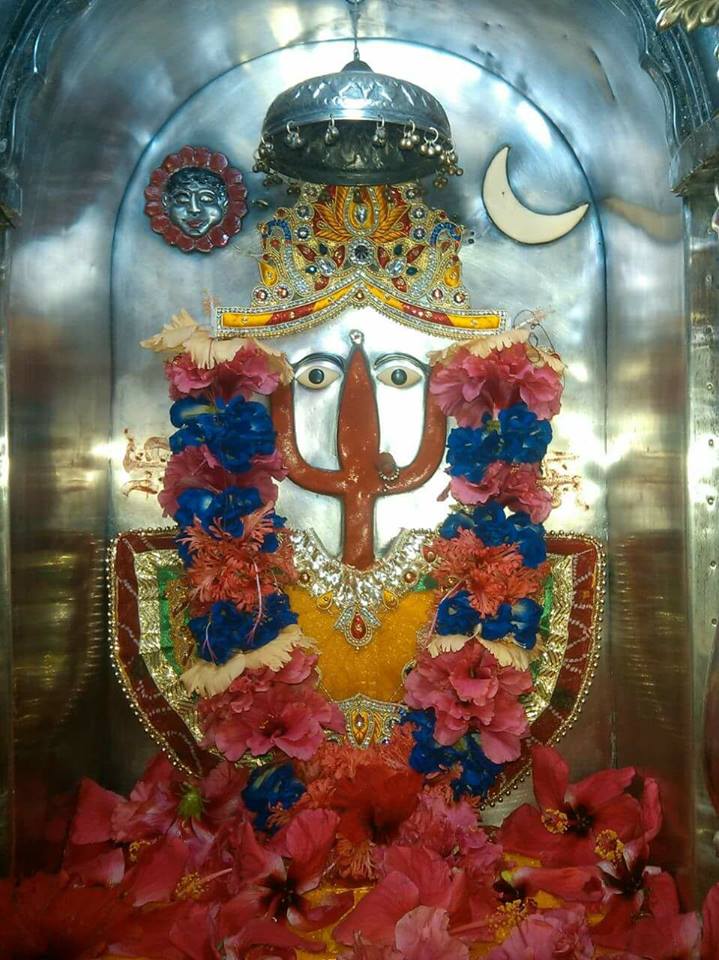
Tarkeshwar Shiva Temple in Yerawada, Pune, is an ancient shrine dedicated to Lord Shiva, believed to date from the Pandava era. The temple welcomes devotees daily with extended…
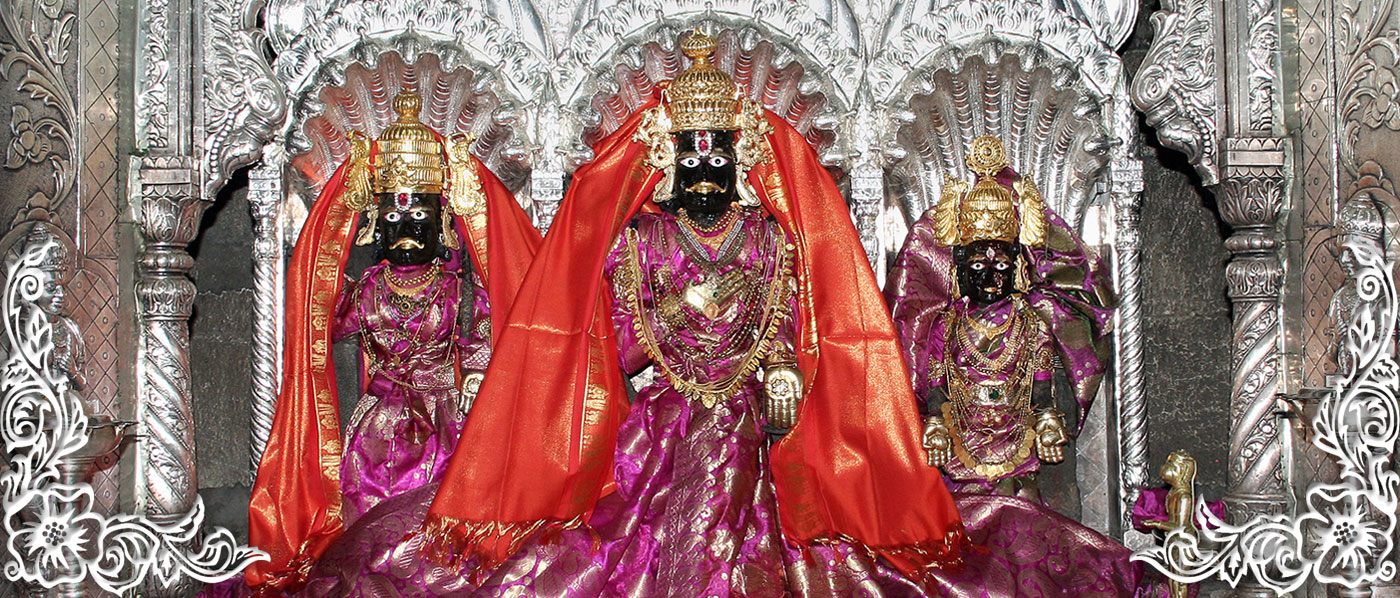
Kala Ram Mandir Complex
Kala Ram Mandir in Nashik's Panchavati is a revered shrine housing black basalt idols of Lord Rama, Sita, and Lakshmana, believed to mark the sacred site where these deities res…
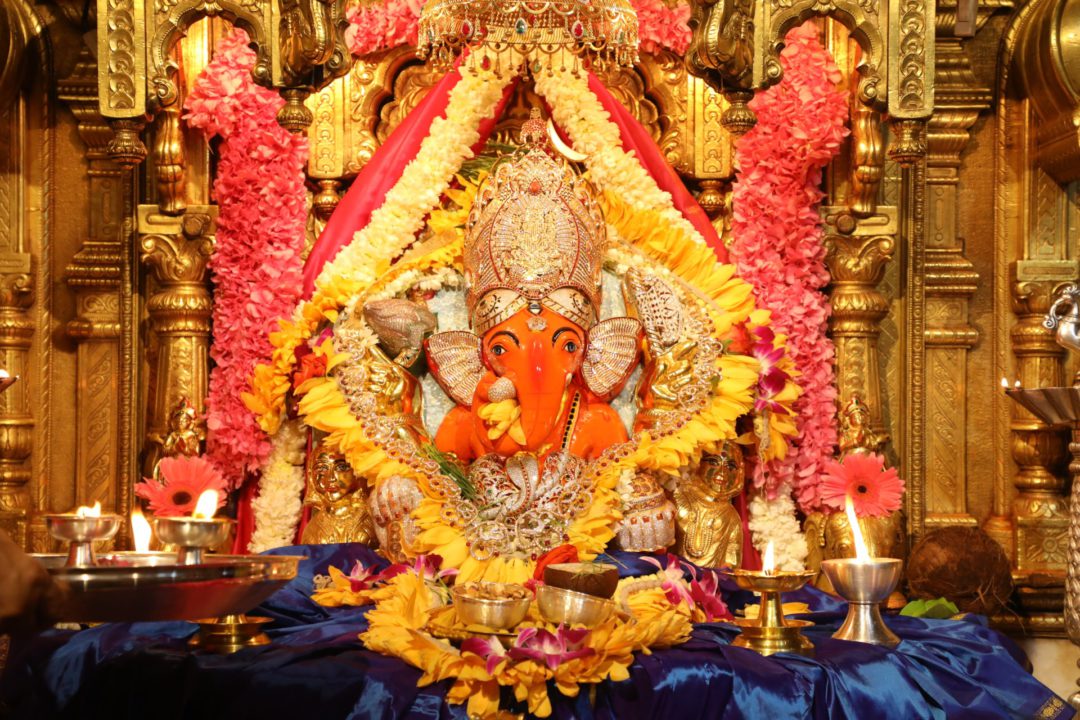
Siddhivinayak Ganapati Mandir
The Shri Siddhivinayak Ganapati Mandir in Mumbai's Prabhadevi neighbourhood is one of the city's most revered Hindu temples, established in 1801 and dedicated to Lord Ganesha.