Chenraya Perumal Temple
About Chenraya Perumal Temple
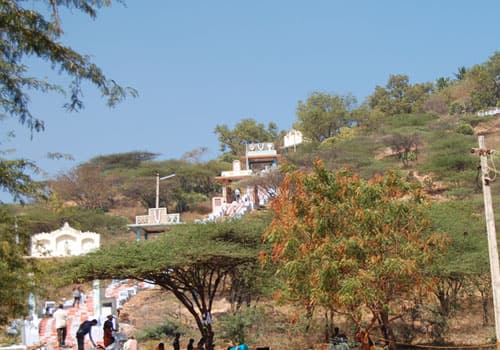
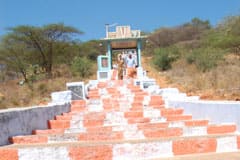
The temple is believed to date between 500 and 1000 years old, with construction attributed to the Hoysala and Vijayanagar dynasties, most prominently to Krishnadevaraya. The architectural style reflects these periods, incorporating design elements characteristic of Hoysala-Vijayanagar temple construction. The structure rises on a hillside, requiring visitors to climb 500 steps to reach the sanctum.
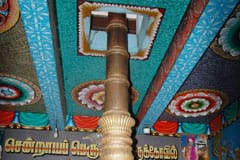
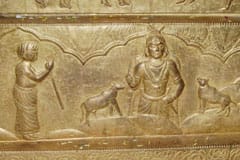
The temple contains 48 pillars, a number carrying symbolic significance in Hindu cosmology—mandalam refers to a sacred cycle of 48 days, and this architectural feature embodies that sacred duration. The flag post (kodimaram) displays sculptural reliefs depicting the temple's history. Within the mandap to the right of the sanctum stands the Chitra Rath Mandap, a platform where tradition holds the deity drank milk; devotees place their hands on its two corners during worship, and report experiencing their hands drawing closer together—an experience interpreted as divine acknowledgment of their prayers.
Daily Darshan and Worship
The temple opens daily from 8:00 a.m. to 7:00 p.m., with extended hours on Saturdays from 5:00 a.m. to 9:00 p.m. Devotees typically offer prayers for agricultural prosperity, family wellbeing, timely marriage, and the blessing of children. As a thanksgiving practice, devotees perform abhisheka (ritual bathing) of the deity. Offerings include regional Tamil Nadu dishes—the spicy preparations murukku and cheedai, along with the sweet athirasam—reflecting the deity's association with Krishna, to whom such foods are traditionally offered.
On Saturdays, devotees sing bhajans recounting Krishna's exploits and the Ramayana. The temple's spiritual practice emphasizes the child form of the deity, distinguishing its worship from other Vishnu temples in the region.
Major Festivals
Vaikunda Ekadasi, observed in December–January, is marked by special pujas. Onam and Purattasi Saturdays in September–October are observed as festival days, with Onam featuring three days of special yagasala pujas. During Onam, the garland worn by Sri Andal in the Srivilliputhur temple is brought to this shrine to be offered to the deity.
A three-day festival is celebrated every alternate year in Panguni (March–April). During this festival, the deity's processional form leaves the hilltop for the plains on the night of the fourth Friday, where special pujas and celebrations take place. A special folklore called Thevarattam features prominently in these celebrations, based on a narrative from Hindu mythology. The following Saturday, the deity's wedding festival with Rukmini and Satyabama is celebrated, during which the idols are said to dance.
Visiting Information
The temple is located in Kottaipatti, Adhiyamankottam, 7 km from Dharmapuri on the Salem road, in Dharmapuri district, Tamil Nadu. The address is Sri Chendraya Perumal Temple, Kottaipatti, Adhiyamankottam, Dharmapuri district, Tamil Nadu 636807. Contact: +91 98658 26387.
Visitors should be prepared for a 500-step climb to reach the sanctum. The best times to visit are December–January (Vaikunda Ekadasi), September–October (Onam and Purattasi Saturdays), and March–April in alternate years (Panguni festival). As with Hindu temples generally, visitors should dress modestly and remove footwear before entering the sanctum. The hilltop location offers a physical challenge but provides the setting for this distinctive shrine.
How to reach
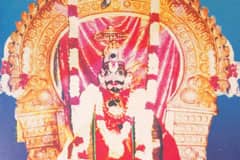
Temples near Chenraya Perumal Temple
Dharmapuri Paravasudeva Perumal Temple
Arulmigu Paravasudeva Perumal Temple in Kottai, Dharmapuri is a traditional Vaishnavite shrine dedicated to Sri Paravasudeva Perumal, a sacred form of Lord Vishnu, revered for p…
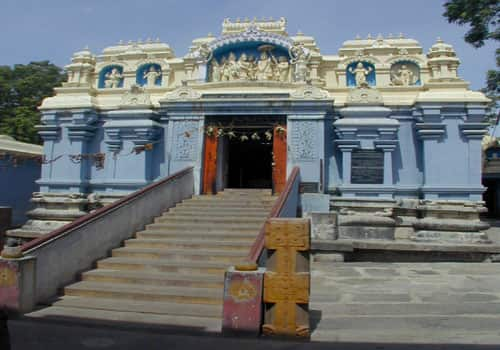
Mallikarjunar Temple, Dharmapuri
Mallikarjunar Temple in Dharmapuri is an ancient Hindu shrine dedicated to Lord Shiva, featuring distinctive architectural elements including hanging pillars and intricate sculp…
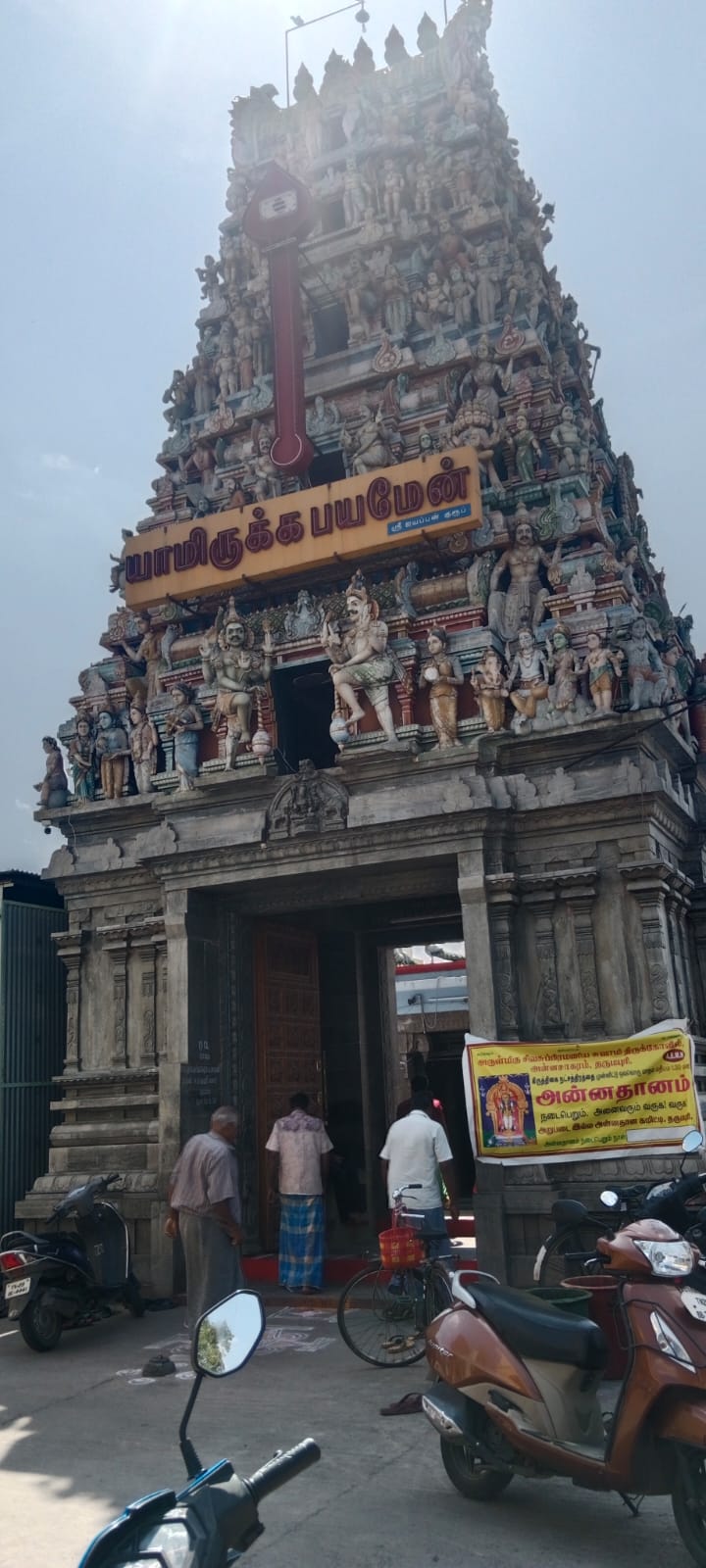
Dharmapuri Road Vinayagar Temple
A Hindu temple dedicated to Vinayagar located in Dharmapuri district, Tamil Nadu, serving the local community with regular worship services.
Adi Srinivasa Perumal Temple
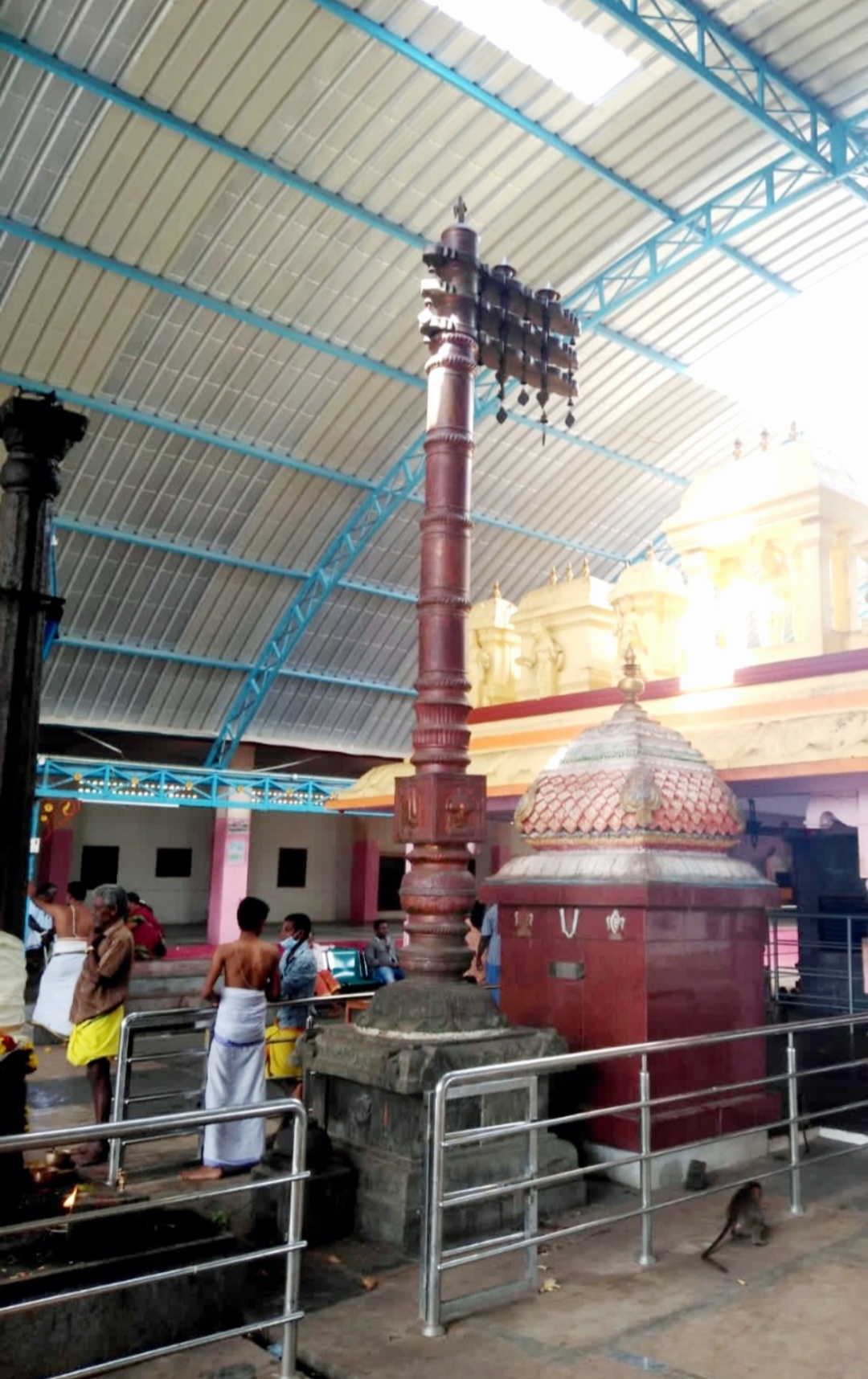
Adi Srinivasa Perumal Temple in Mookanur, Dharmapuri district, is an ancient Dravidian-style shrine dedicated to Lord Vishnu, believed constructed during the Pallava dynasty and…
Halepuram Sri Lakshmi Narasimha Temple
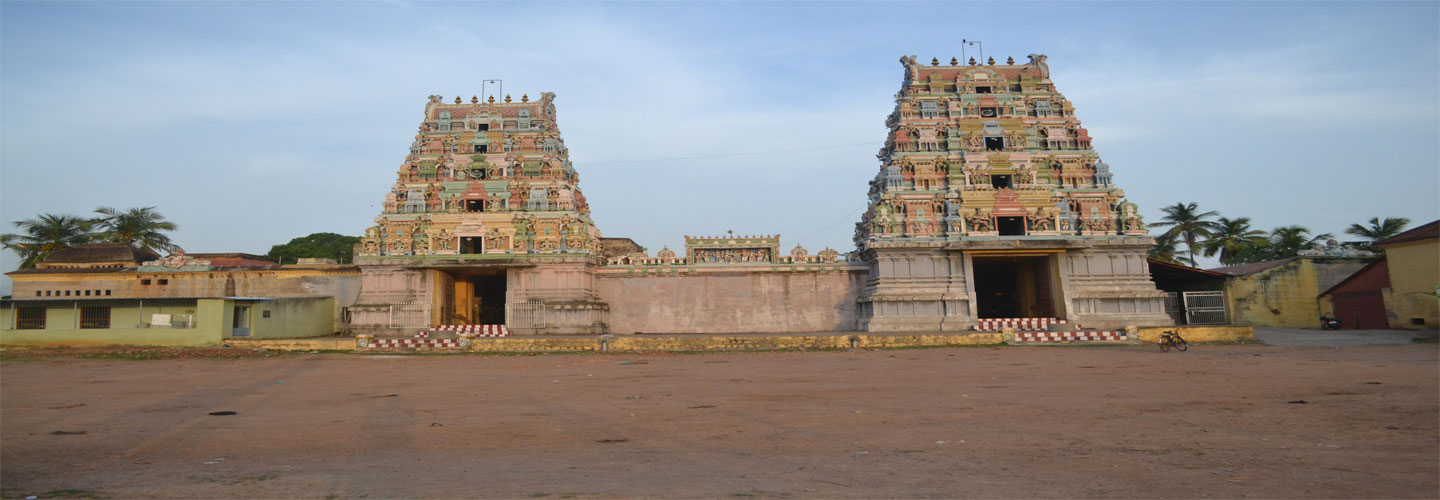
Sri Lakshmi Narasimha Swamy Temple in Halepuram, Tamil Nadu, is a Hindu shrine dedicated to Lord Narasimha, an avatar of Vishnu depicted with a human body and lion's head. The d…
Thenkaraikottai Kalyana Ramar Temple
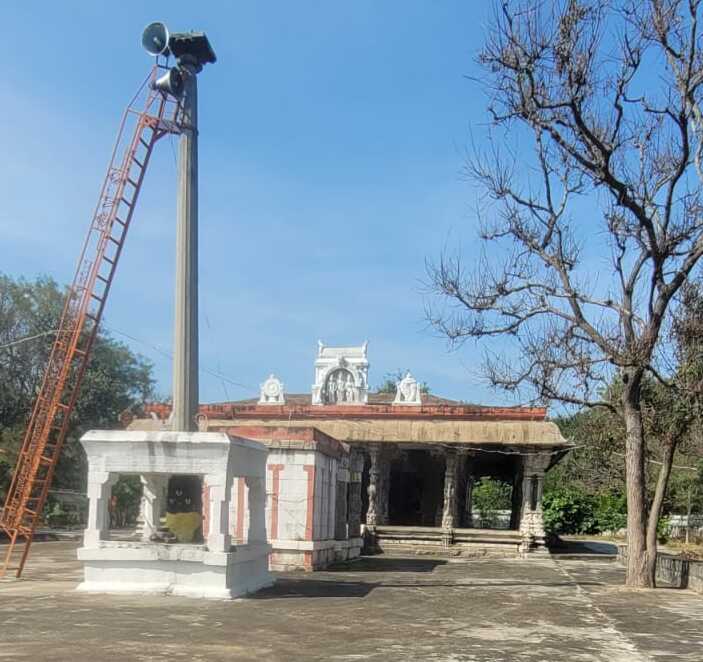
Thenkaraikottai Kalyana Ramar Temple is a Hindu temple dedicated to Kalyana Ramar (Lord Rama) located in Fathima Nagar, Tamil Nadu.