Chausath Yogini Temple, Hirapur
About Chausath Yogini Temple, Hirapur
The temple was established during the 9th century CE, placing it within a formative period of Odishan temple architecture and religious practice. This dating situates the shrine within a broader context of medieval Hindu temple construction across eastern India, when diverse forms of deity worship—including those centred on yoginis and tantric frameworks—received architectural expression. The temple's survival across more than a millennium speaks to its enduring importance within local religious life and its recognition as a site of spiritual significance.
The Open-Air Circular Design
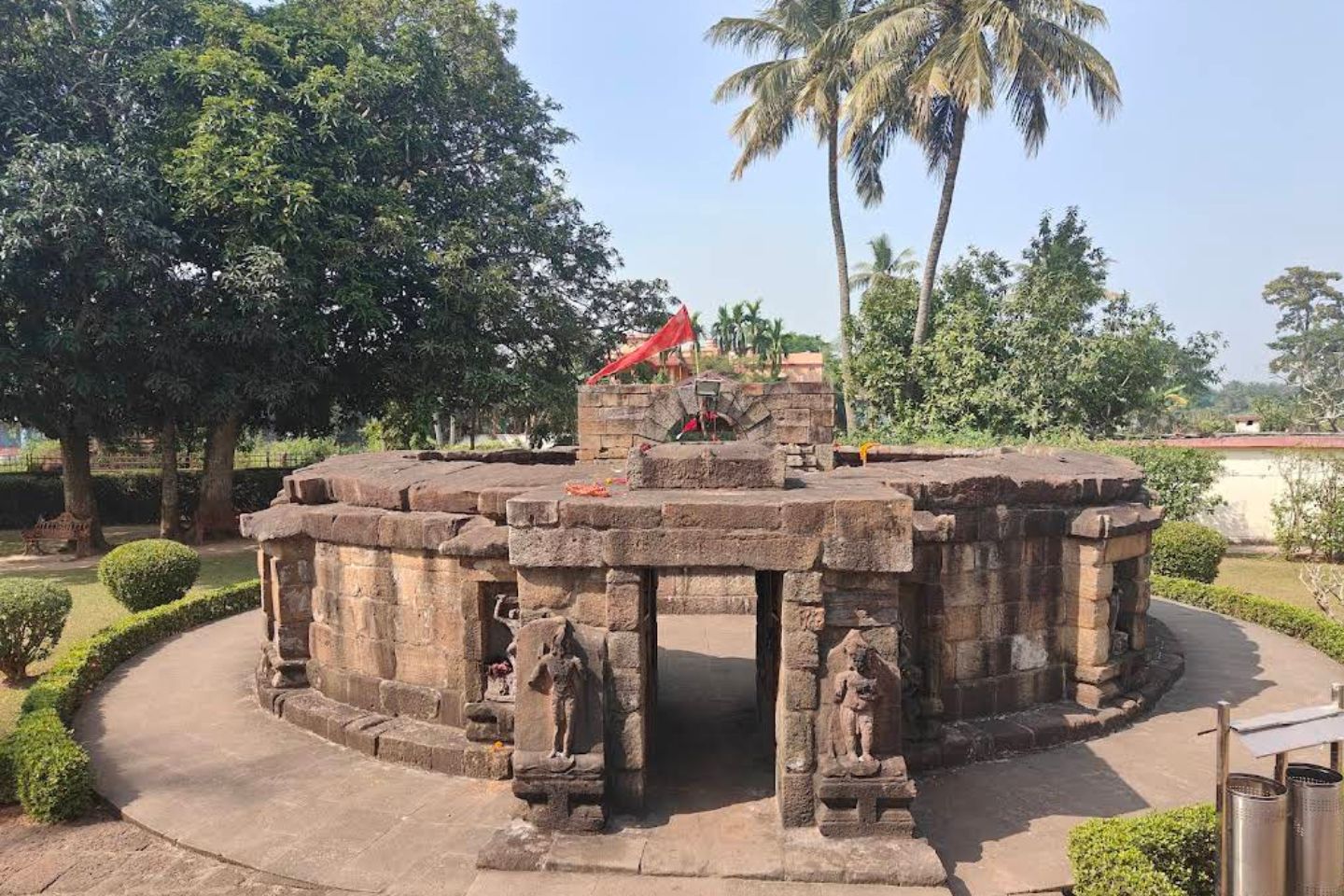
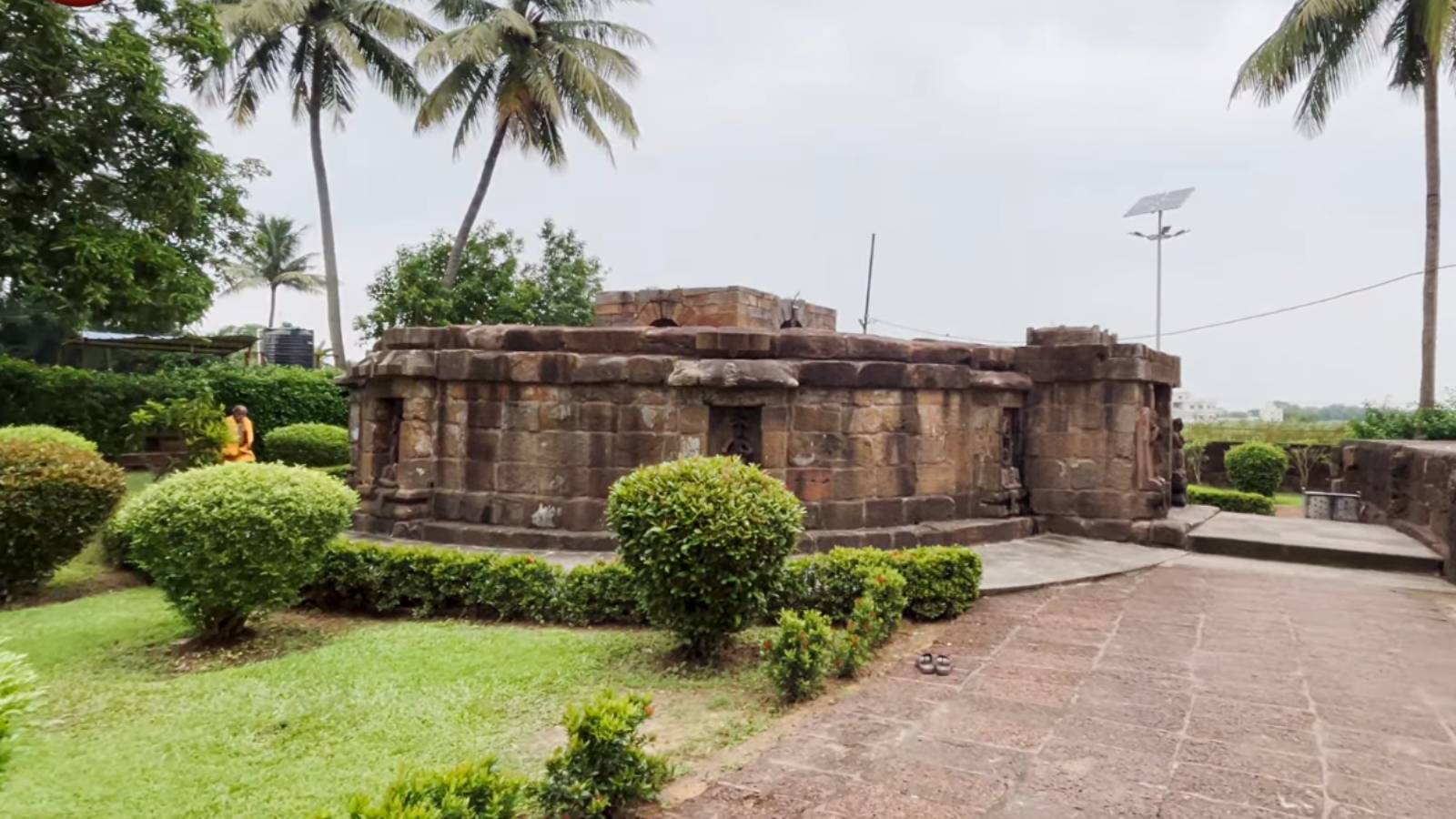
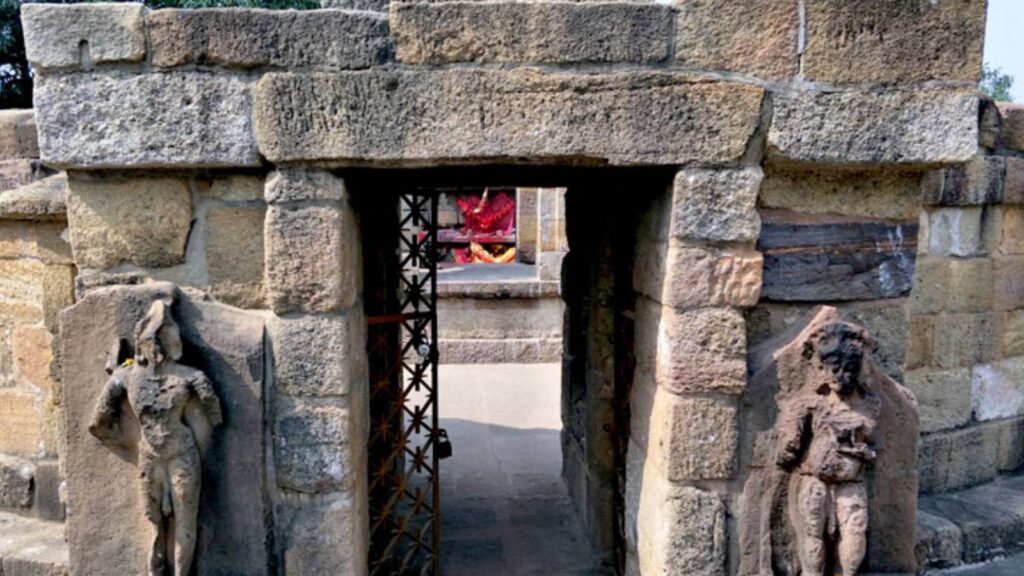
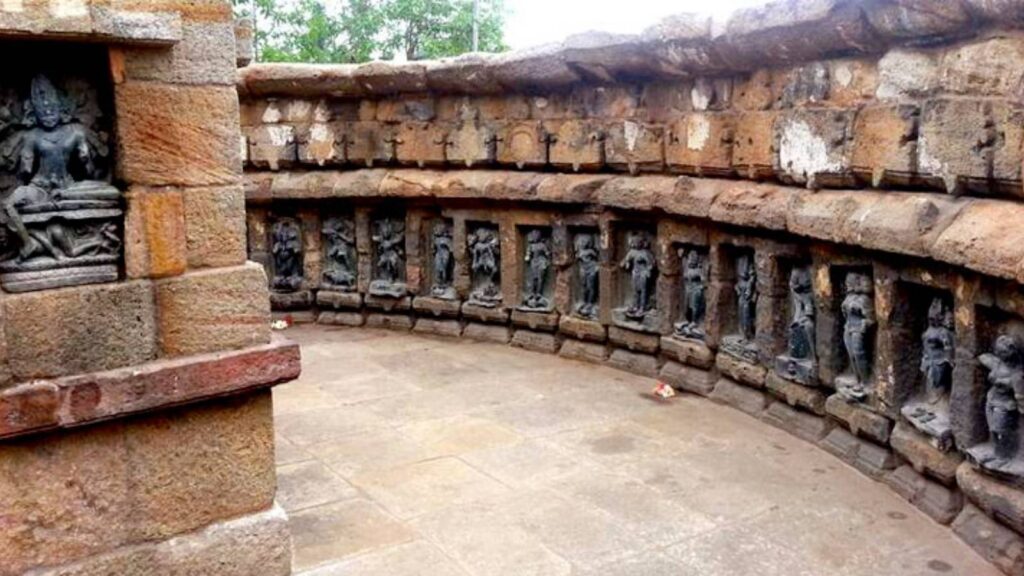
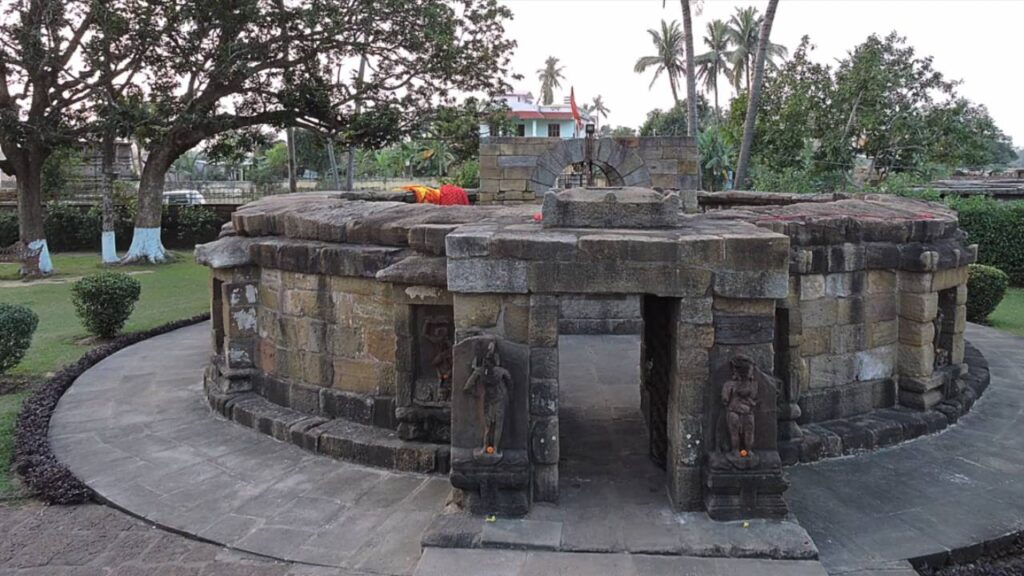
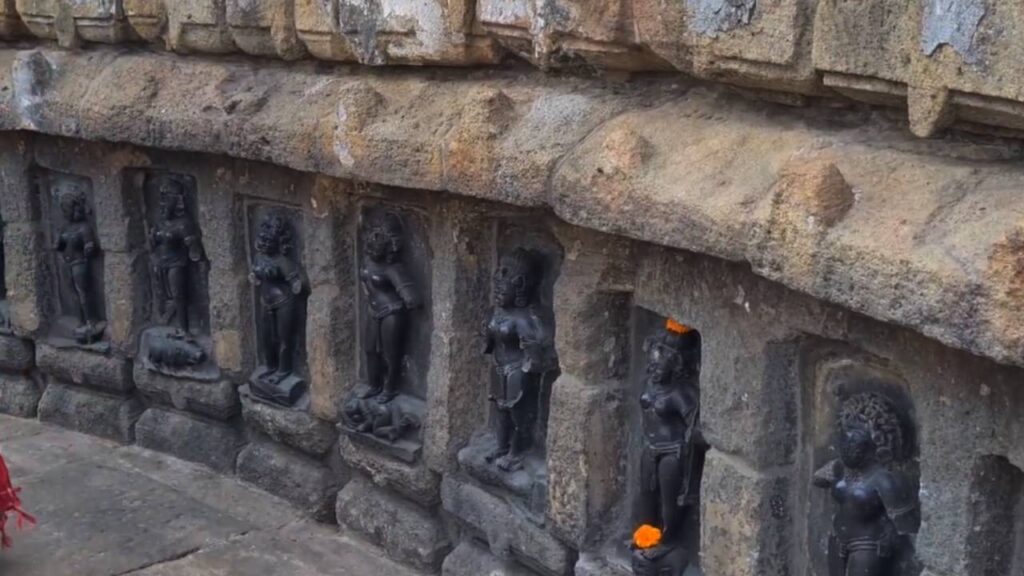
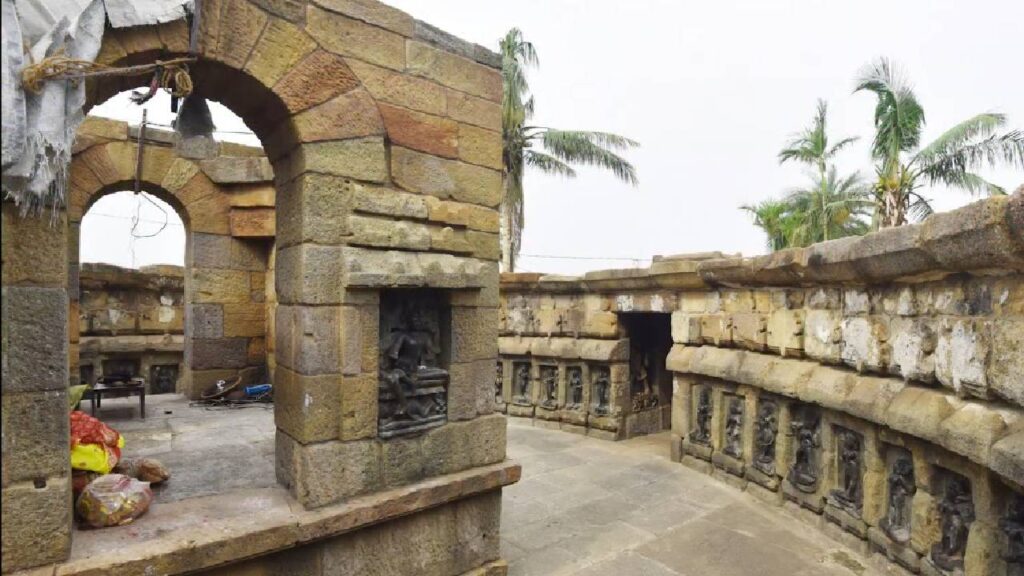
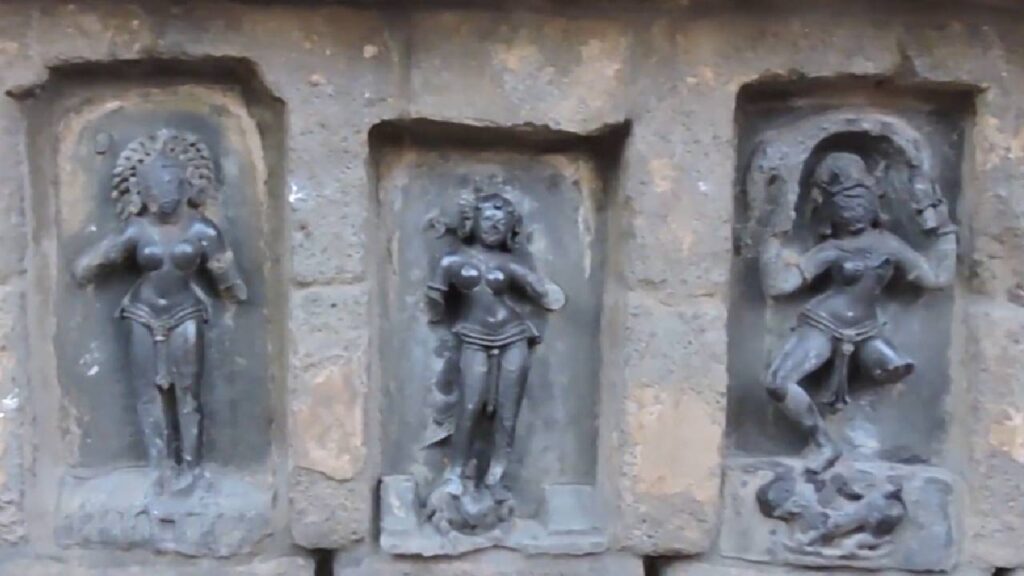
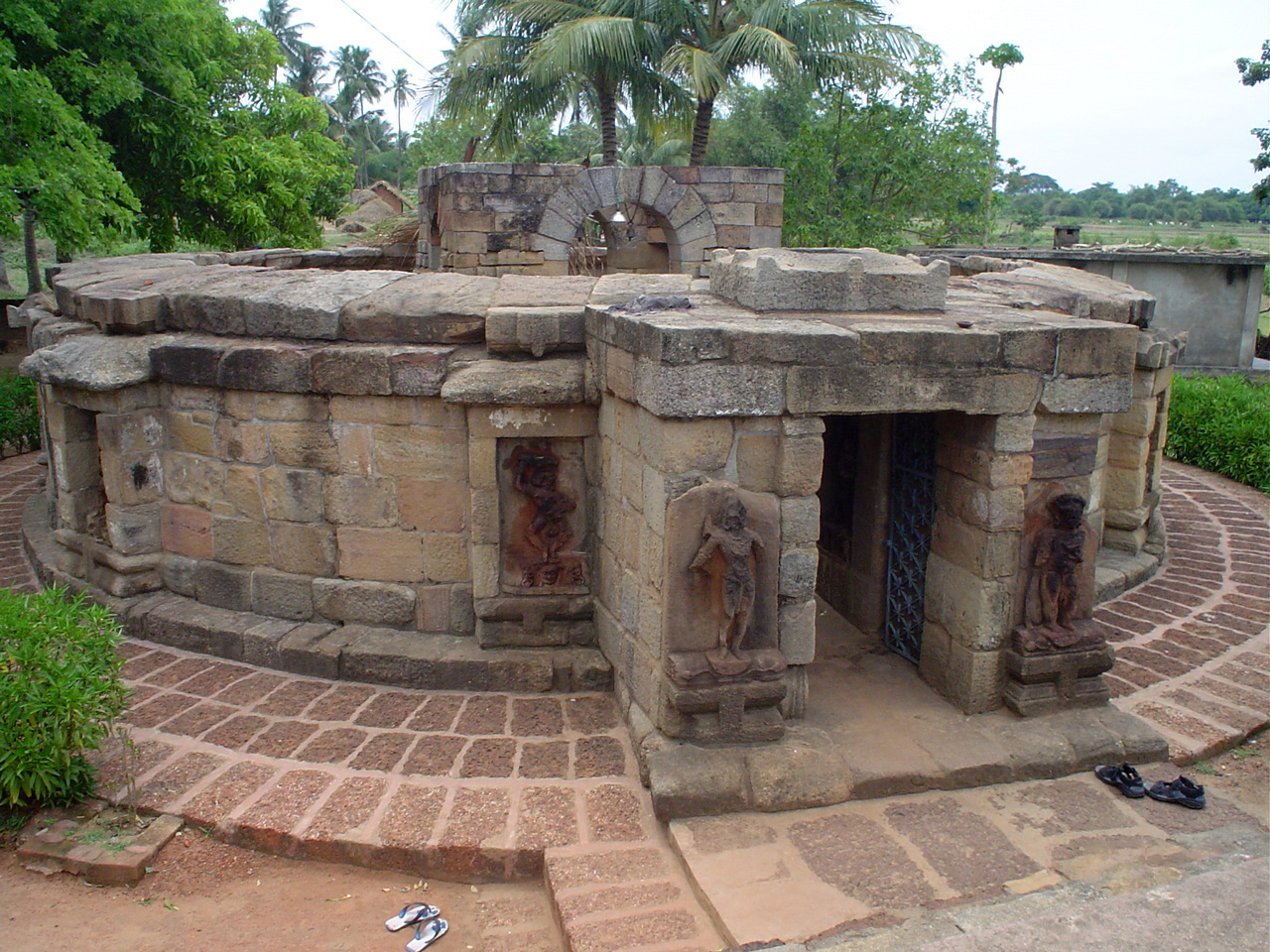
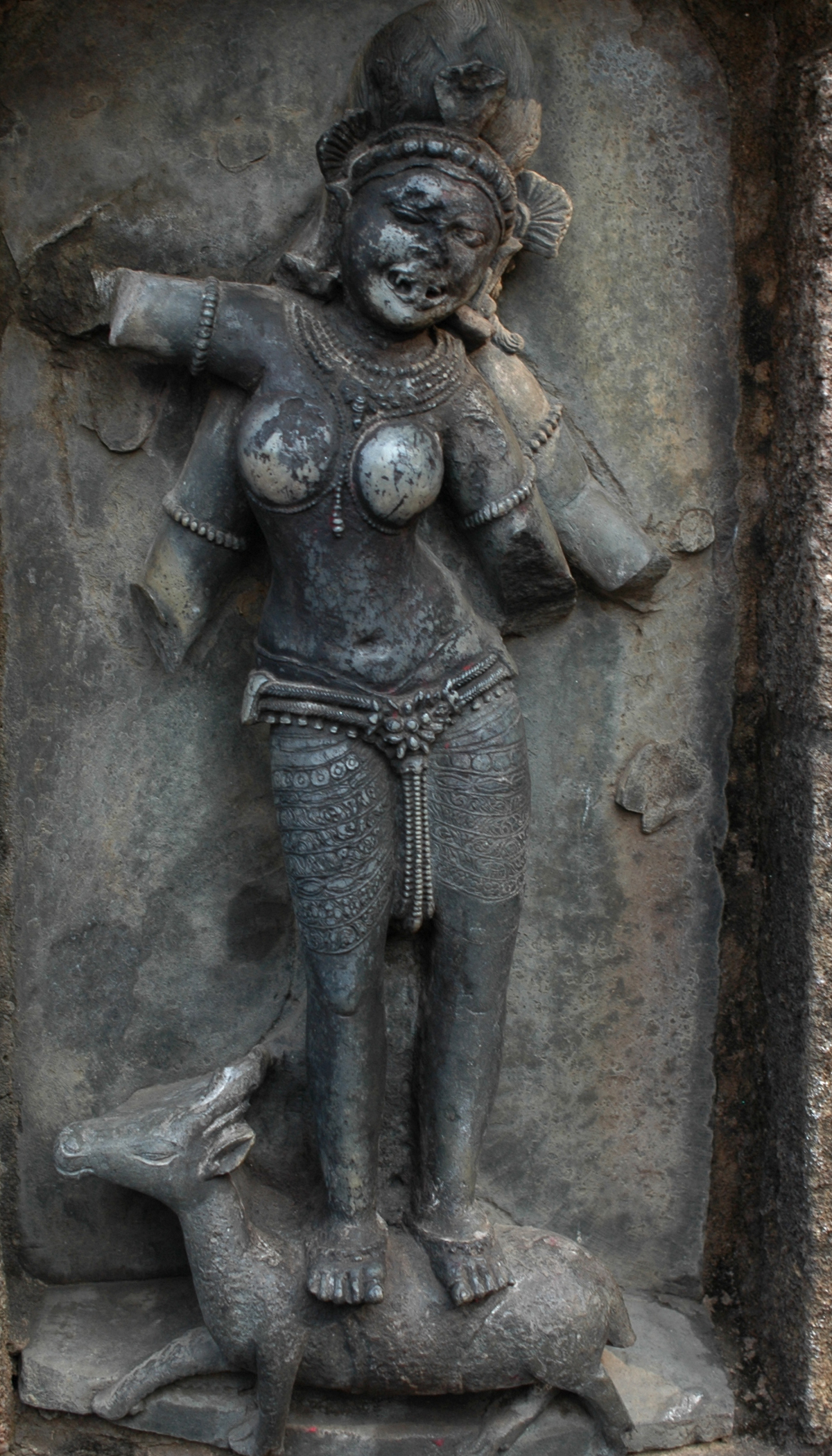
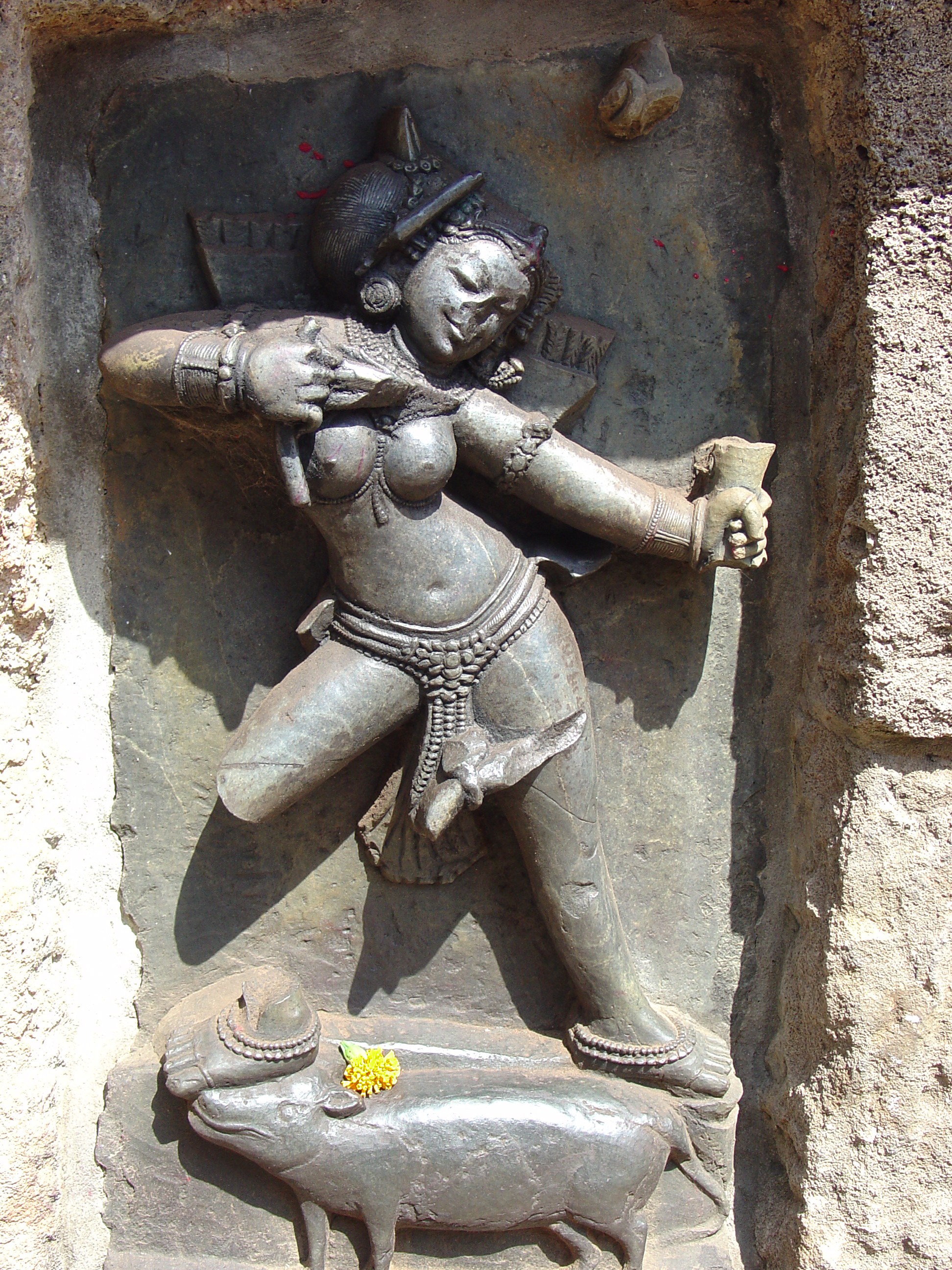
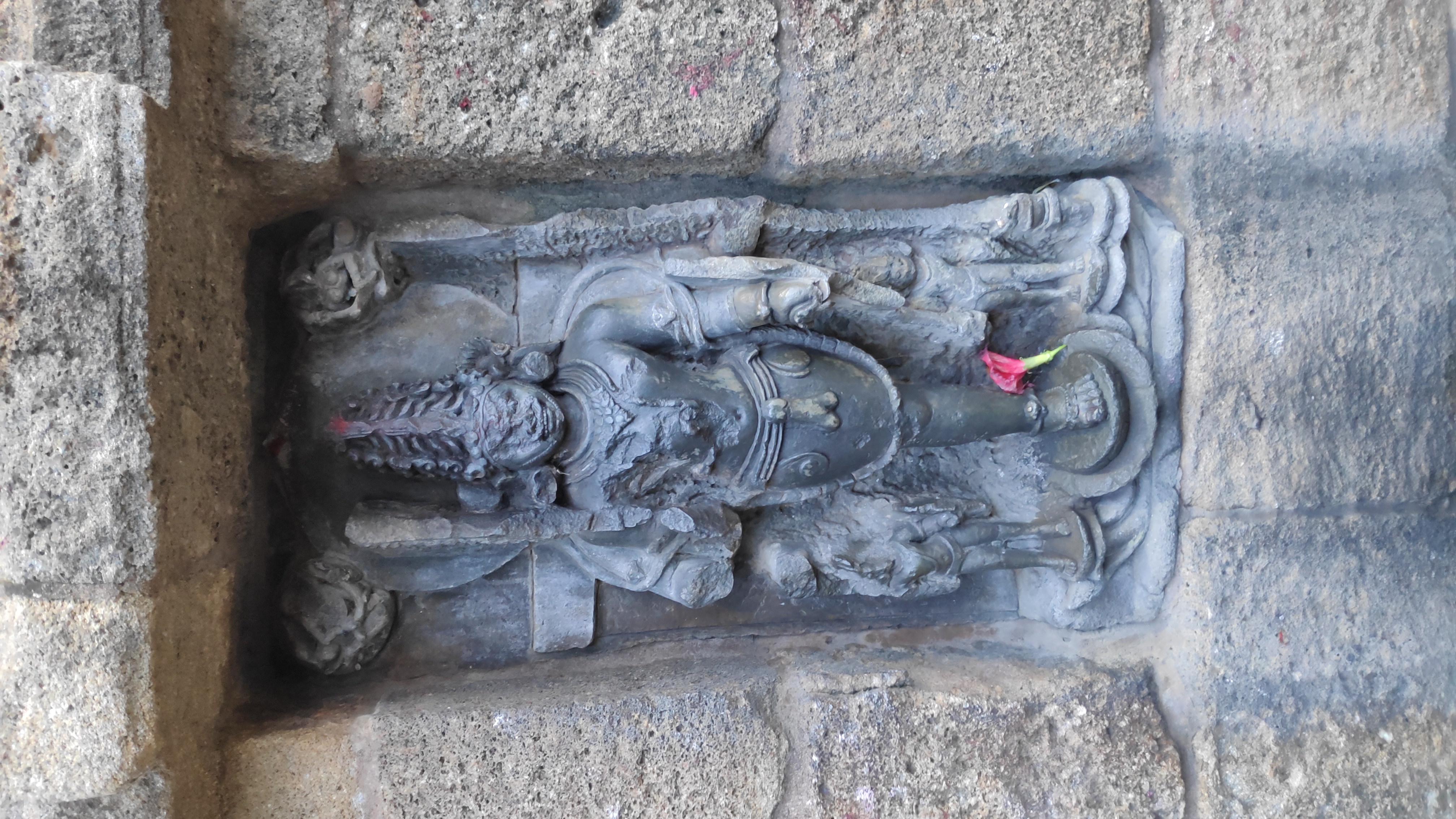
The temple's most distinctive feature is its open-air circular layout, which sets it apart from the enclosed sanctum structures typical of many Hindu temples. This architectural choice reflects the specific ritual and philosophical requirements of yogini worship. The circular arrangement allows for the positioning of shrines dedicated to the sixty-four yoginis around a central space, creating a mandala-like configuration that holds symbolic meaning within tantric traditions. Visitors approaching the temple encounter this unusual form immediately, and the openness of the design creates an experience quite different from entering a conventional temple building. The arrangement invites circumambulation and allows devotees to move through the sacred space in ways that enclosed temples do not permit.
Darshan and Daily Worship
The temple opens for darshan from 6:00 AM to 7:00 PM, with morning and evening aartis performed daily. These ritual times mark the principal occasions when the divine presence is formally invoked and honoured through chanting, offerings, and the waving of lights. The morning hours, particularly in the early part of the day, offer a quieter atmosphere for personal worship and contemplation. Visitors should plan to arrive with sufficient time to move through the circular shrine without rushing, as the layout encourages a meditative pace of worship. The aartis provide structured moments of collective devotion and are central to the temple's spiritual rhythm.
Best Times to Visit and Practical Information
The period from October through March offers the most comfortable conditions for visiting, as the weather in Odisha during these months is cooler and less humid than the summer season. Early morning visits align both with the temple's schedule and with the quieter, more contemplative atmosphere that many devotees prefer for darshan. The temple's open-air nature means that weather conditions directly affect the visiting experience; the monsoon season brings heavy rainfall, while summer heat can be intense.
Visitors should dress modestly and respectfully, as is customary at Hindu temples. Footwear is typically removed before entering the sacred precinct. The circular layout means the temple is accessible on foot, though the ground surface should be navigated carefully. No specific information about facilities such as ablution areas or rest spaces is documented, so visitors should plan accordingly and arrive prepared for an outdoor shrine experience.
Reaching Hirapur
Hirapur village lies approximately 20 kilometres from Bhubaneswar, the capital of Odisha. The temple's coordinates are 20.226515, 85.87559472, which can be used with mapping applications to plan travel routes. Visitors arriving in Bhubaneswar by rail or air will need to arrange onward transport to reach the temple. Local transport options and travel times should be confirmed with current sources, as road conditions and transport availability may vary seasonally.
How to reach
You may also visit
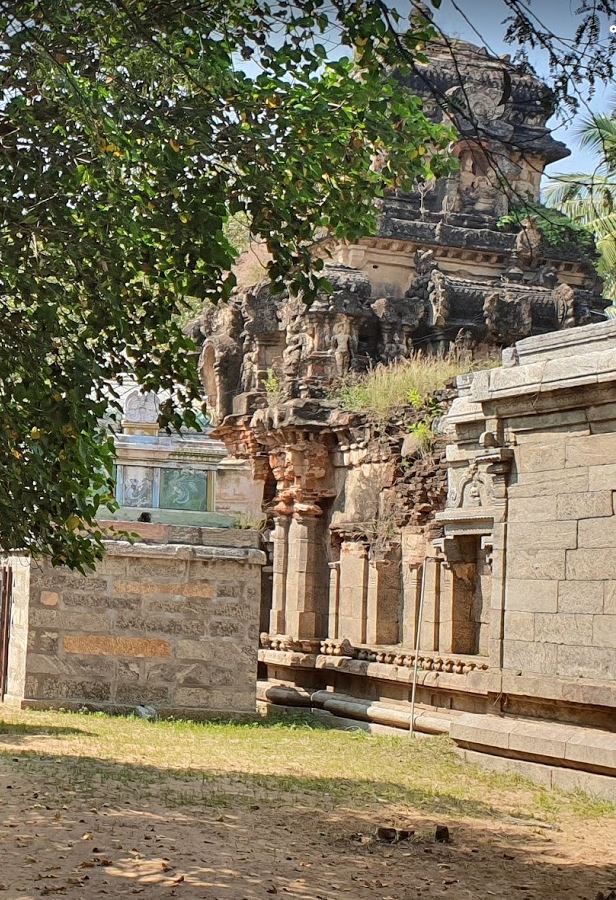
Agatheeswarar Temple, Karur
Agatheeswarar Temple in Thirumukkudalur, Karur district, is an ancient Hindu shrine dedicated to Shiva, situated at the sacred confluence of three rivers and believed to be over 1000 years old.
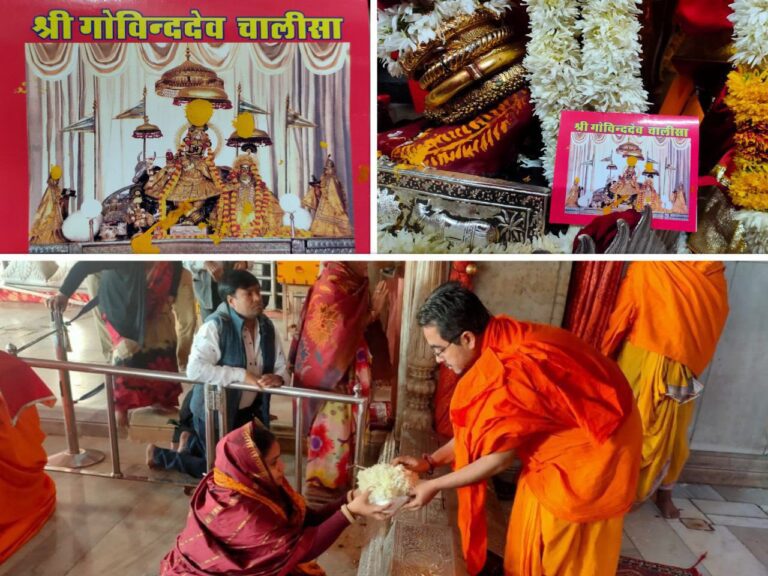
Kalyanji Temple
Kalyanji Temple in Jaipur's Chandpol Bazaar is an ancient Krishna shrine established in the 1820s, renowned for its seven daily aartis and special avatar darshan ceremonies during Akha Teej and Patottsav festivals.
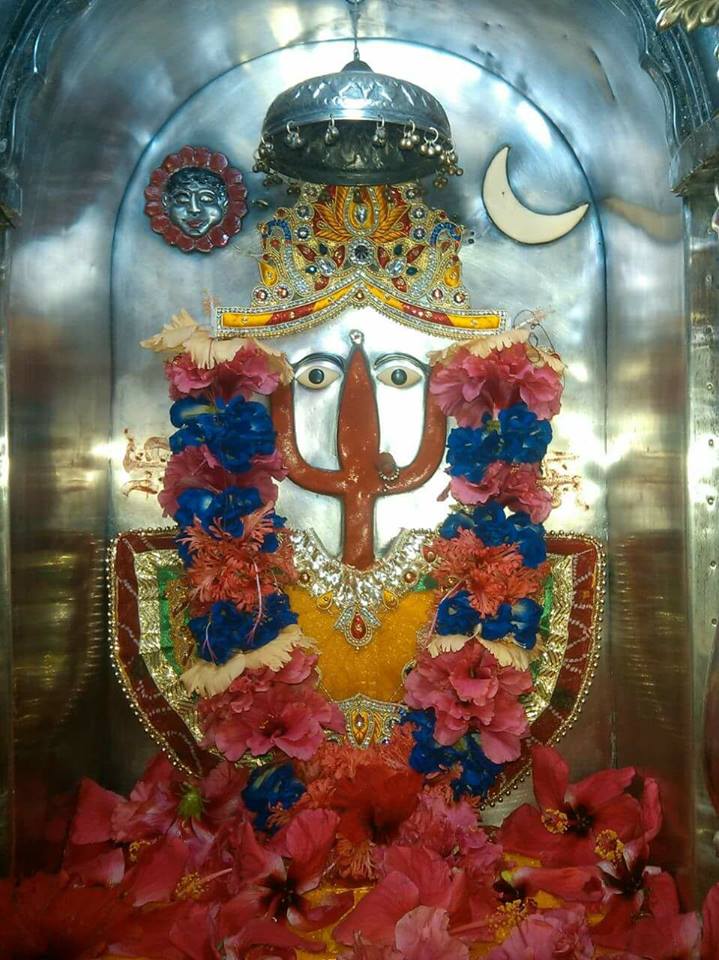
Rani Sati Mandir Mahuda
Rani Sati Mandir in Mahuda, Dhanbad District, is a Hindu temple established in 1992 that serves as a spiritual center for the local community and attracts devotees seeking blessings.