Chaubara Dera 1 temple, Un
About Chaubara Dera 1 temple, Un
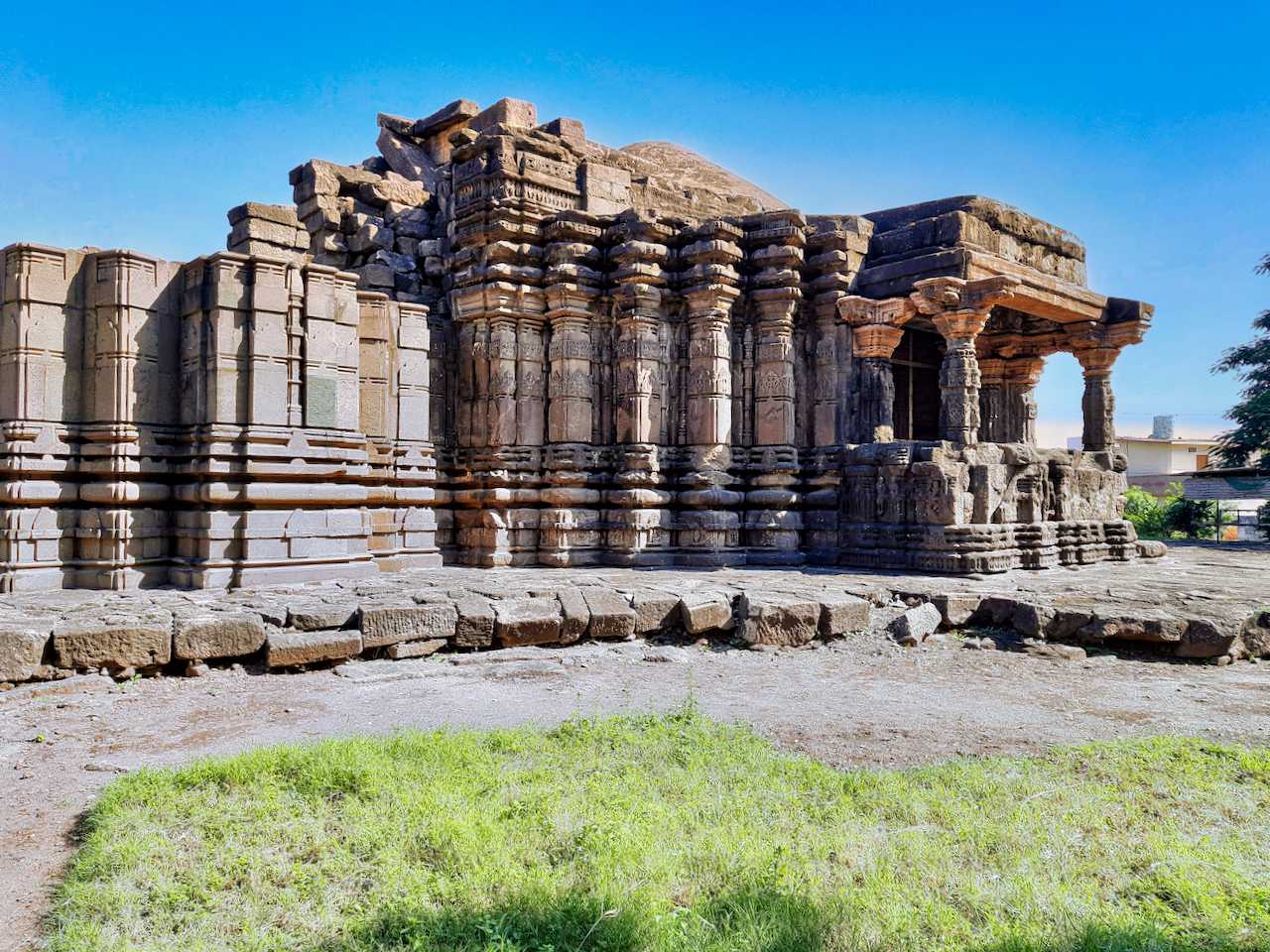
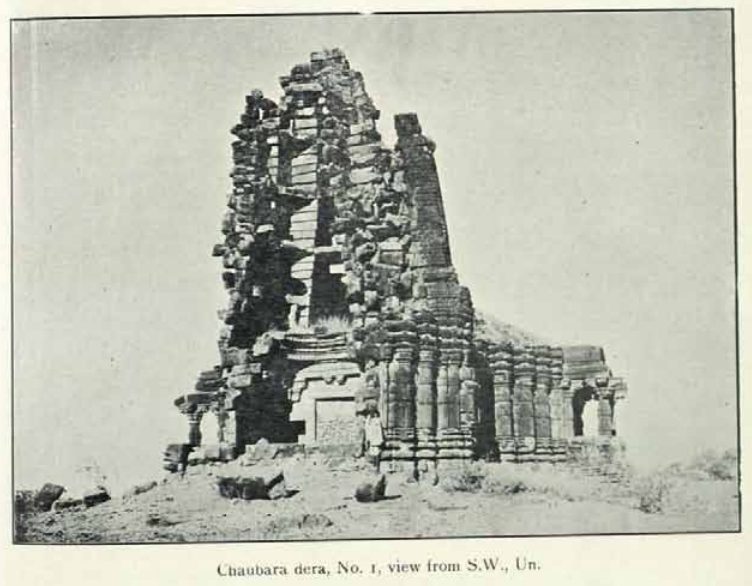
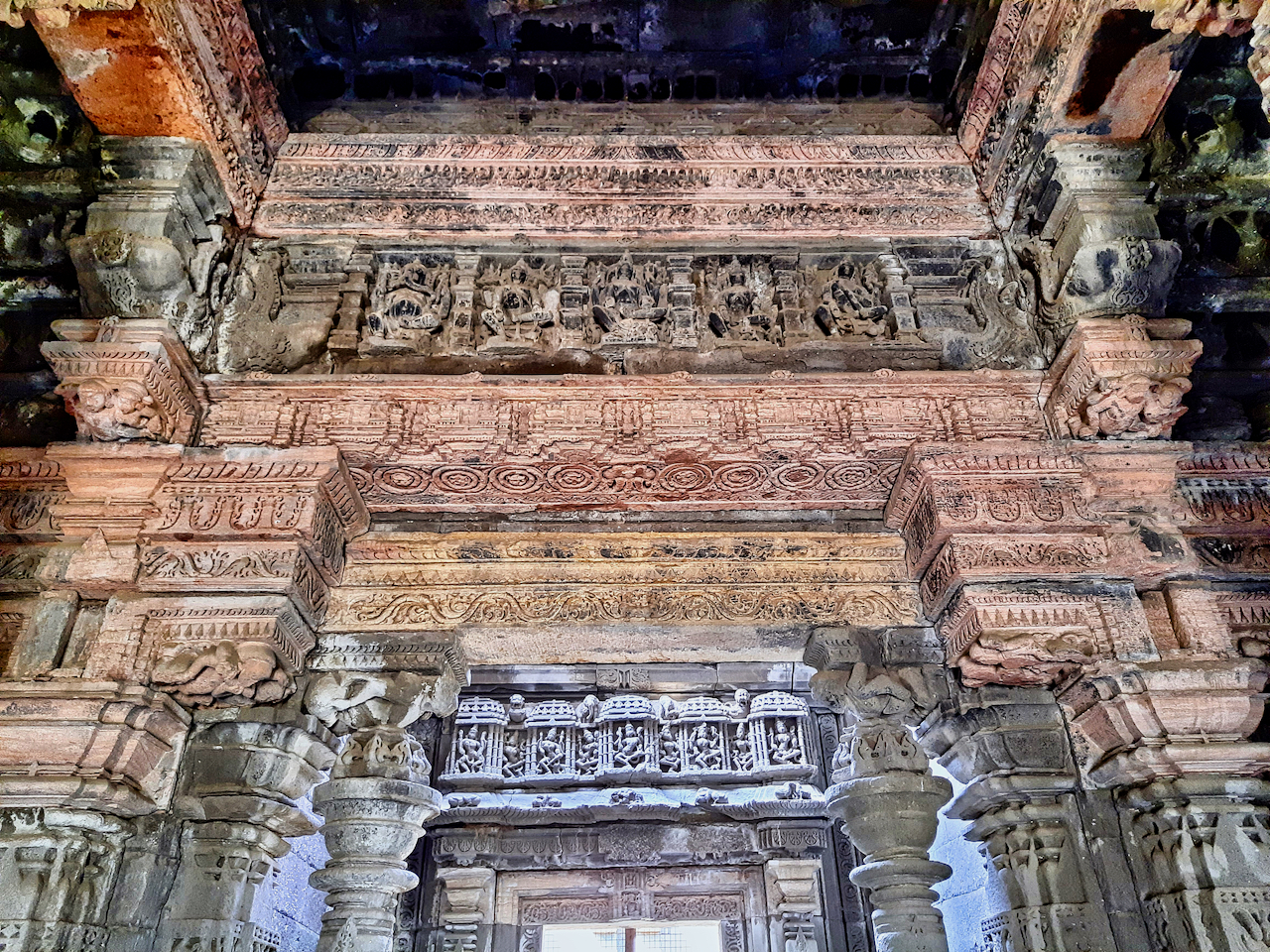
The temple faces east, with its main entrance through a porch supported by two pillars. These pillars display a distinctive design: square bases and lower shafts that transition to octagonal upper sections, decorated with geometric and floral patterns. Two smaller porches flank the main entrance, providing additional access points.
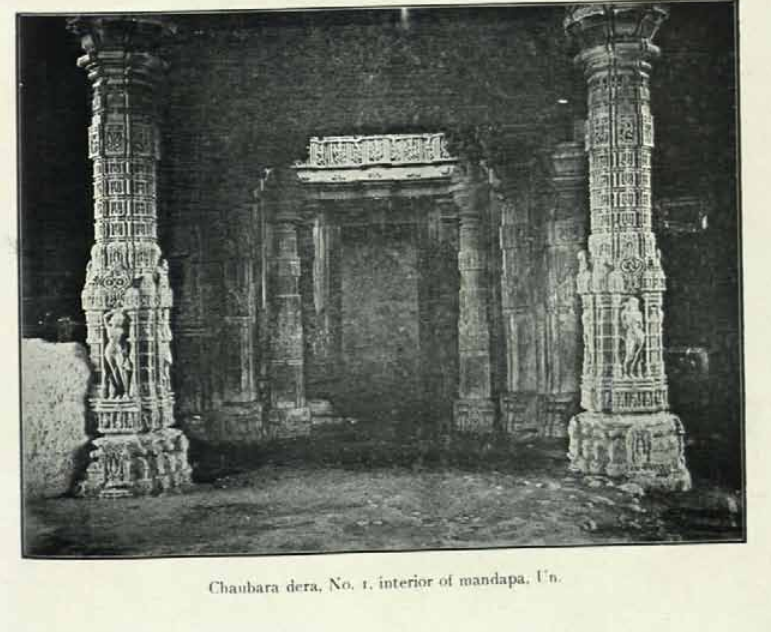
The interior follows a traditional plan: a square mandapa (pillared hall) receives visitors from the porches, followed by a rectangular antarala (ante-chamber), and finally a square garbhagriha (sanctum). Four pillars within the mandapa support lintels that carry an elaborately decorated domed roof. The lintel above the doorway leading from the main porch into the pillared hall bears a carving of Shiva accompanied by seven mothers—a significant iconographic element that reinforces the temple's Shaivite dedication. On the same platform stands a smaller temple, part of the larger sacred complex that once defined this site.
Inscriptions and Historical Significance
An inscription preserved within the temple provides crucial evidence of its importance during the Paramara period. This text mentions Udayaditya by name, leading some scholars to attribute the temple's construction to his patronage. However, architectural analysis has led others to propose an earlier date under Bhoja. Regardless of which ruler commissioned it, the inscription confirms that Chaubara Dera No. 1 functioned as more than a place of worship—it was a center of learning and religious authority, reflecting the Paramara dynasty's investment in intellectual and spiritual institutions.
The temple's abandonment came gradually. Unlike many sacred sites that remained continuously active, this one fell into disuse, though it remained structurally sound for centuries. The twentieth-century destruction of the sanctum represents a rupture in this history, erasing both the physical form of the inner chamber and the identity of the deity housed within.
Visiting the Temple
Chaubara Dera No. 1 is located in Un village, Madhya Pradesh, at coordinates 21.821777777778°N, 75.454666666667°E. As a ruined structure, the temple does not maintain formal visiting hours or facilities typical of active pilgrimage sites. Visitors should approach with respect for the sacred space, even in its diminished state. The dry masonry construction means the site is exposed to weather; sturdy footwear is advisable for navigating uneven ground.
The temple forms part of a cluster of ruins in the village, making it possible to view multiple structures in a single visit. The Archaeological Survey of India documented these temples in a 1919 report, bringing them to scholarly attention; this historical record may be consulted for additional context. Local residents can often provide directions and may share knowledge of the site's history and significance to the community.
Understanding the Ruins
Visitors encountering Chaubara Dera No. 1 should recognize that what remains represents only a portion of the original structure. The absence of the shikhara—the tower that would have crowned the sanctum—means the temple's full height and visual impact cannot be fully appreciated. Similarly, the loss of the main deity removes a central element of the sacred experience for which the temple was built. Yet the surviving pillars, lintels, and carved details offer insight into Paramara-period craftsmanship and religious iconography, making the site valuable for those interested in medieval Hindu temple architecture and the history of central India.
How to reach
Temples near Chaubara Dera 1 temple, Un

Ballaleshwar temple, Un
Ballaleshwar Temple in Pali is one of Maharashtra's eight sacred Ashtavinayak shrines, uniquely named after the devotee Ballal rather than a location. Dedicated to Lord Ganesha,…
Mahakaleshwar temple 2, Un
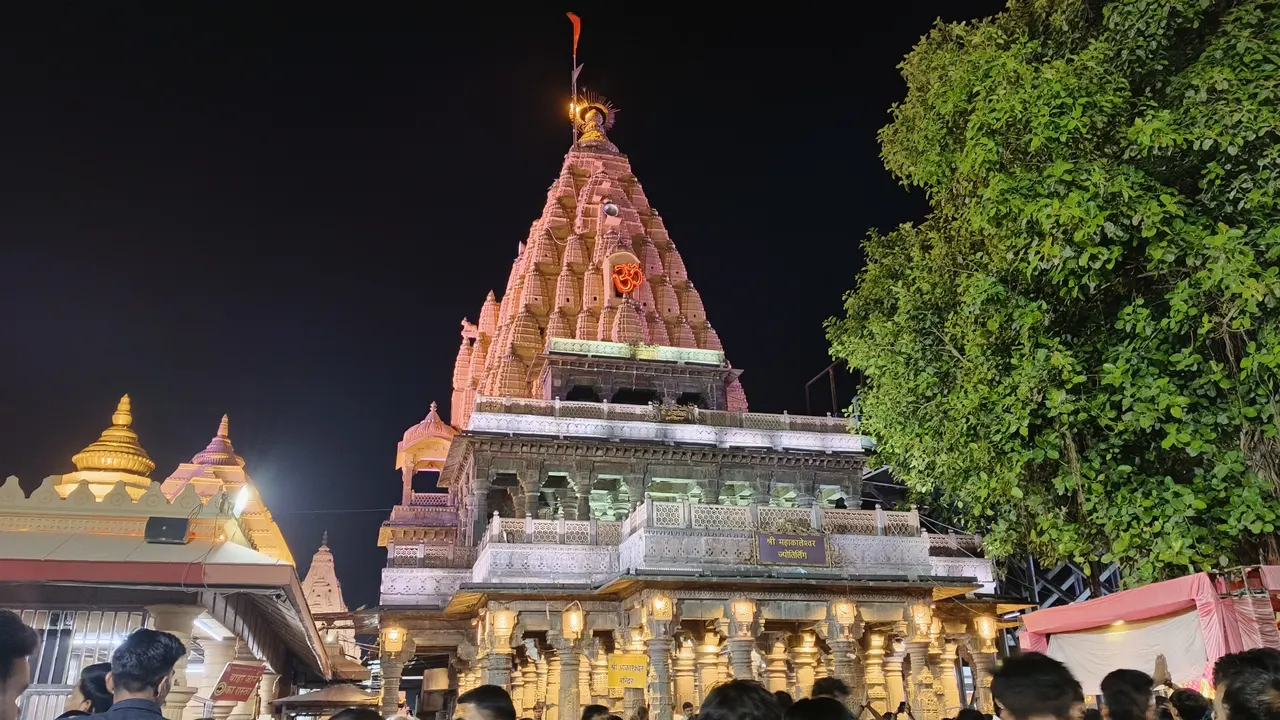
Mahakaleshwar Temple in Ujjain is one of twelve sacred Jyotirlingas and the only one with a southward-facing lingam. It is renowned for its daily Bhasma Aarti at 4:00 AM, where…
Ahilyeshwar Temple, Maheshwar
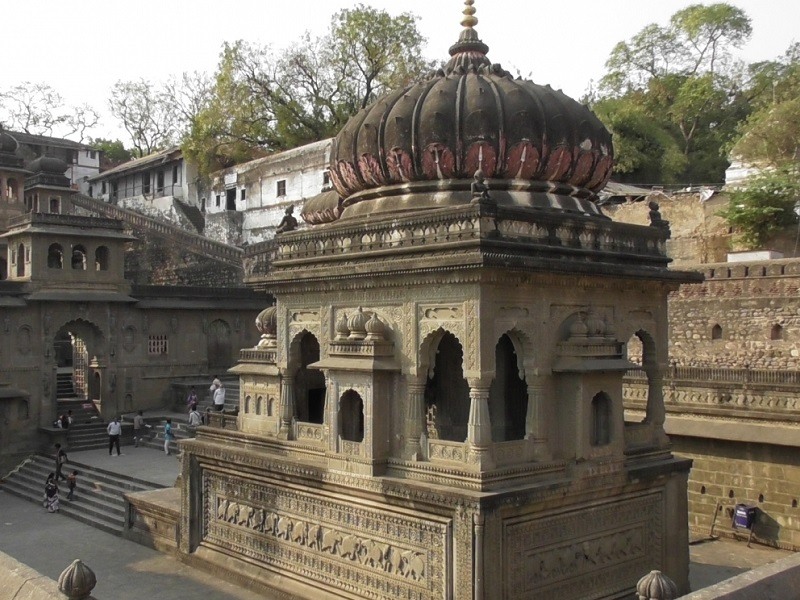
Ahilyeshwar Temple in Maheshwar is a 19th-century Shiva shrine built within the historic Maheshwar Fort complex on the banks of the Narmada River, commissioned as a tribute to R…
Satpuda Manudevi Temple, Adgaon
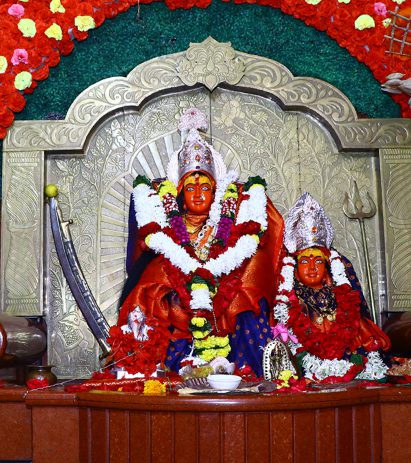
Manudevi Temple, nestled in the Satpura Range near Adgaon in Jalgaon district, Maharashtra, is revered as the family deity of approximately 70% of the district's population. Sit…
Kedareswar Temple, Omkar Mandhata
Omkareshwar is the fourth of twelve sacred Jyotirlingas, enshrined on Mandhata island in the Narmada River. Lord Shiva is worshipped here as Omkareshwar, the deity of the Om sound.
Mamleshwara temple, Omkaleshwar
Mamleshwar, also known as Amleshwar Mahadev, is a revered Shiva temple situated on the southern bank of the Narmada River in Omkareshwar, Madhya Pradesh. It is considered one of…