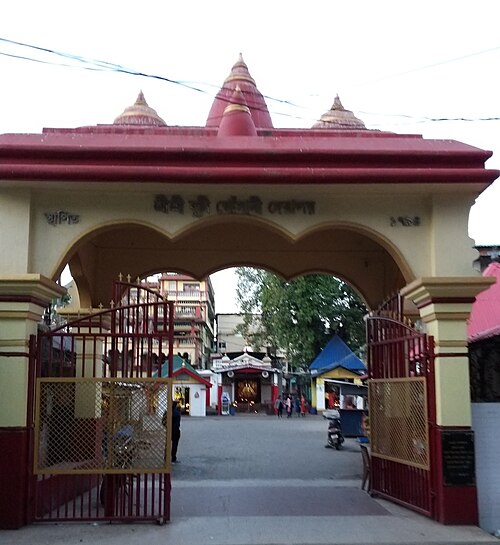
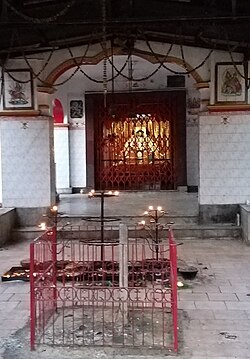
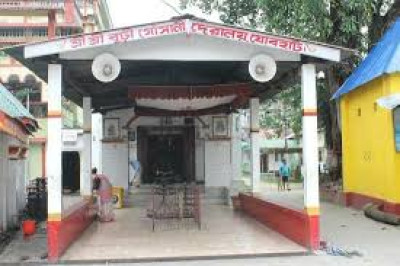
Burhi Gosani Devalaya Jorhat
About Burhi Gosani Devalaya Jorhat
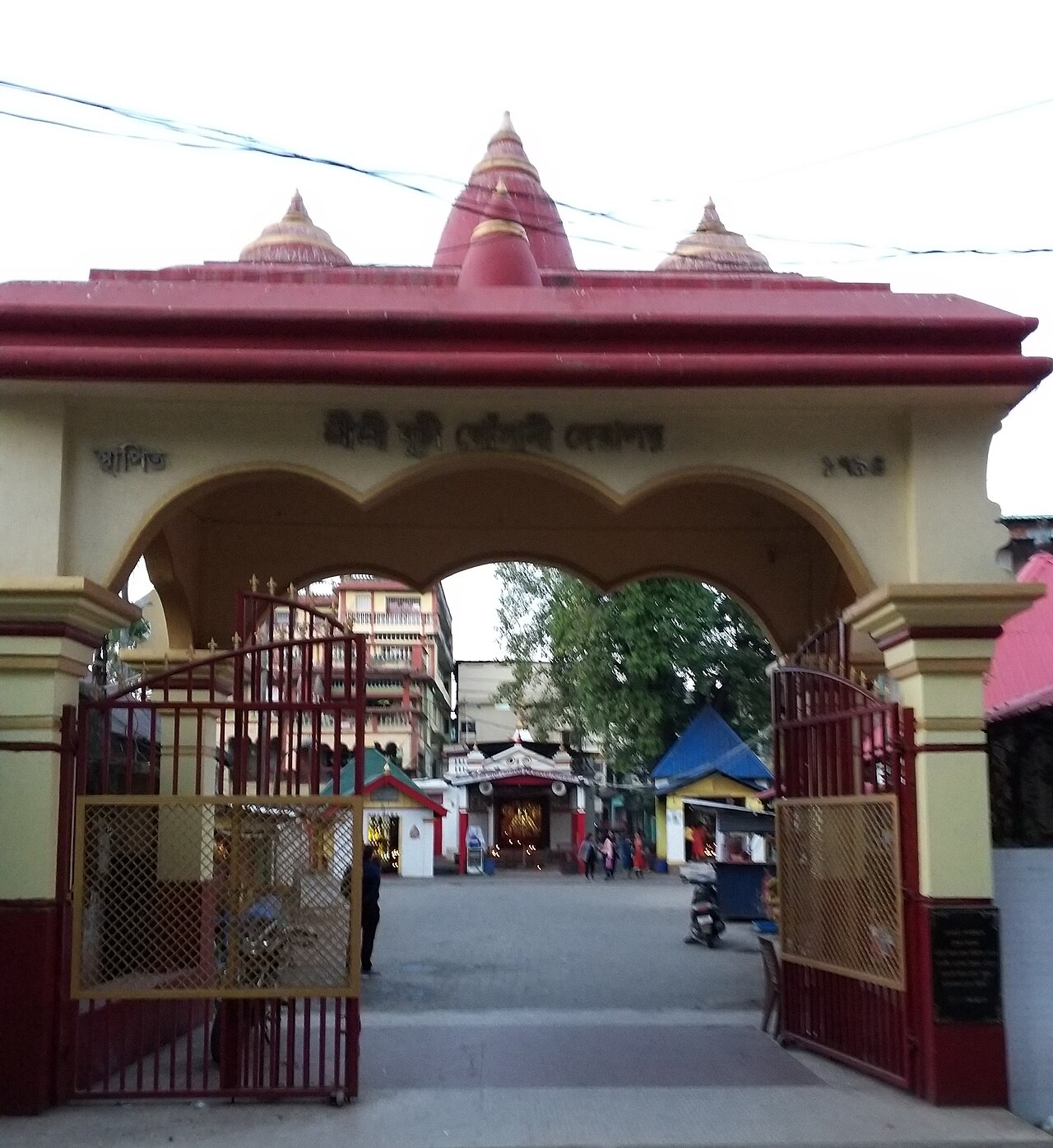
The temple's documented history begins in 1794, when Ahom monarch Gaurinath Singha formally established Burhi Gosani Devalaya in Jorhat. Before this, the goddess had been worshipped at Gargaon, the original Ahom capital, where daily rituals were performed and offerings sent to the royal family. As the Ahom seat of power shifted first to Rangpur and then to Jorhat, the deity was ceremonially moved with the ruling household, reflecting her status as a royal protector.
The temple endured significant hardship during periods of political upheaval. The Moamoria rebellion and Burmese invasions caused severe damage to temple properties and destroyed historical records, including original land grants and copper plates. The shrine survived through public donations and the support of figures such as Raibahadur Radhakanta Handique, who helped secure the present land from the government. The last Ahom king, Purandar Singha, constructed a temporary worship structure that was later replaced by a permanent building erected through community contributions. Though an earlier structure collapsed during an earthquake, the temple was rebuilt and continues as a major religious center.
Priesthood and Daily Worship
The priestly lineage of Burhi Gosani Devalaya traces to the Sanatana family, brought from the Jaintia kingdom alongside the deity. Their descendants maintain the traditional priestly role, holding the title Pujaghariya Baruah, a designation bestowed by the Ahom kings. Daily rituals follow traditional Shakta practices, with the priestly family responsible for conducting worship and maintaining the sacred space.
Historically, the temple's worship included animal sacrifice as part of ancient Shakta ritual practice. The royal family maintained close spiritual ties with the goddess, sometimes carrying her sacred image during journeys outside the capital, underscoring her significance as both a protective and portable divine presence.
Visiting the Temple
The temple is located on Dewal Road in the Gar-Ali area of central Jorhat, at coordinates 26.758888888889, 94.214722222222. It is open daily from 08:00 to 20:00. Visitors should note that festival days may have different hours, and it is advisable to contact the temple before visiting if planning a trip during major observances.
Durga Puja season is noted as the best time to visit, when the temple draws devotees for celebrations honoring the goddess. Temples dedicated to Durga typically observe this festival with special rituals, processions, and community gatherings, though specific details of observances at this temple are not documented in available sources.
Practical Information for Visitors
Modest dress is customary when visiting Hindu temples; visitors should wear clothing that covers shoulders and knees. Shoes are typically removed before entering the inner sanctum. As with most temples, visitors should approach the deity with respect and follow any instructions given by temple staff or priests. Photography policies vary; it is best to ask permission before taking photographs inside the temple.
The temple's address is Dewal Road, Fancy Ali, Gar-Ali, Jorhat, Assam 785001. Jorhat is well connected by road and rail, making the temple accessible to visitors traveling through Upper Assam. The temple remains an active place of worship and an important landmark in Jorhat's religious and cultural landscape, reflecting centuries of Assamese Shakta tradition and Ahom royal heritage.
How to reach

Temples near Burhi Gosani Devalaya Jorhat
Hatigarh Siva Dewalaya
Hatigarh Siva Dewalaya is a Hindu temple dedicated to Lord Shiva located in Podumoni, Jorhat district, Assam. The peaceful shrine features a historic pond and welcomes visitors…

Negheriting Shiva Doul
Negheriting Shiva Doul is an ancient Ahom-era temple dedicated to Lord Shiva, perched on a verdant hillock in Dergaon, Assam, renowned for its classical Panchayatana architectur…
Joysagar Sivadol
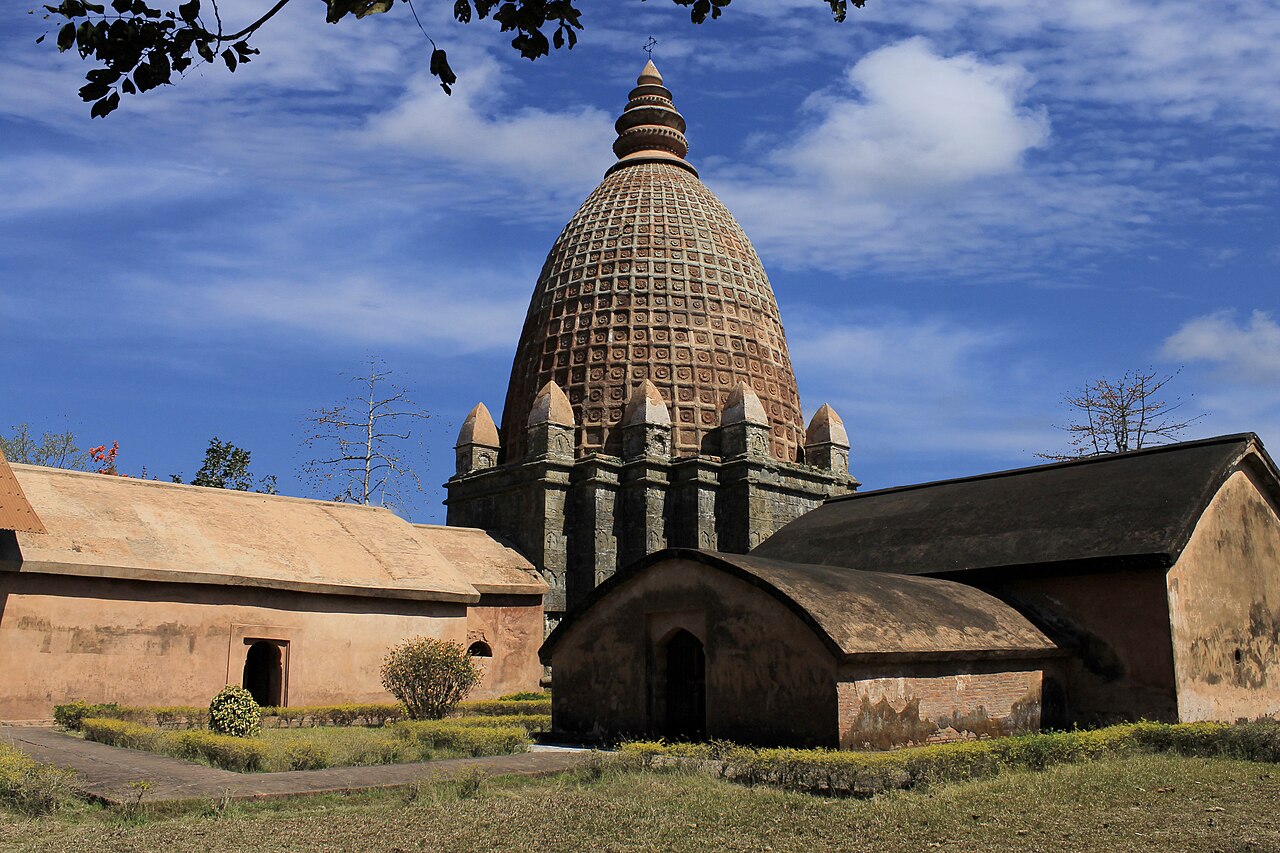
Joysagar Sivadol is a historic brick and stone temple dedicated to Lord Shiva, part of the renowned Joysagar temple complex built by Ahom royalty in 17th-century Assam.
Maghnowa Doul
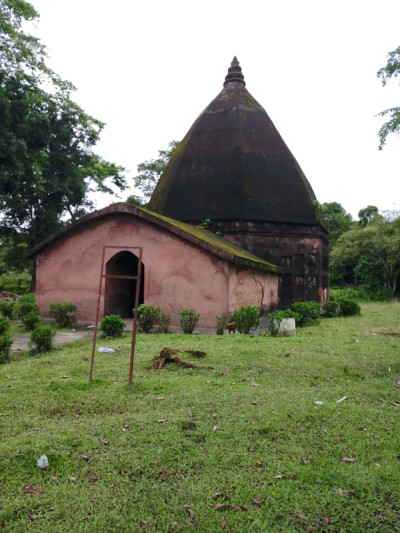
Maghnowa Doul, also known as Phulbari Doul, is a 17th-century Ahom-era temple in Lakhimpur, Assam, dedicated to Goddess Kali and built around 1705 under Swargadeo Rudra Singha's…
Sivasagar Vishnudol
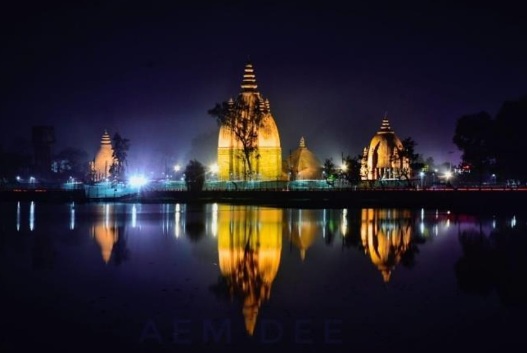
Sivasagar Vishnudol is a historic temple located in Sivasagar district, Assam, dedicated to Lord Vishnu and situated near the sacred Sivasagar Tank complex.
Gorokhiya Doul
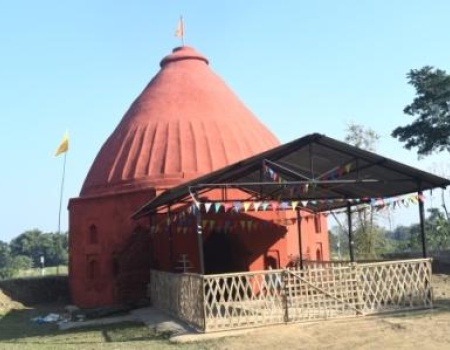
Gorokhiya Doul is a 17th-century brick temple structure built during the Ahom kingdom era, located in Sunpora Gohain near Nazira in Sivasagar district, Assam. The monument faces…