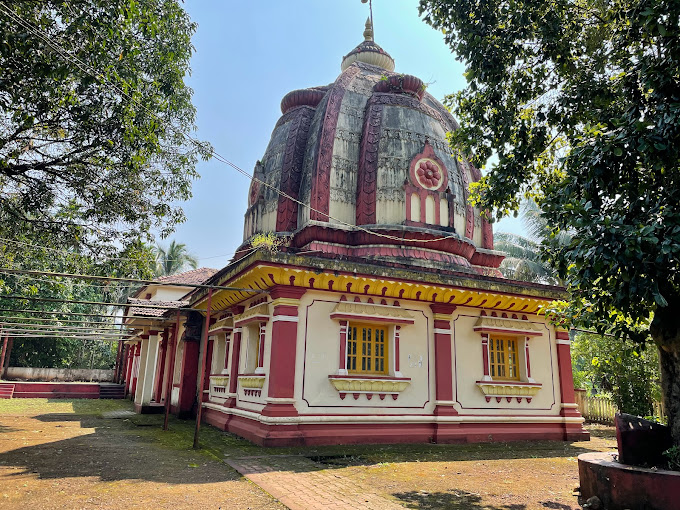
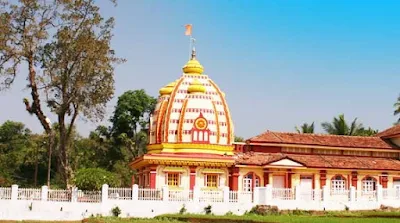
Brahma Temple, Bramha Karmali
About Brahma Temple, Bramha Karmali
The temple's origins trace to the 12th century, during an era when the Kadamba dynasty actively shaped the cultural and religious life of the region. The Kadamba rulers were significant patrons of temple construction and the arts, and their reign left a lasting imprint on Goa's architectural and spiritual traditions. The creation of this Brahma shrine reflects the religious pluralism that characterized the period—a time when diverse forms of worship coexisted and received royal support.
The survival of the temple through subsequent centuries, including periods of significant change in Goa's political and religious landscape, testifies to its importance within local devotional practice. The black stone idol, preserved from the medieval period, remains the temple's most precious asset and a tangible record of Kadamba-era sculptural skill.
The Idol and Its Significance
The 12th-century black stone idol is the spiritual and historical heart of this shrine. Its depiction of Brahma in Trimurti form—simultaneously representing the three principal deities—reflects a sophisticated theological vision. This form of representation allowed worshippers to contemplate the unity underlying the diversity of divine manifestations. The beard, a distinctive feature of Brahma's iconography, marks him as the elder among the trinity and emphasizes his role as the originating force of creation.
The idol's craftsmanship demonstrates the technical mastery of medieval stone carvers. Black stone, chosen for its durability and visual presence, has preserved the sculpture across centuries. For devotees, the idol embodies both the historical continuity of worship at this site and the eternal presence of the deity.
Visiting the Temple
The temple is open daily from 7:00 AM to 9:00 PM, allowing visitors flexibility in timing their visit. It is located in Nagargao village, within Valpoi in Sattari taluka, in the northern part of Goa. The coordinates 15.56954°N, 74.16267°E can assist those using GPS navigation.
Visitors should observe standard temple etiquette: remove footwear before entering the sanctum, dress modestly, and approach the idol with respect. As with most Hindu temples, menstruating women may be restricted from entering the inner sanctum according to traditional practice, though this varies by individual temple custom. It is advisable to check locally or arrive early to understand any specific protocols observed here. Photography policies should be confirmed upon arrival. The temple's modest scale and rural setting mean that facilities such as shops or refreshment stands may be limited; visitors should plan accordingly.
Reaching Nagargao
Nagargao is situated in Sattari taluka in northern Goa. The village is accessible by road from Valpoi, the taluka headquarters. Those traveling to Goa can reach the state by air (Dabolim Airport), rail, or road; from there, local transport or hired vehicles can reach Sattari. The journey from Panaji, Goa's capital, takes several hours by road. Visitors planning to visit should allow time for travel within the rural terrain and confirm local directions, as the temple's location in a village setting means signage may be minimal.
A Living Heritage Site
The Brahma Temple at Bramha Karmali remains an active place of worship and a repository of medieval religious art. Its significance extends beyond its role as a shrine: it documents a chapter of Goa's pre-colonial history and preserves evidence of the region's artistic traditions. For those interested in Hindu temple architecture, the history of the Kadamba period, or the rare phenomenon of Brahma worship in India, this temple offers both spiritual and historical value. Its continued maintenance and use by local devotees ensure that the 12th-century idol remains not merely a museum piece but a living focus of religious devotion.
How to reach
You may also visit
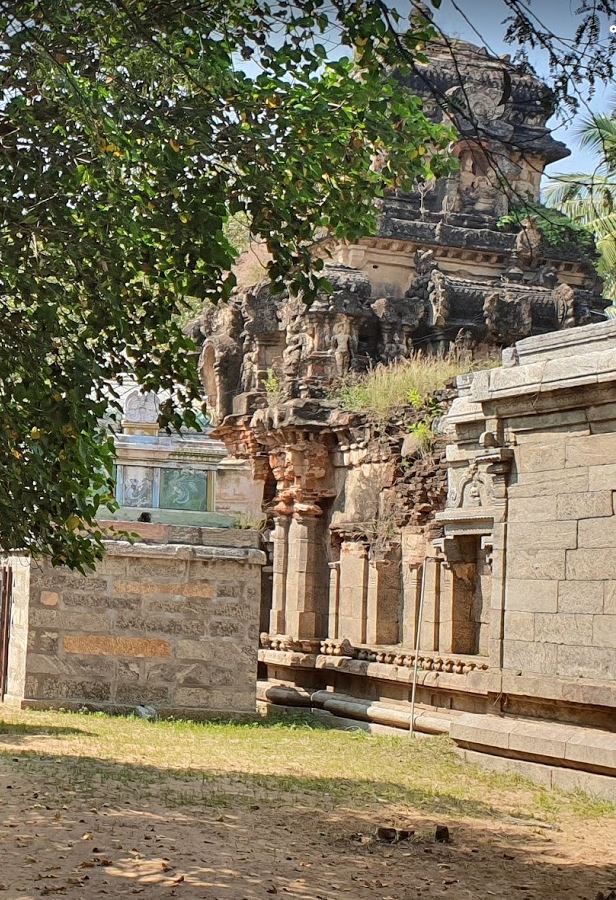
Agatheeswarar Temple, Karur
Agatheeswarar Temple in Thirumukkudalur, Karur district, is an ancient Hindu shrine dedicated to Shiva, situated at the sacred confluence of three rivers and believed to be over 1000 years old.
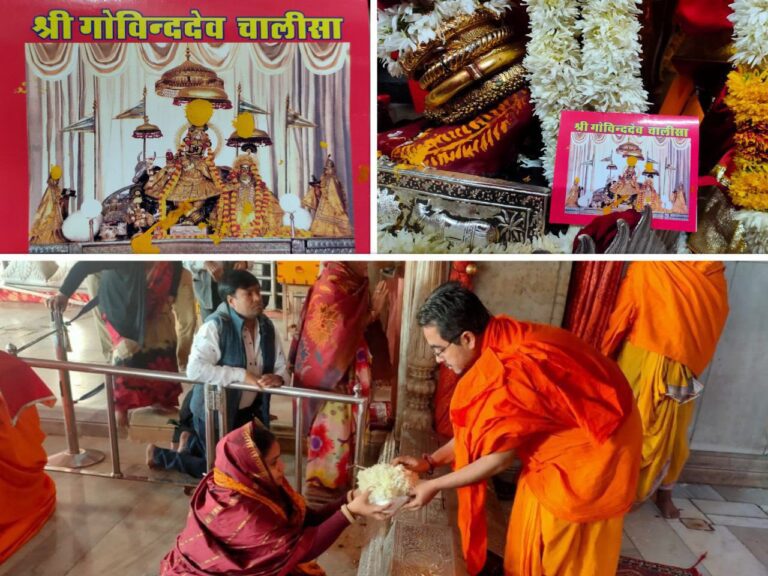
Kalyanji Temple
Kalyanji Temple in Jaipur's Chandpol Bazaar is an ancient Krishna shrine established in the 1820s, renowned for its seven daily aartis and special avatar darshan ceremonies during Akha Teej and Patottsav festivals.
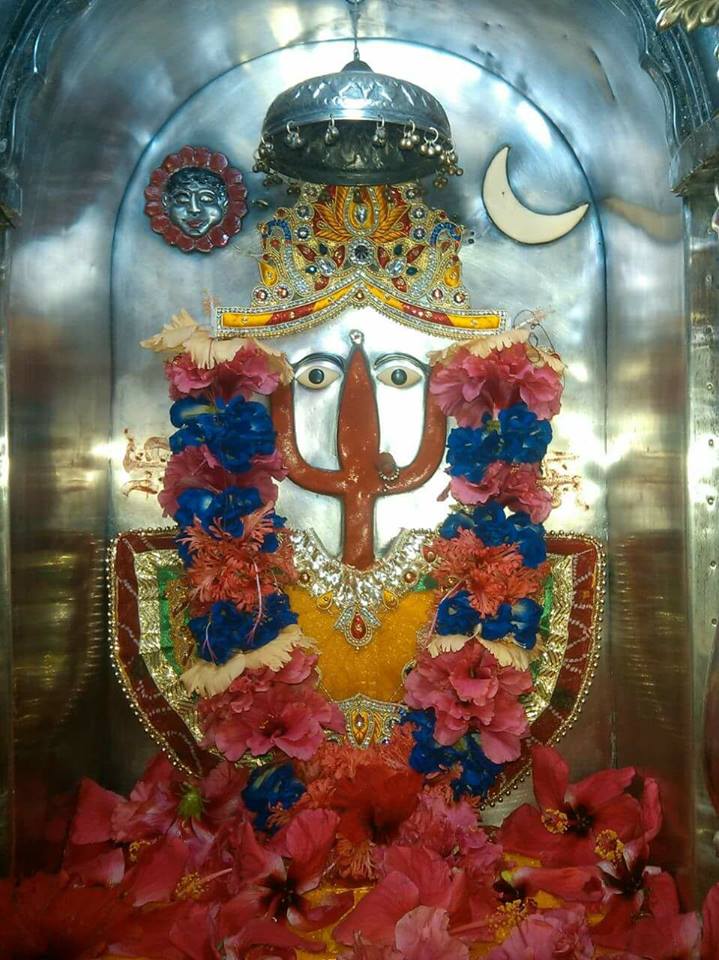
Rani Sati Mandir Mahuda
Rani Sati Mandir in Mahuda, Dhanbad District, is a Hindu temple established in 1992 that serves as a spiritual center for the local community and attracts devotees seeking blessings.