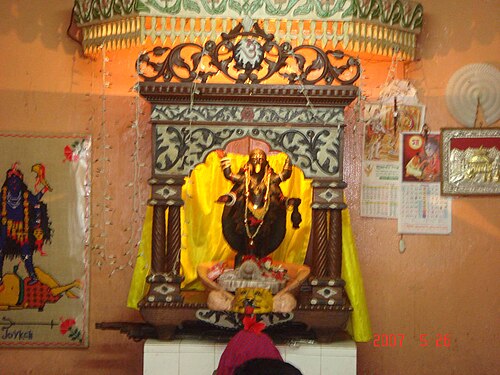


Boro Kali Bari Temple
About Boro Kali Bari Temple
Daily worship at Boro Kali Bari begins after sunset, when the temple comes alive with ritual activity. The lanes surrounding the temple fill with stalls offering sweets, flowers, and other traditional offerings for devotees to present to the goddess. This evening focus reflects the temple's rhythm and the preferences of many worshippers who visit after their daily work.
The temple maintains regular hours for darshan, though the exact timings should be confirmed before travelling, as schedules may shift during festival periods. Entry is free for all visitors. Those planning to visit should dress modestly and respectfully; conservative, clean clothing is customary at temples dedicated to Kali. Shoes are typically removed before entering the sanctum. Visitors are encouraged to approach the deity with a quiet mind and respectful demeanor. Photography policies may vary; it is courteous to ask temple staff before taking images.
Festivals and Celebrations
Kali Puja is the great festival of the temple, drawing crowds of devotees for night-long darshan and offerings. The festival transforms the temple and surrounding area into a vibrant celebration of the goddess. Since 2013, the Kali Bari Kings Club has introduced themed pandals—temporary structures—that retell episodes from Hindu sacred narratives, a practice other local clubs have since adopted, enriching the festival's observance.
Beyond Kali Puja, the temple observes several other significant festivals throughout the year. Durga Puja, Lakshmi Puja, Saraswati Puja, and Manasa Puja are all celebrated here, reflecting the broader Hindu calendar and the interconnected nature of goddess worship in the Shakta tradition. These occasions draw larger crowds and represent the most auspicious times to visit for those seeking a fuller experience of the temple's spiritual life. Festival timings may differ from regular schedules, so confirmation with the temple is advisable if you plan a visit during celebrations.
The Tantric Tradition
Boro Kali Bari is rooted in the Tantric tradition, an esoteric path within Hinduism that emphasises direct communion with the divine through ritual practice and devotion. Temples dedicated to Kali typically serve as centres for this approach to worship, where practitioners engage with the goddess through carefully prescribed rituals and meditative practices. The Tantric understanding of Kali differs markedly from popular misconceptions; she is revered as a liberating force whose fierce appearance masks profound compassion and transformative power.
The temple's significance within this tradition extends beyond its age and location. As a Shakta centre, it represents a living lineage of goddess worship that has sustained itself through centuries of change in the region.
Getting There
Boro Kali Bari is located in Mymensingh, northern Bangladesh, at coordinates 24.7554, 90.4143. The temple sits within easy reach of the city centre, making it accessible for both day visits and longer stays. Local transport—particularly rickshaws—connects the temple to major landmarks and transport hubs within the city. Visitors should use the provided coordinates with a GPS or mapping application for precise navigation.
Those planning a visit should allow time to explore the temple's surroundings, where the atmosphere shifts noticeably during evening hours when daily worship begins and the lanes fill with devotees and vendors. The best time to visit is during the Kali Puja festival season, when the temple's full spiritual and cultural significance becomes apparent.
How to reach
You may also visit
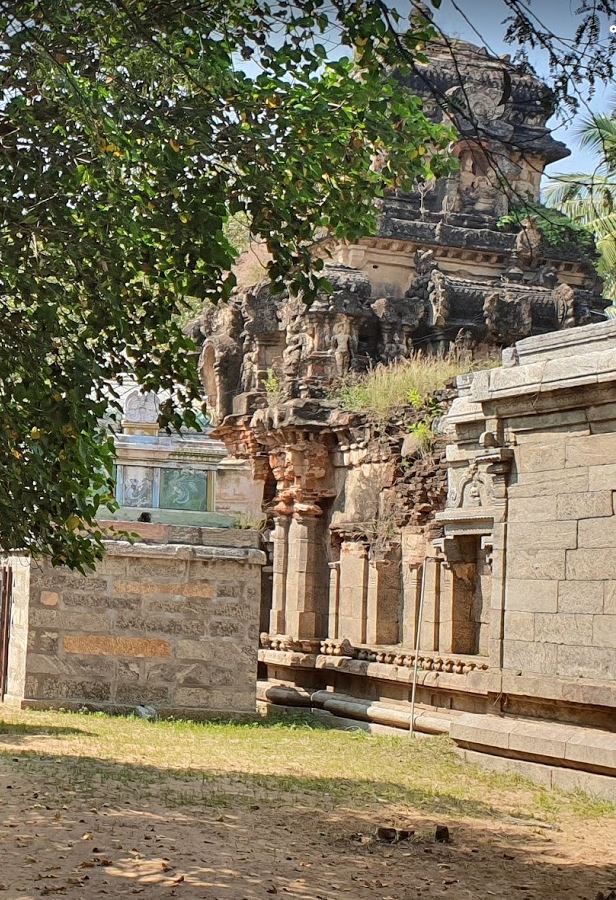
Agatheeswarar Temple, Karur
Agatheeswarar Temple in Thirumukkudalur, Karur district, is an ancient Hindu shrine dedicated to Shiva, situated at the sacred confluence of three rivers and believed to be over 1000 years old.
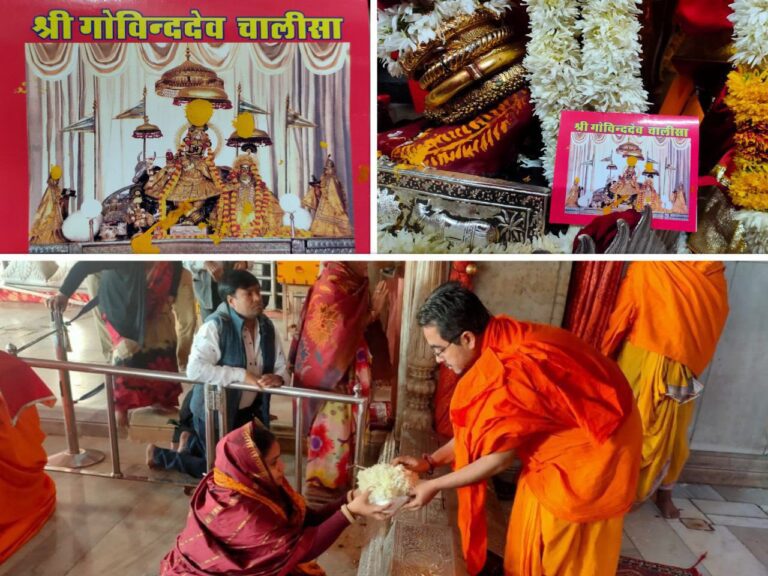
Kalyanji Temple
Kalyanji Temple in Jaipur's Chandpol Bazaar is an ancient Krishna shrine established in the 1820s, renowned for its seven daily aartis and special avatar darshan ceremonies during Akha Teej and Patottsav festivals.
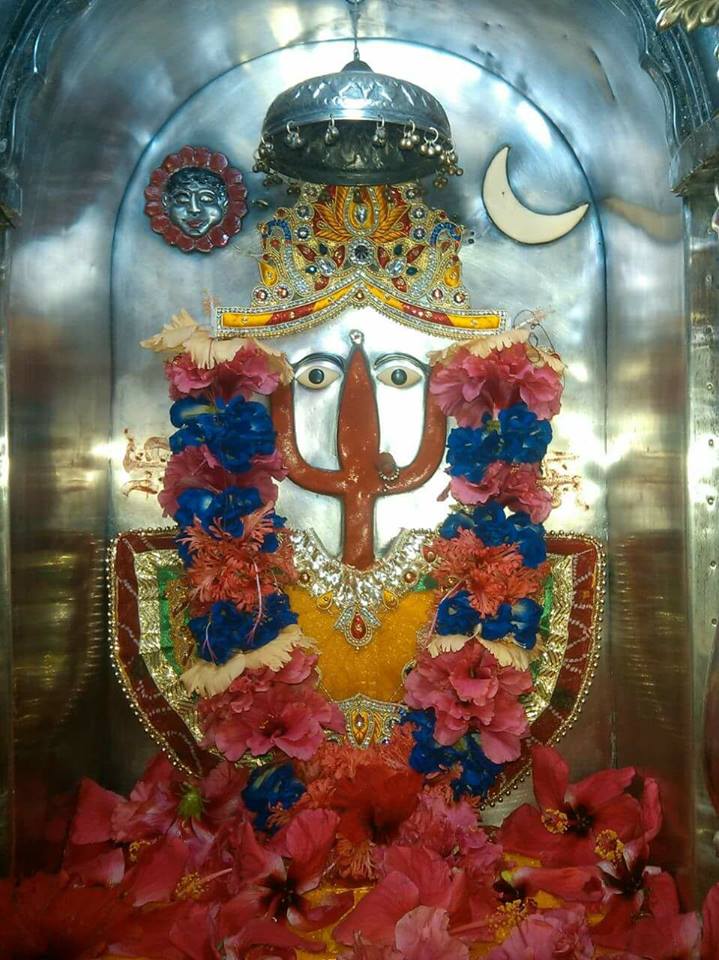
Rani Sati Mandir Mahuda
Rani Sati Mandir in Mahuda, Dhanbad District, is a Hindu temple established in 1992 that serves as a spiritual center for the local community and attracts devotees seeking blessings.