Birla Mandir
About Birla Mandir
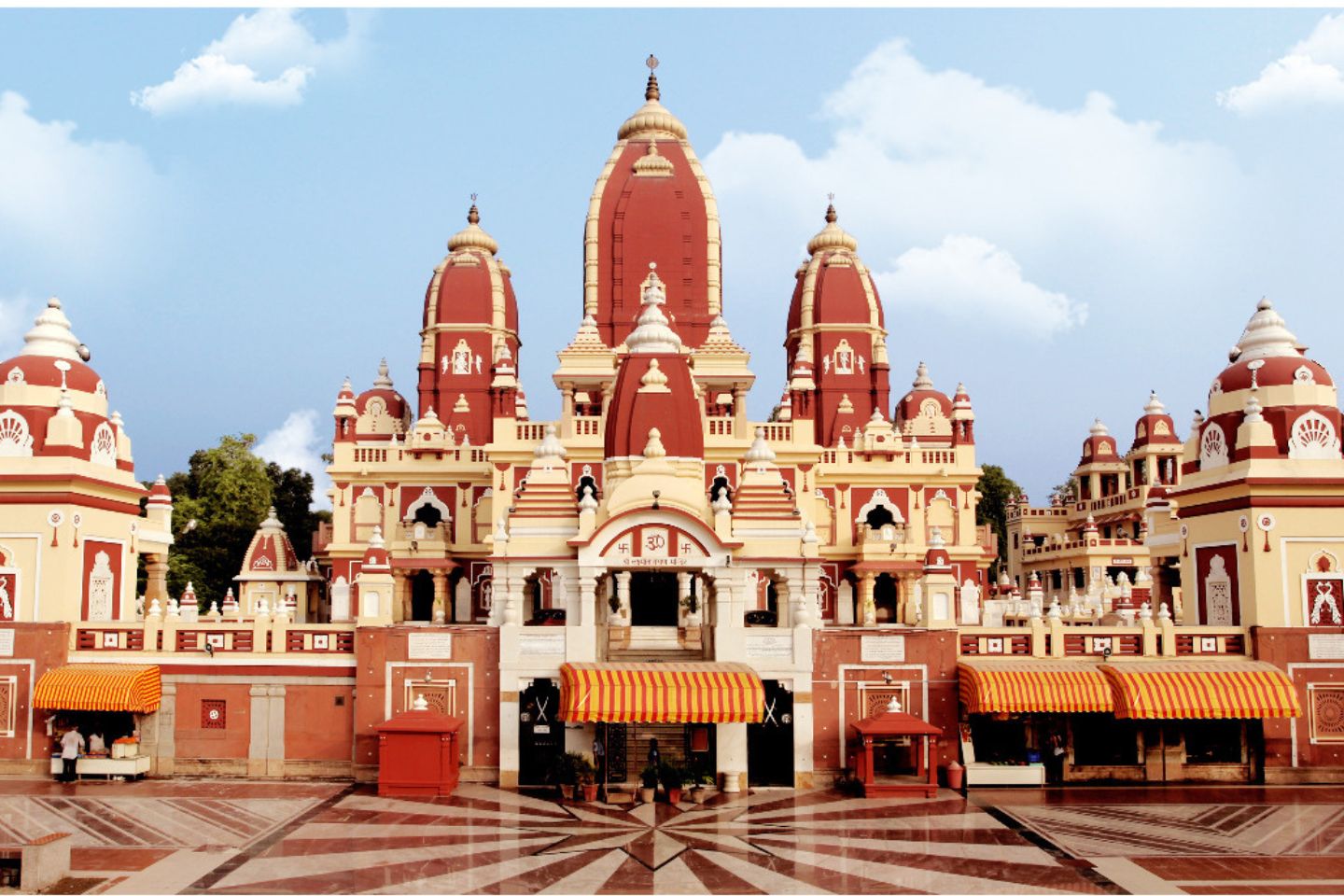
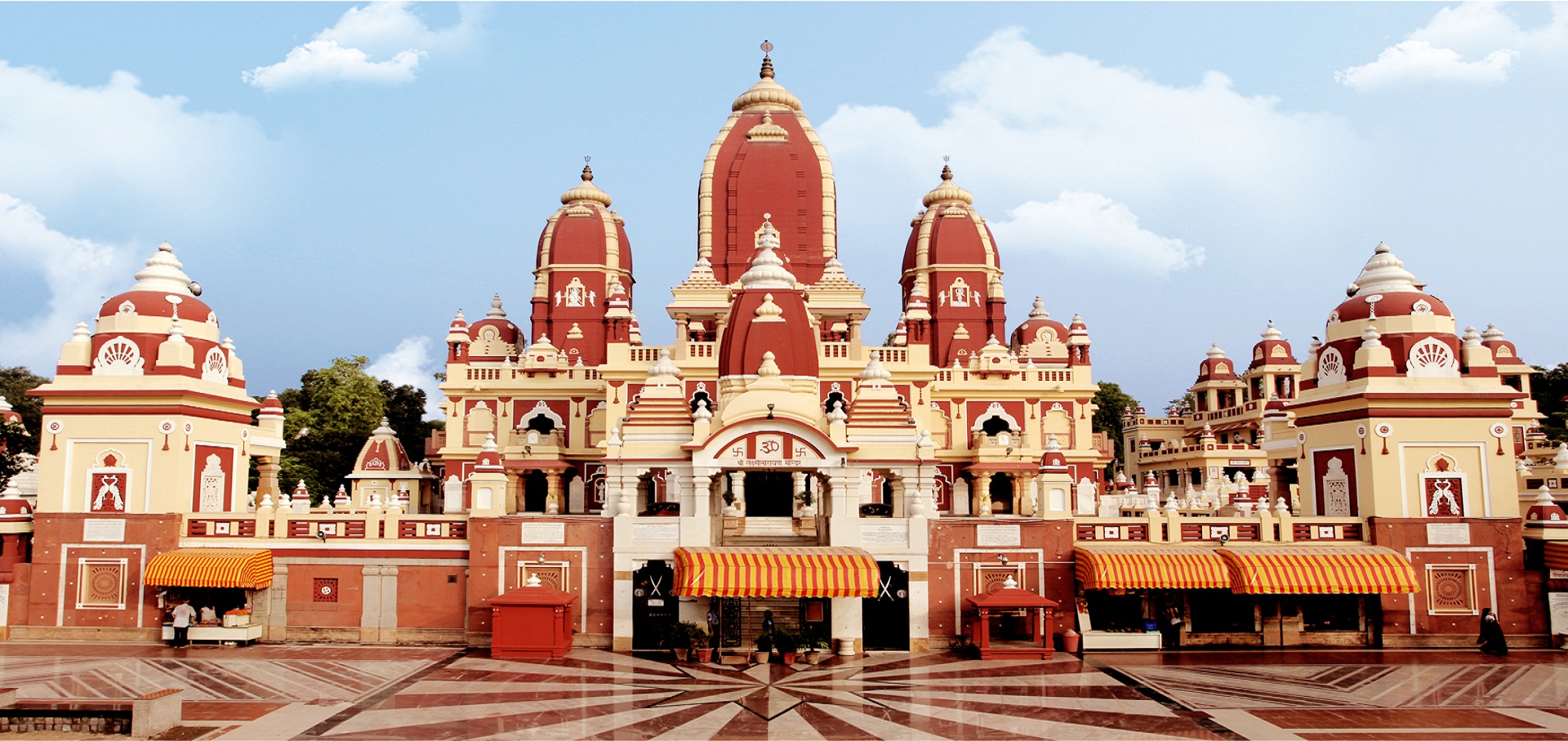
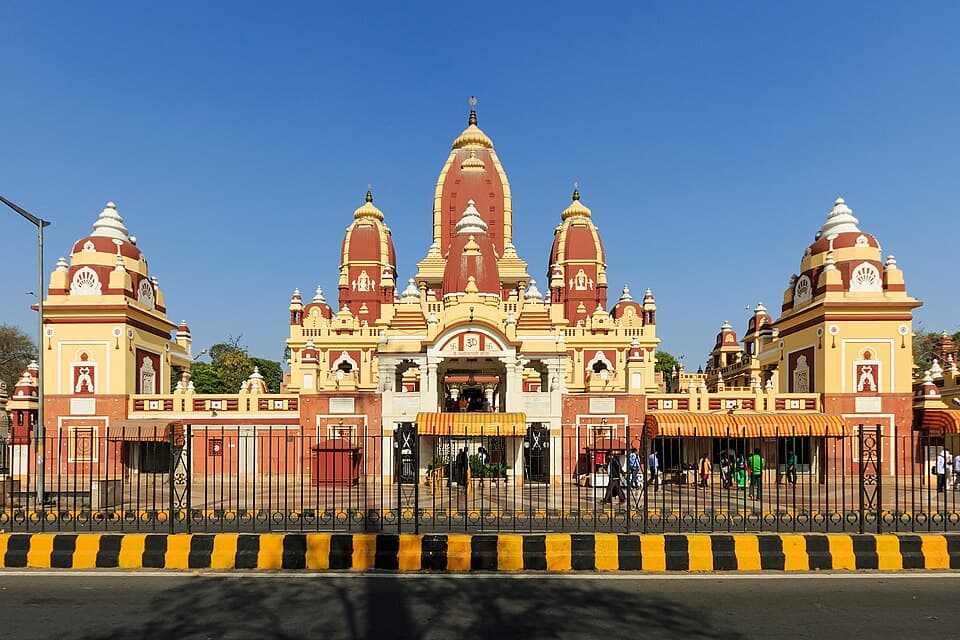
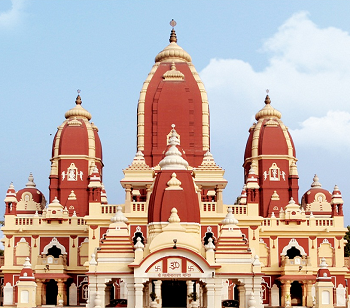
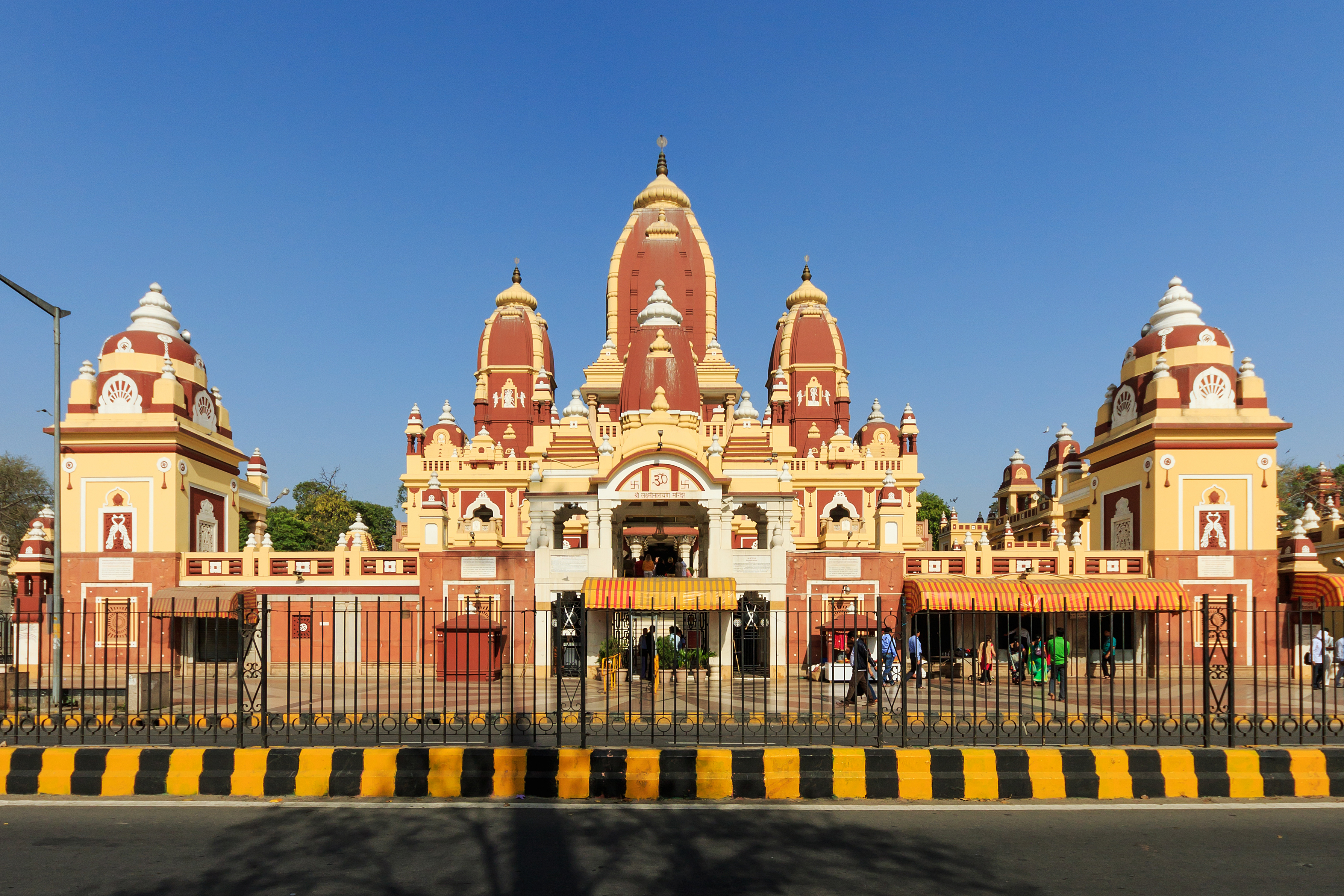
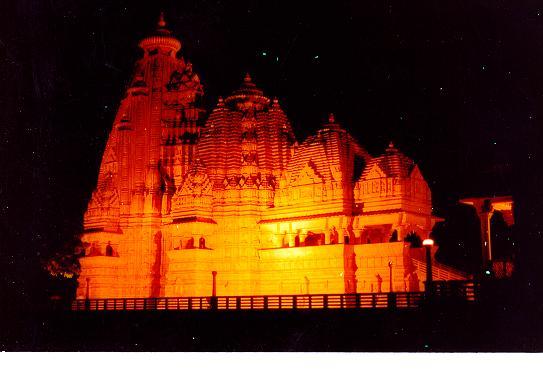
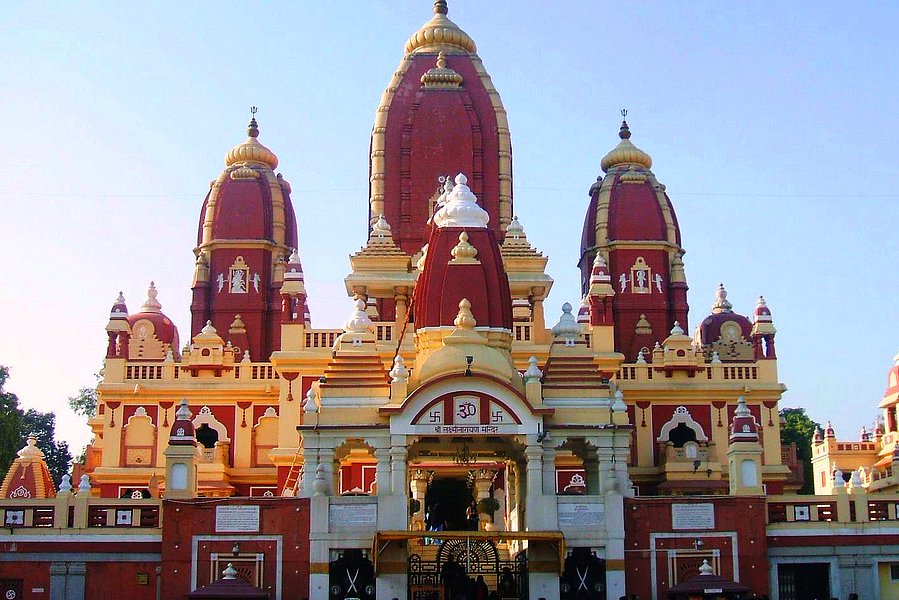
Construction of the Lakshminarayan Temple began in 1933 under the patronage of Raja Baldeo Das Birla and his son Jugal Kishore Birla, prominent industrialists and philanthropists of the Birla family. The foundation stone was laid by Maharaja Udaybhan Singh, and the concluding ceremony and ritual fire sacrifice were performed by Swami Keshavanandji. Mahatma Gandhi inaugurated the completed temple in 1939. The temple represents the Birla family's broader initiative to establish Hindu temples across India—a legacy that would see multiple Birla Mandirs built in different cities, each carefully designed and prominently located to serve their communities.
Layout and Architecture
The temple occupies 6.27 acres and combines religious structures with landscaped grounds. Visitors enter through Welcome Gates and pass through Bhakti Dwar before reaching a Visitors' Center. The main temple is accompanied by the Geeta Bhawan, a space dedicated to scriptural discourse and learning. A notable feature is the Sheesh Mahal of Krishna—described as a unique artistic work. The grounds include a large garden with fountains, animal sculptures, caves, and various shrines. A prasadam facility offers food and refreshments. The temple's design reflects careful planning to manage the flow of large numbers of visitors while maintaining spaces for worship and contemplation.
Daily Worship and Aarti Timings
The temple observes a structured daily worship schedule. Darshan (viewing of the deity) is available Monday to Saturday from 4:30 AM to 1:30 PM and again from 2:30 PM to 9:00 PM. On Sundays, the temple remains open continuously from 4:30 AM to 9:00 PM. The day begins with Mangala Aarti at 4:30 AM. Additional aartis are performed at 5:30 AM and 7:00 PM during summer months, and at 6:15 AM and 6:30 PM during winter. The Shayan Aarti, performed in the evening, concludes the day's worship. These rituals follow the traditional Hindu practice of marking the day's transitions with ceremonial worship and the waving of lamps before the deity.
Visiting Information and Practicalities
The temple welcomes all visitors without discrimination. The best time to visit is during the cooler months from October to March. Visitors should plan their visit around the darshan timings, noting the midday closure from 1:30 PM to 2:30 PM. The temple is located in New Delhi at coordinates 26.8921609, 75.8155296. For inquiries, contact can be made through the temple's phone numbers or email. The temple's website and chat service can provide specific information about visiting arrangements. Modest dress is customary when entering Hindu temples. The presence of a Visitors' Center suggests facilities for orientation, and the prasadam area provides sustenance during longer visits.
Festivals and Special Observances
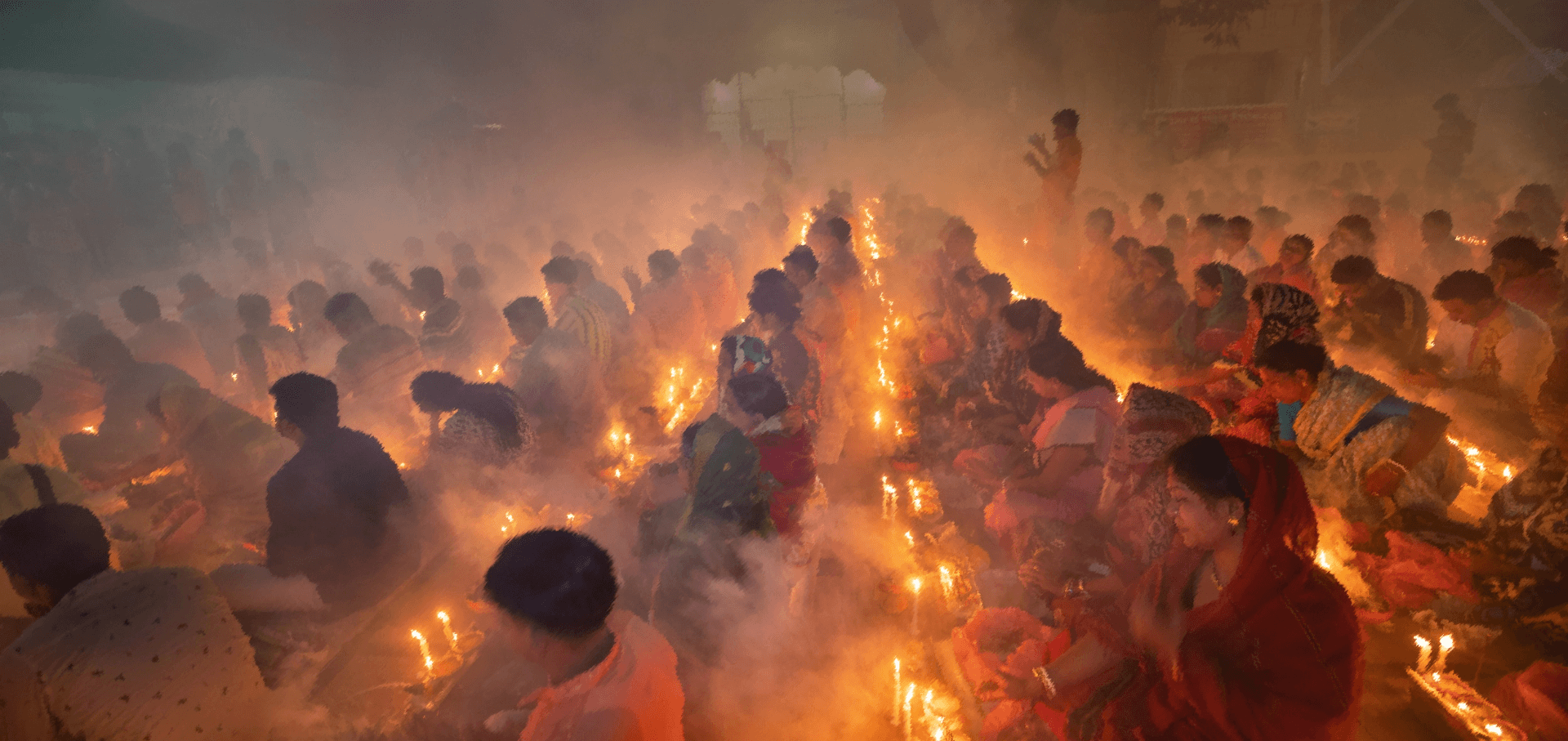
The temple attracts particularly large numbers of devotees during major Hindu festivals. Janmashtami, celebrating the birth of Krishna, and Diwali, the festival of lights, are noted as occasions drawing millions of visitors. The temple also maintains a Yagshala where ritual fire sacrifices can be performed, reflecting traditional Vedic practices. Local belief holds that regular worship at the temple for fourteen consecutive days brings spiritual benefit, and that performing rituals here fulfills devotional wishes. These observances reflect the temple's role as an active center of Hindu religious practice rather than merely a historical monument.
How to reach
Temples near Birla Mandir
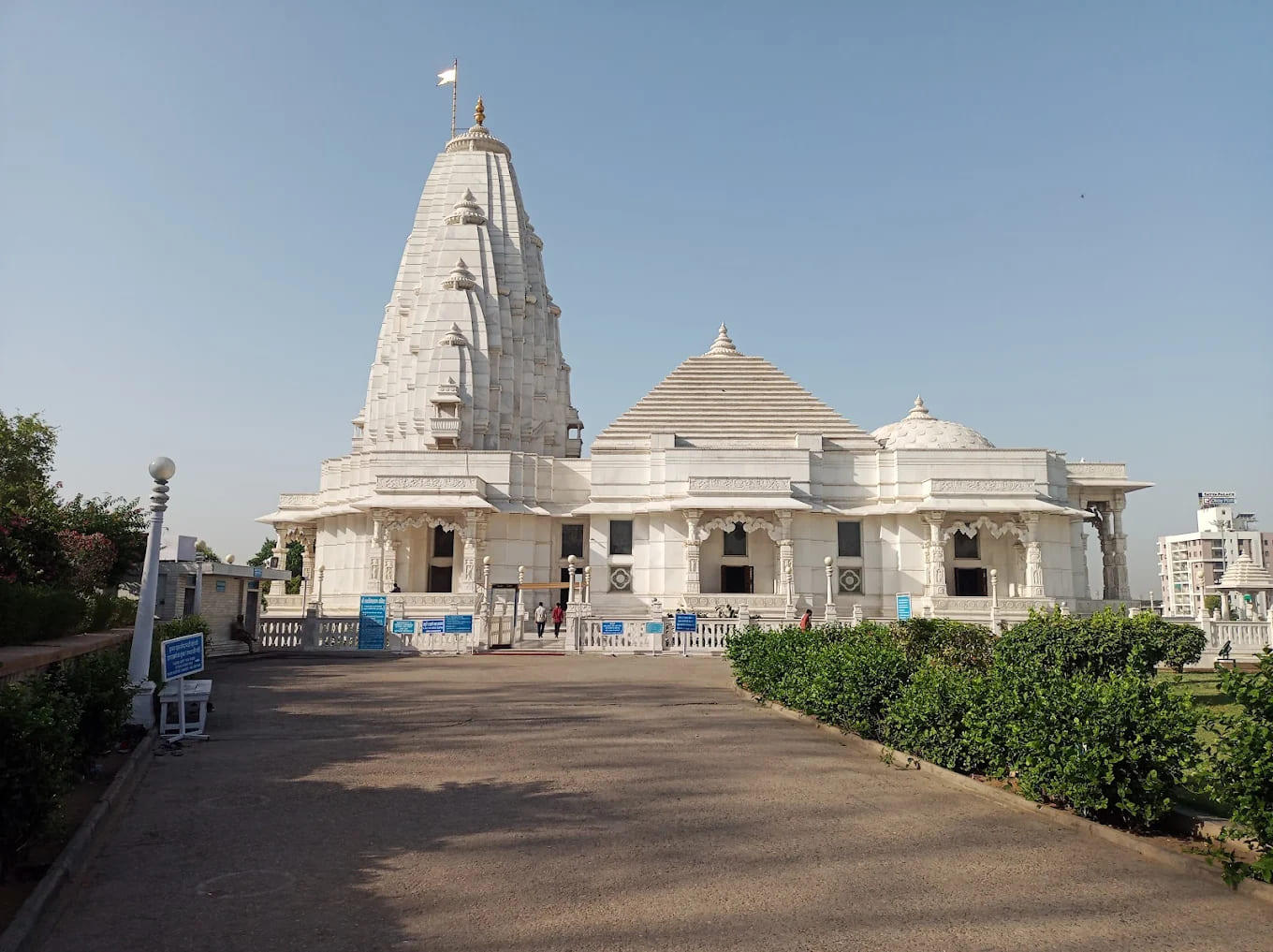
Birla Mandir, Jaipur
Birla Mandir in Jaipur is a modern white marble temple dedicated to Lakshmi and Vishnu, built by the B.M. Birla Foundation in 1988 and situated on Moti Dungari Hill in the Tilak…
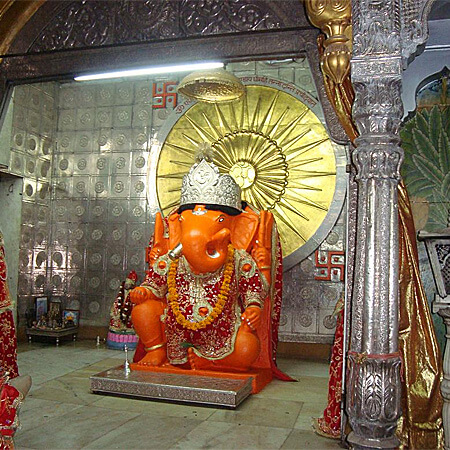
Moti Dungri
Moti Dungri Ganesh Temple in Jaipur is a highly revered shrine dedicated to Lord Ganesha, attracting devotees especially on Wednesdays and during Ganesh Chaturthi celebrations.
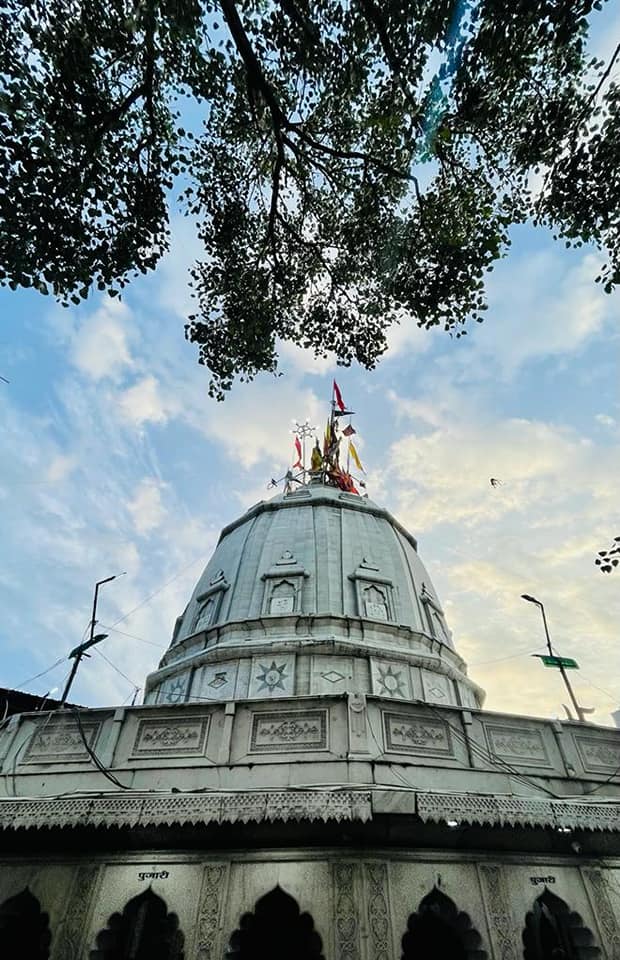
Kalki Mandir
Kalki Mandir in Jaipur's Sireh Deori Bazar is an 18th-century Hindu temple built by Jai Singh II, housing idols of Kalki (Vishnu's tenth incarnation) and Lakshmi, with a distinc…
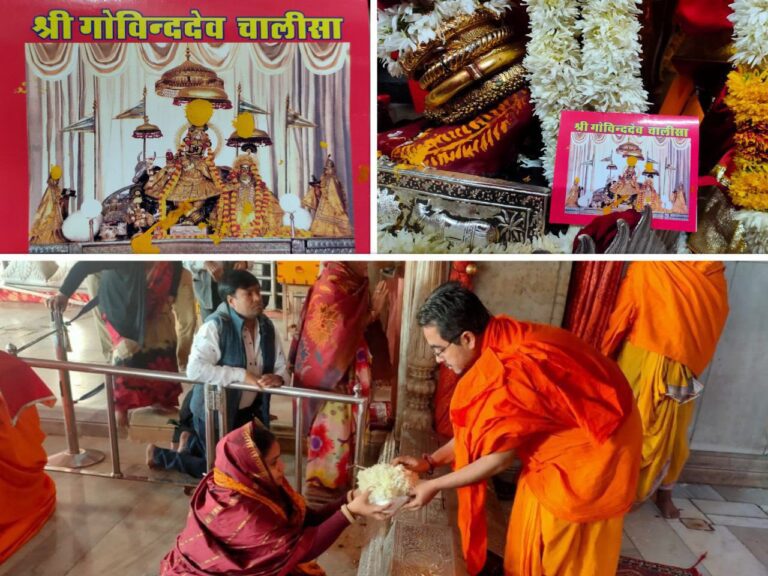
Govind Dev Ji Ka Mandir
Govind Dev Ji Temple in Jaipur's City Palace complex is a prominent Vaishnava shrine housing the deities of Radha and Krishna, brought from Vrindavan by Maharaja Jai Singh II in…
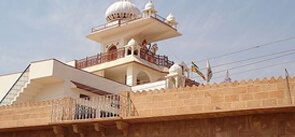
Tejaji Temple
Tejaji Temple in Jaipur's Jhotwara area is dedicated to Tejaji, a folk deity and Lok Devta of Rajasthan. The shrine observes daily rituals with Sandhya Aarti at 19:00 and celebr…
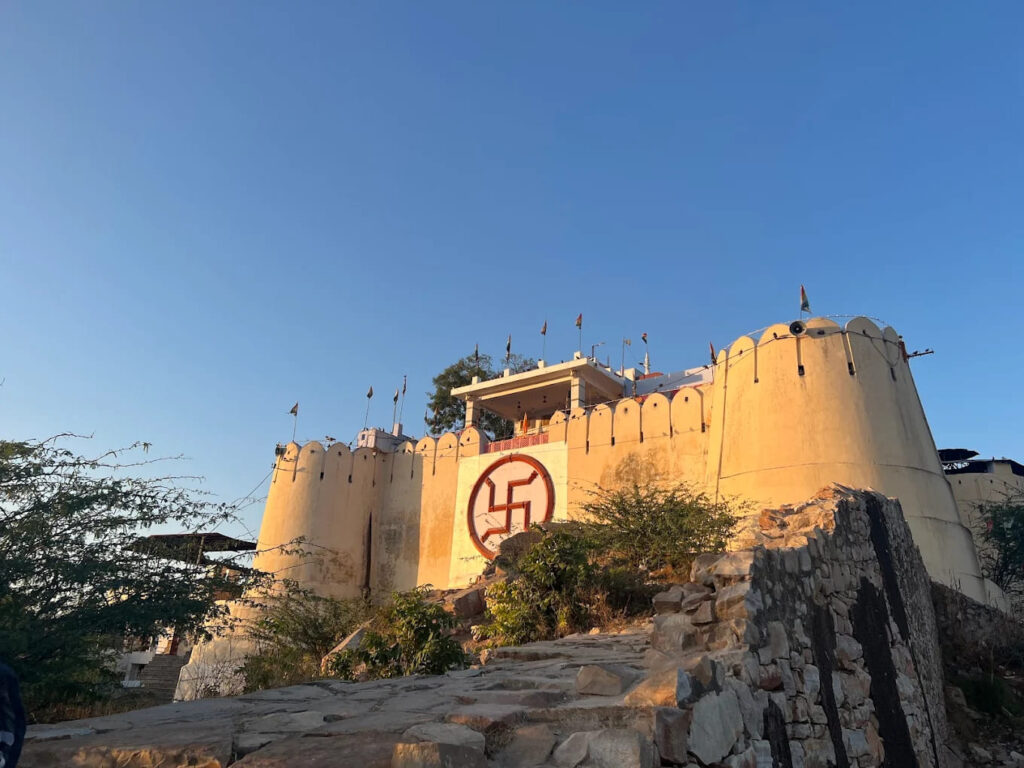
Garh Ganesh Temple
Garh Ganesh Temple, perched on Jaipur's Aravalli hills, enshrines a rare trunkless idol of Lord Ganesha in child form, believed to grant prosperity and remove obstacles.