Bhitargaon Temple
About Bhitargaon Temple
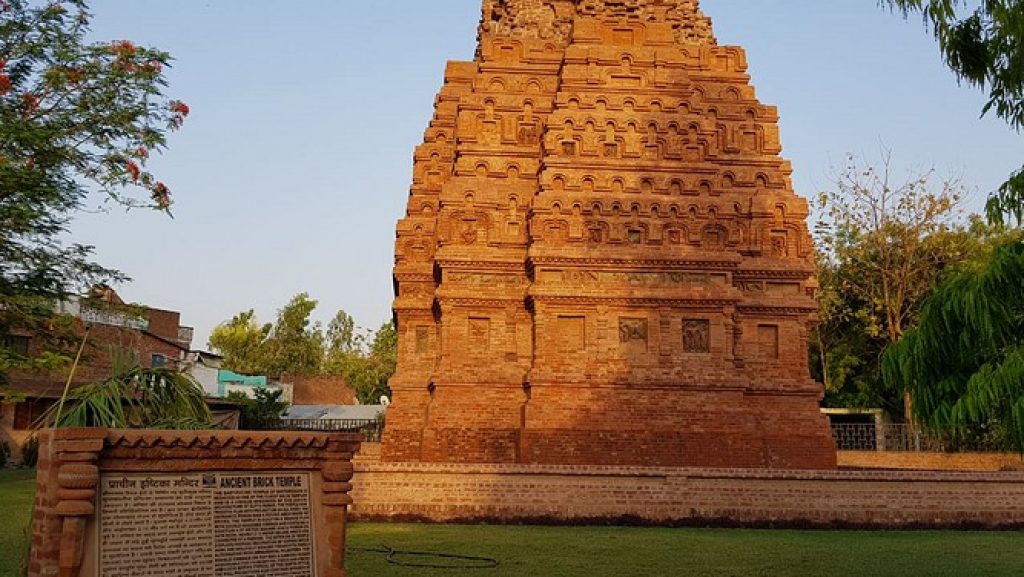
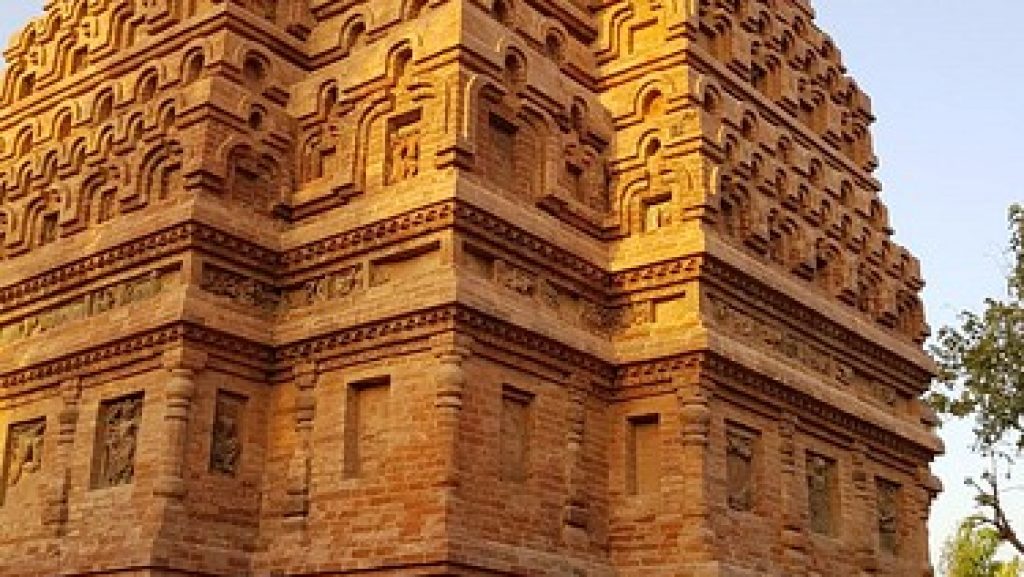
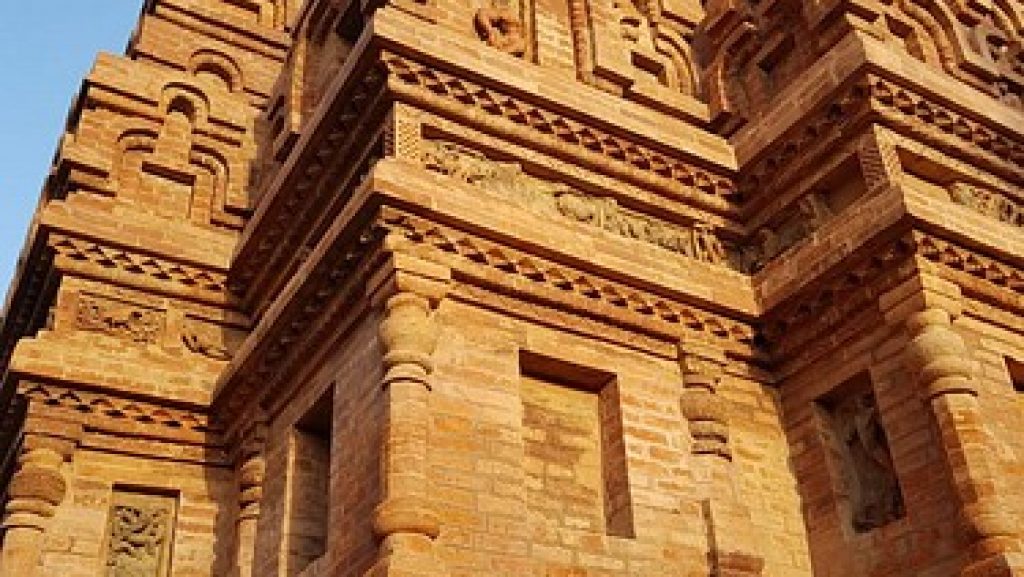
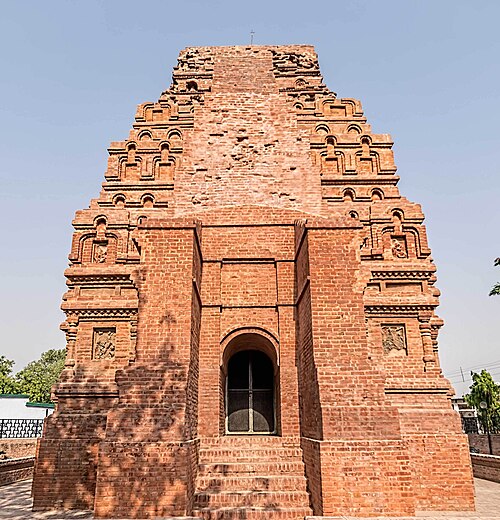
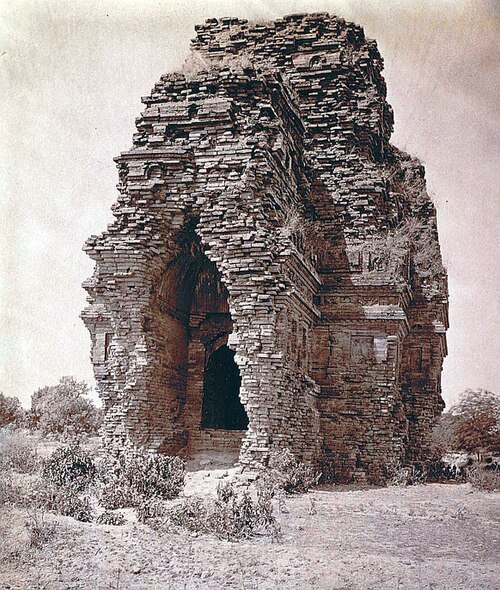
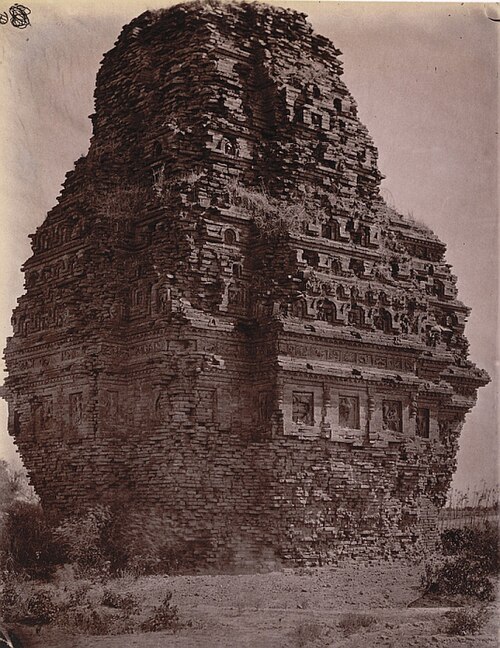
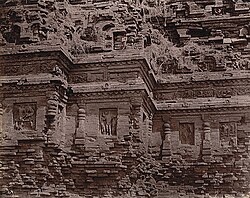
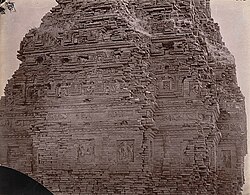
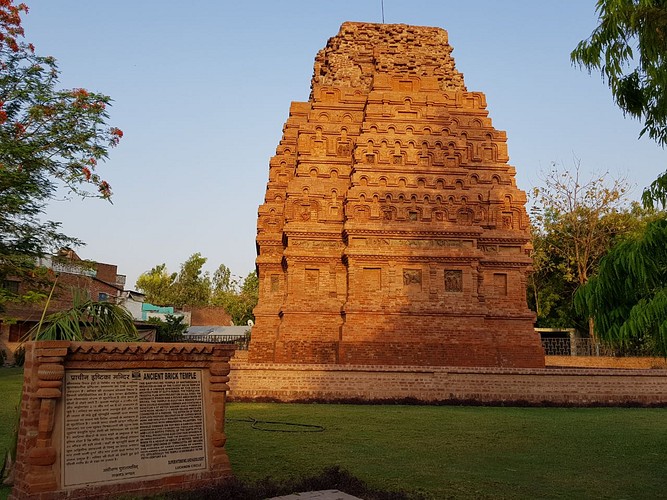
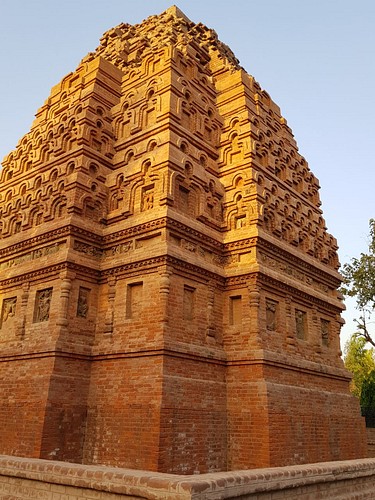
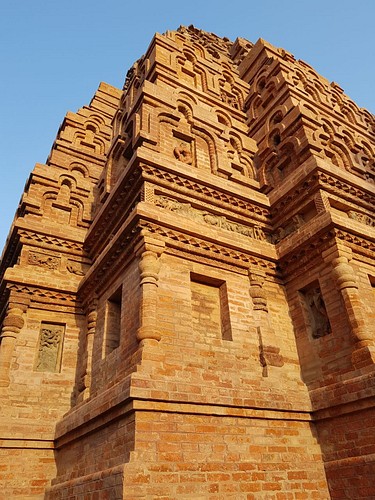
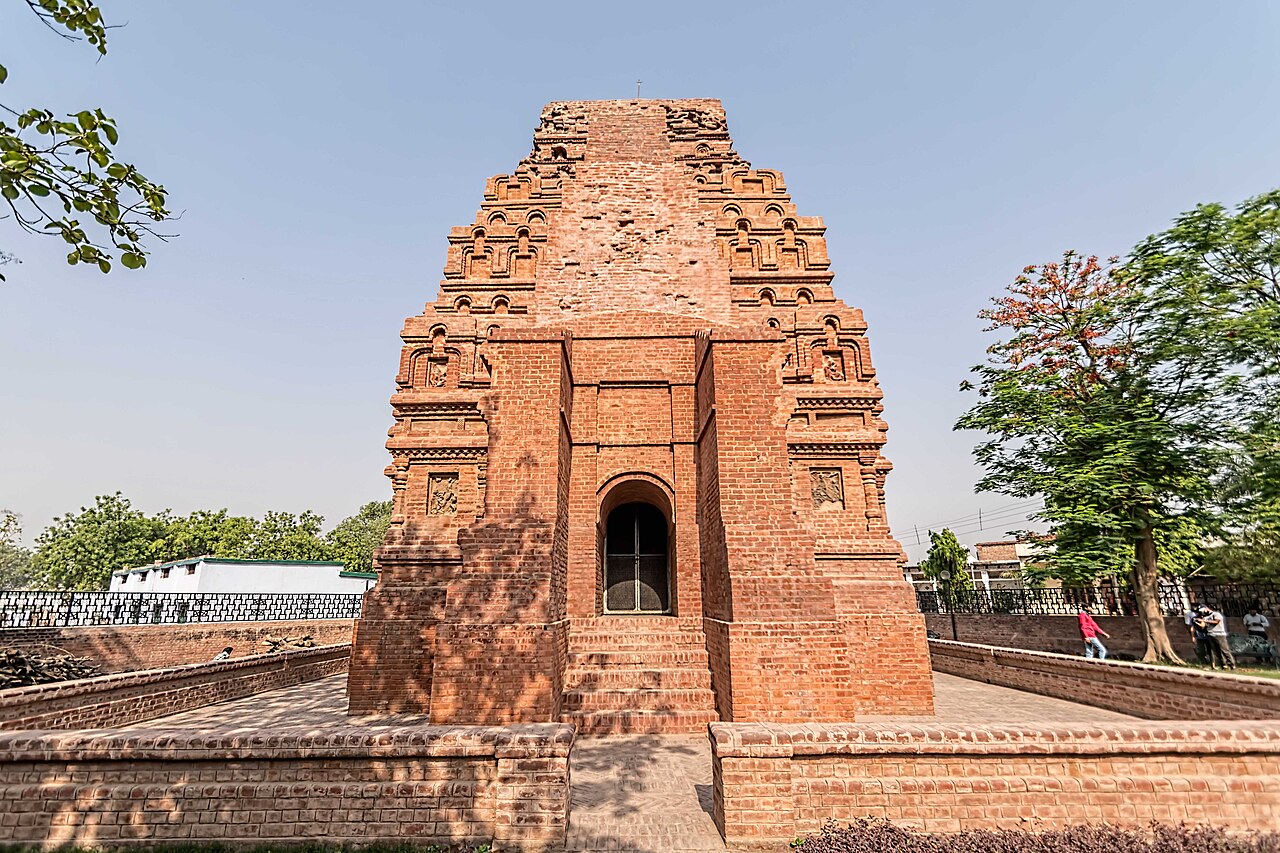
The temple follows a square plan with double-recessed corners and is oriented to face east. Its most distinctive feature is the tall pyramidal spire, or sikhara, that rises above the inner sanctum (garbhagriha). The entire structure is built from terracotta brick, with decorative terracotta panels adorning the walls. These panels depict aquatic monsters and representations of Shiva and Vishnu, demonstrating the theological scope of the shrine's original conception.
The building has sustained damage over time. The upper chamber was compromised during the 18th century, and when the archaeologist Cunningham visited the site, portions of the porch and ardhamandapa (pillared hall) were still standing, though these have since collapsed. Despite these losses, the core structure—the sanctum and its spire—remains substantially intact, preserving the essential form of a Gupta-era temple.
Visiting the Temple
The temple is located in Bhitargaon village, Kanpur Nagar district, approximately 50 kilometers from Kanpur city. Visitors can reach it by road from Kanpur Central railway station or Kanpur Chakri airport, both of which have local transport connections to the site. The temple functions as an active archaeological site as well as a place of worship.
No specific visiting hours or entry fees are documented in available sources. Visitors should dress modestly when approaching the shrine, as is customary at Hindu temples. Before entering, inquire locally about current worship practices and any restrictions on photography or access to particular areas. The site's age and structural condition mean that visitors should move carefully and respect any barriers or guidance from temple staff.
Historical Significance
The Bhitargaon Temple belongs to the architectural tradition of the Gupta period, an era marked by refinement in stone and brick construction across northern India. Its use of terracotta as the primary building material, combined with its architectural sophistication, makes it a rare surviving example of this technique applied to a large-scale religious structure. The decorative panels and sculptural elements reflect the iconographic interests of its time, with particular emphasis on Shaivite and Vaishnava imagery.
The temple's history after its construction remains largely undocumented. The 18th-century damage to the upper chamber suggests a period of neglect or conflict, though the specific circumstances are not recorded. Its rediscovery and documentation by Cunningham in the 19th century brought it to scholarly attention and helped establish its place in the history of Indian architecture.
What to Bring and Know
The site is located in the Kanpur Nagar district of Uttar Pradesh, in the Indo-Gangetic plains. Visitors should prepare for the local climate and bring water, particularly during warmer months. Comfortable walking shoes are advisable, as the ground around the temple may be uneven. A camera is useful for documenting the terracotta panels and architectural details, though permission should be sought before photographing.
The temple is best understood as both a living shrine and an archaeological monument. Respect for both its religious and historical significance is important. If visiting during worship times, participate quietly and follow the guidance of those conducting rituals. The site offers modest but genuine historical value for those interested in early medieval Indian architecture and the development of Hindu temple design.
Getting There
From Kanpur city, the temple is approximately 50 kilometers away by road. Kanpur Central railway station and Kanpur Chakri airport serve as the main transport hubs. Local vehicles and taxis are available from the city to reach Bhitargaon village. The journey takes roughly one to two hours depending on traffic and road conditions. Plan for a visit of one to two hours to examine the structure and its decorative elements carefully.
How to reach
Temples near Bhitargaon Temple
Vandevi Temple, Renukoot
Vandevi Temple in Renukoot is dedicated to Vandevi, the goddess of forests. The temple's idol was discovered during construction of the nearby Rihand Dam.
Vandevi Temple
Vandevi Temple is a forest goddess shrine located near the Rihand Dam in Sonbhadra, Uttar Pradesh, where devotees seek blessings for protection and prosperity in a landscape sha…
Valmiki Ashram
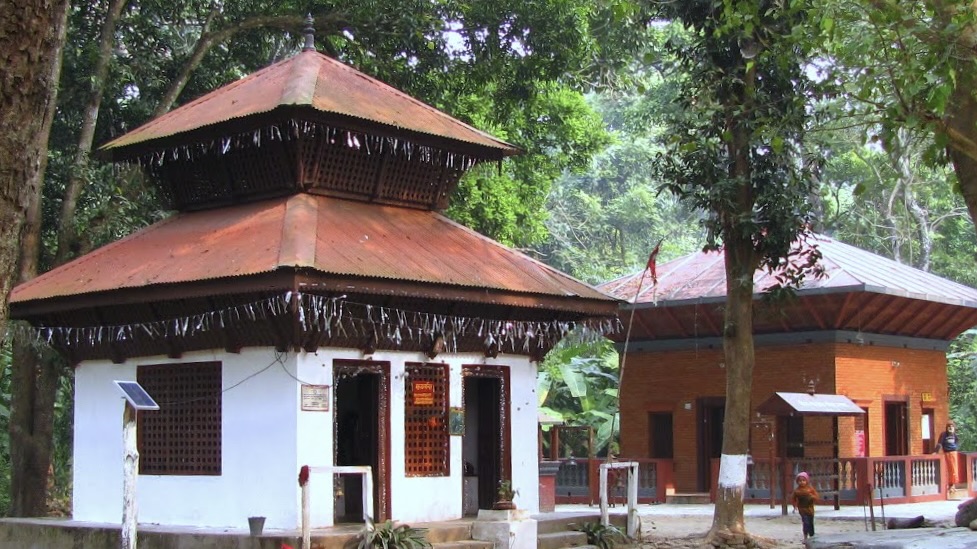
Valmiki Ashram is a Hindu temple situated within Chitwan National Park in Nepal's Chitwan district, near the sacred confluence of three rivers. It honors Rama, Sita, and the sag…

Parhul Devi Temple
Parhul Devi Temple is a shrine dedicated to the Hindu goddess Durga located in Lamahra village, Kanpur Dehat district, Uttar Pradesh. Devotees visit seeking divine protection, c…
Sri Aastik Swami Mandir, Raebareli
Sri Aastik Swami Mandir in Lalupur, Raebareli is a Hindu temple dedicated to Sri Aastik Swami, the Lord of Snakes, situated on the banks of the River Sai. The temple is renowned…

Sri Ramakrishna Math, Lucknow
Sri Ramakrishna Math in Lucknow is a monastic spiritual center dedicated to the teachings of Sri Ramakrishna, Holy Mother Sarada Devi, and Swami Vivekananda, welcoming devotees…