
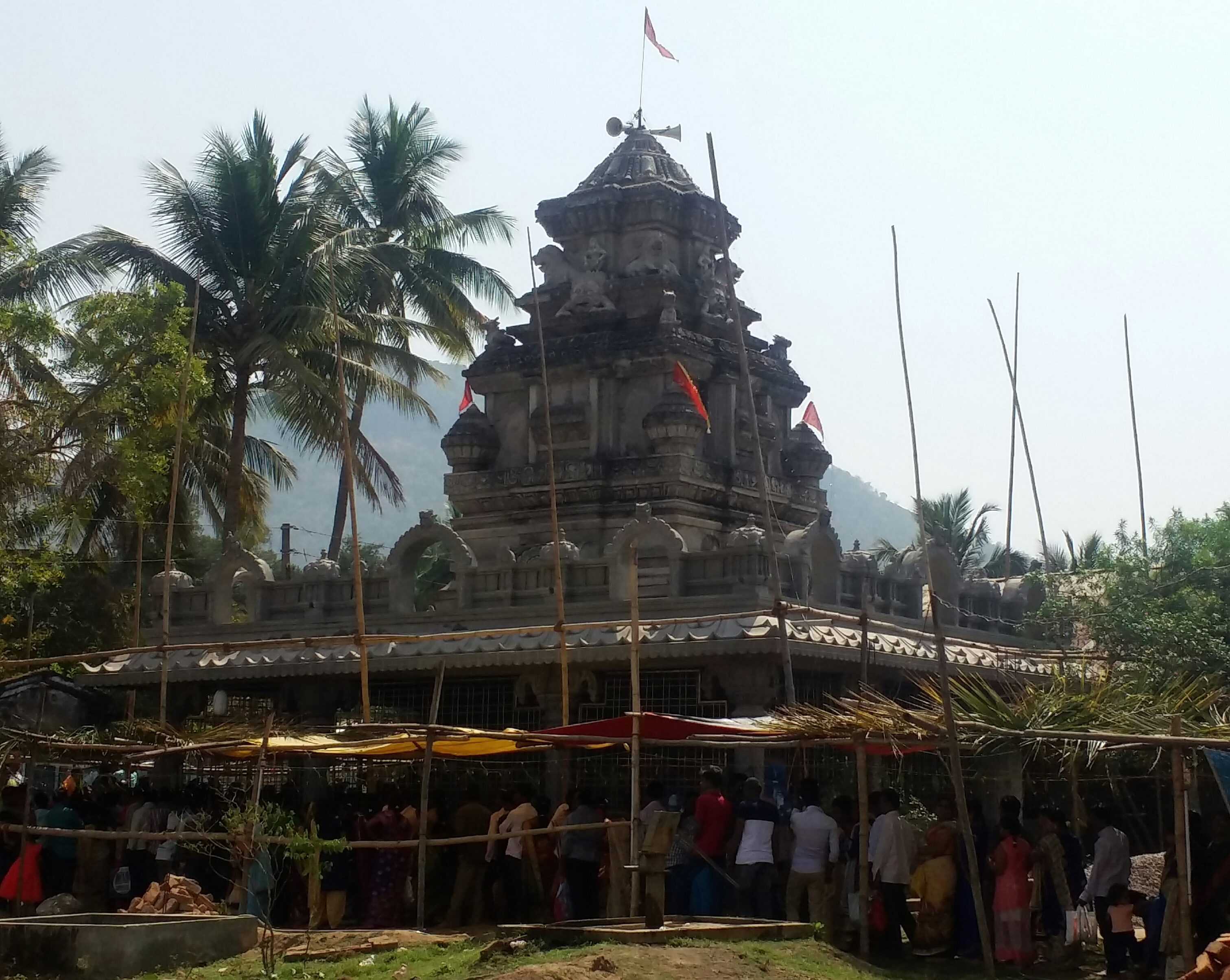
Bhimashankar Jyotirlinga (Dakinyam), Bhimpur
About Bhimashankar Jyotirlinga (Dakinyam), Bhimpur
Throughout the year, the temple marks numerous festivals with special pujas and ceremonies. Major observances include Gudhi Padwa in spring, Akshaya Tritiya, Vijayadashami in autumn, Diwali, Maha Shivratri, and Holi. During Tripurari Poornima, the temple conducts extended worship from early morning through noon, followed by a Mahaarti and a significant Palkhi ceremony—a procession carrying the deity's palanquin—that circumambulates the sacred landscape, visiting nearby temples including Kamalja Devi before returning. On Maha Shivratri, the temple hosts a Yatra (pilgrimage gathering) with special rituals extending into the night. These festivals draw increased numbers of devotees and typically involve additional pujas, offerings, and ceremonial activities beyond the daily routine.
Conduct and Etiquette for Visitors
Visitors are expected to observe certain practices within the temple precincts. Bathing and wearing clean clothes before entry are customary preparations. Inside the temple, silence should be maintained and the mind directed toward Lord Shiva; many devotees chant "Om Namah Shivaya" as a form of meditation and reverence. Before undertaking the pilgrimage, tradition suggests bowing to one's family deity (Kula Devata) as an act of respect to one's lineage. Photography policies and restrictions on entry during certain rituals should be confirmed with temple staff upon arrival. Footwear is typically removed before entering the inner sanctum, and visitors should be prepared for the mountain terrain and potentially steep approaches to the shrine.
Practical Information for Pilgrims
The temple is situated in Bhimpur within the Mahendragiri mountains of Odisha, accessible by road from major towns in the region. Accommodation and travel arrangements should be booked in advance, particularly during festival periods when pilgrim numbers increase significantly. The mountain location means visitors should be prepared for variable weather and terrain; sturdy footwear suitable for walking on uneven ground is advisable. The temple operates year-round, though specific festivals may alter normal darshan hours or restrict entry at certain times—for instance, during Akhand Harinam Week, no entry is permitted after 11:00 in the morning. Visitors undertaking the full Jyotirlinga circuit should plan their journey to include this shrine alongside the other eleven sacred sites in the tradition.
How to reach
You may also visit
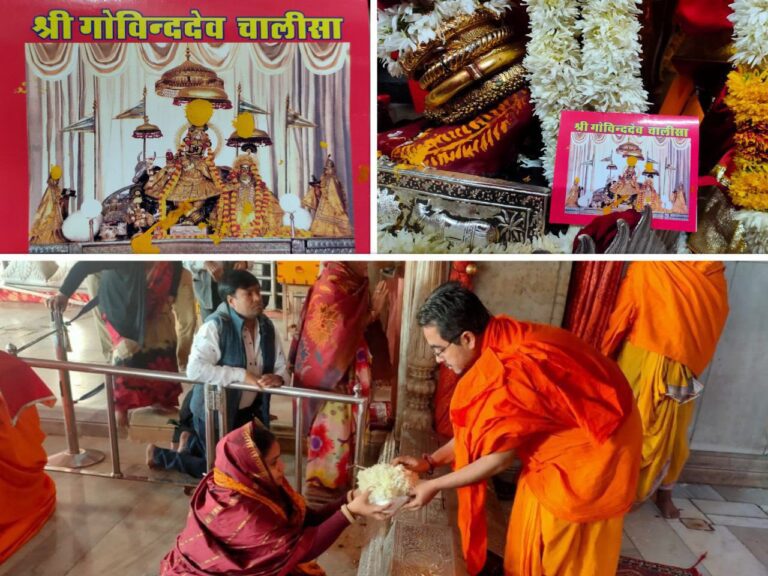
Kalyanji Temple
Kalyanji Temple in Jaipur's Chandpol Bazaar is approximately two centuries old and renowned for displaying the twenty-four avatars of Krishna, visible only twice yearly during Akha Teej and Patottsav festival.
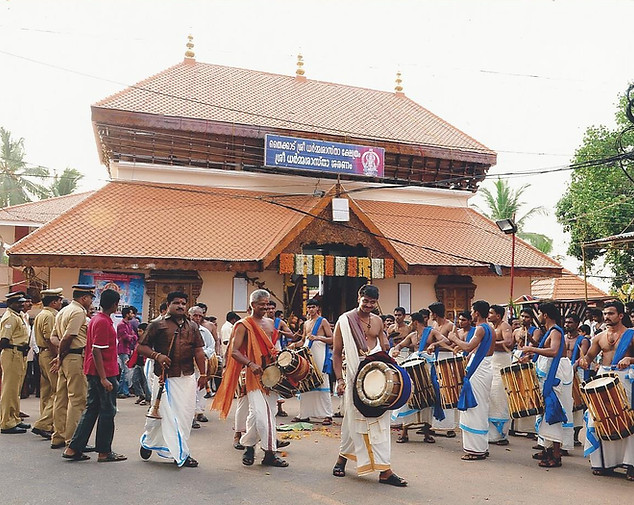
Sastha (Ayyappan) Temple
Sree Dharma Sastha Temple in Thycaud, Thiruvananthapuram, is a centuries-old shrine where the deity manifests as Dhanwanthari, the divine healer, holding the sacred blue lotus.
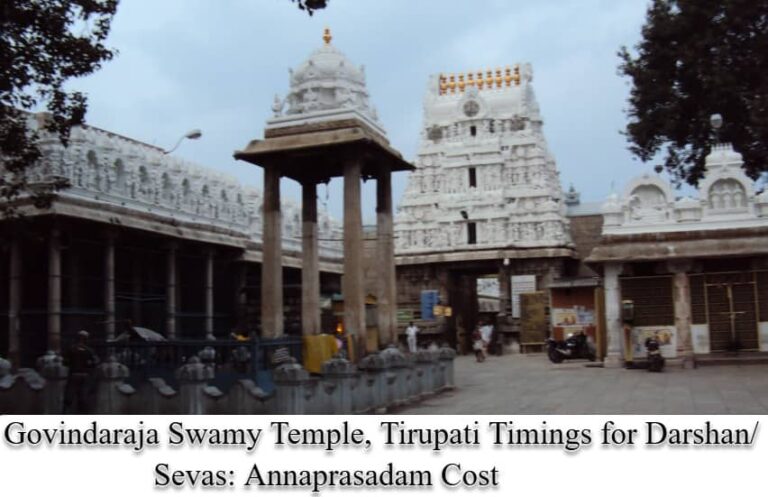
Govindarajaswamy Temple
Sri Govindarajaswamy Temple in Tirupati is an ancient Vaishnavaite shrine consecrated in 1130 AD by Saint Ramanuja, where the presiding deity rests in eternal Yoga Nidra on the serpent Adisesha.