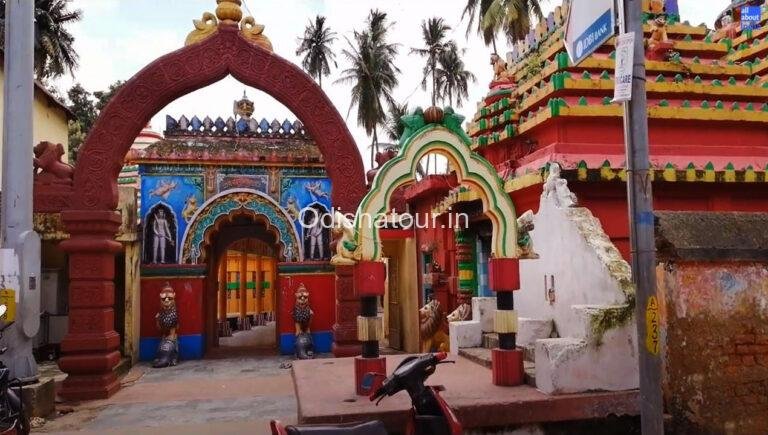
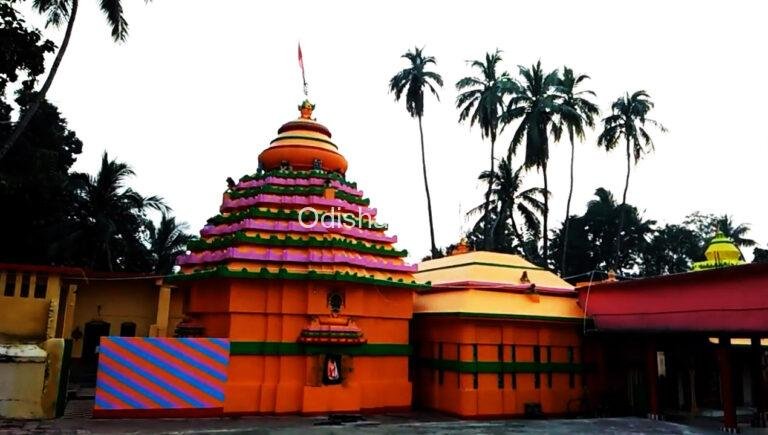
Bhagabati Temple, Banapur
About Bhagabati Temple, Banapur
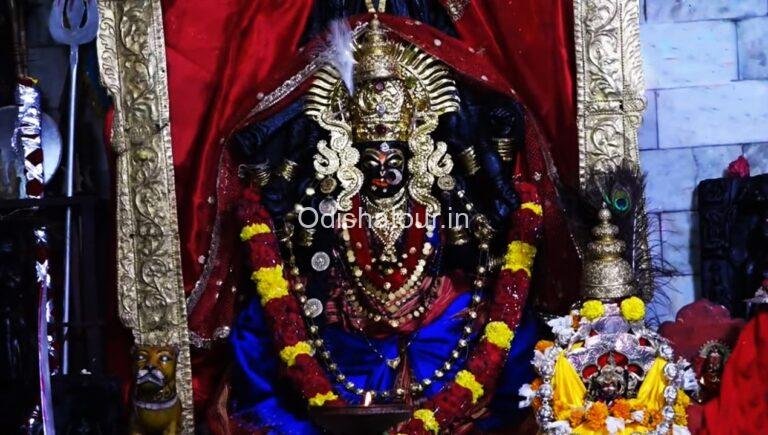
The temple maintains a structured daily rhythm of worship. The Mangal Alati—the first auspicious lamp offering—takes place at sunrise, marking the beginning of the day's spiritual activity. In the evening, the Sandhya Alati brings the community together for prayer, bells, and chanting as daylight fades. Between these bookend rituals, the Goddess receives ritual bathing (Majana) with water, milk, and turmeric, a practice that typically lasts around forty-five minutes.
For those seeking more elaborate worship, the Sodasha Upachara Puja—a comprehensive sixteen-step offering—is available. Devotees may also make offerings of lamps (Deepa Daan), food (Bhoga), and cloth (Vastra Dan) according to their means and inclination. The temple closes for a break between 1:00 and 2:00 p.m. daily.
Festivals and Celebrations
Dussehra, known locally as Durga Puja, is the temple's most significant festival. During this period, the Goddess is worshipped in her warrior form, and the temple becomes a centre of cultural and spiritual activity, drawing thousands of devotees across Odisha. The festival transforms the shrine into a hub of celebration and ritual observance.
Beyond Dussehra, the temple observes several other festivals rooted in Odishan tradition. Pana Sankranti, marking the Odia New Year on 14 April, involves the offering of Pana—a sweet drink—to the Goddess. Dola Purnima, a spring festival, features processions of deities and the playing of colours. Gamha Purnima, aligned with Raksha Bandhan, includes special rituals honouring the Goddess. These celebrations weave the temple into the seasonal and cultural calendar of the region.
Visiting the Temple: Practical Information
The temple is open daily from 6:00 a.m. to 8:30 p.m., with a midday break from 1:00 to 2:00 p.m. The best times to visit are during Dussehra (Durga Puja) for the full festive experience, or during the winter months when the climate is more comfortable for travel and worship.
Visitors should dress modestly and respectfully, following traditional norms expected at Hindu temples. The entrance has steps, and while the inner courtyard is paved, it may become crowded during major festivals. The temple is suitable for family visits and offers a peaceful spiritual atmosphere. Many visitors combine their temple visit with a trip to nearby Chilika Lake, making for a fuller experience of the region.
How to Reach Banapur
Banapur is well connected by road. The nearest major railway station is Balugaon, located on the Howrah-Chennai line, approximately 6 to 7 kilometres away. From Balugaon, auto-rickshaws and buses provide transport to the temple. Those travelling by private vehicle will find the town accessible via Odisha's road network.
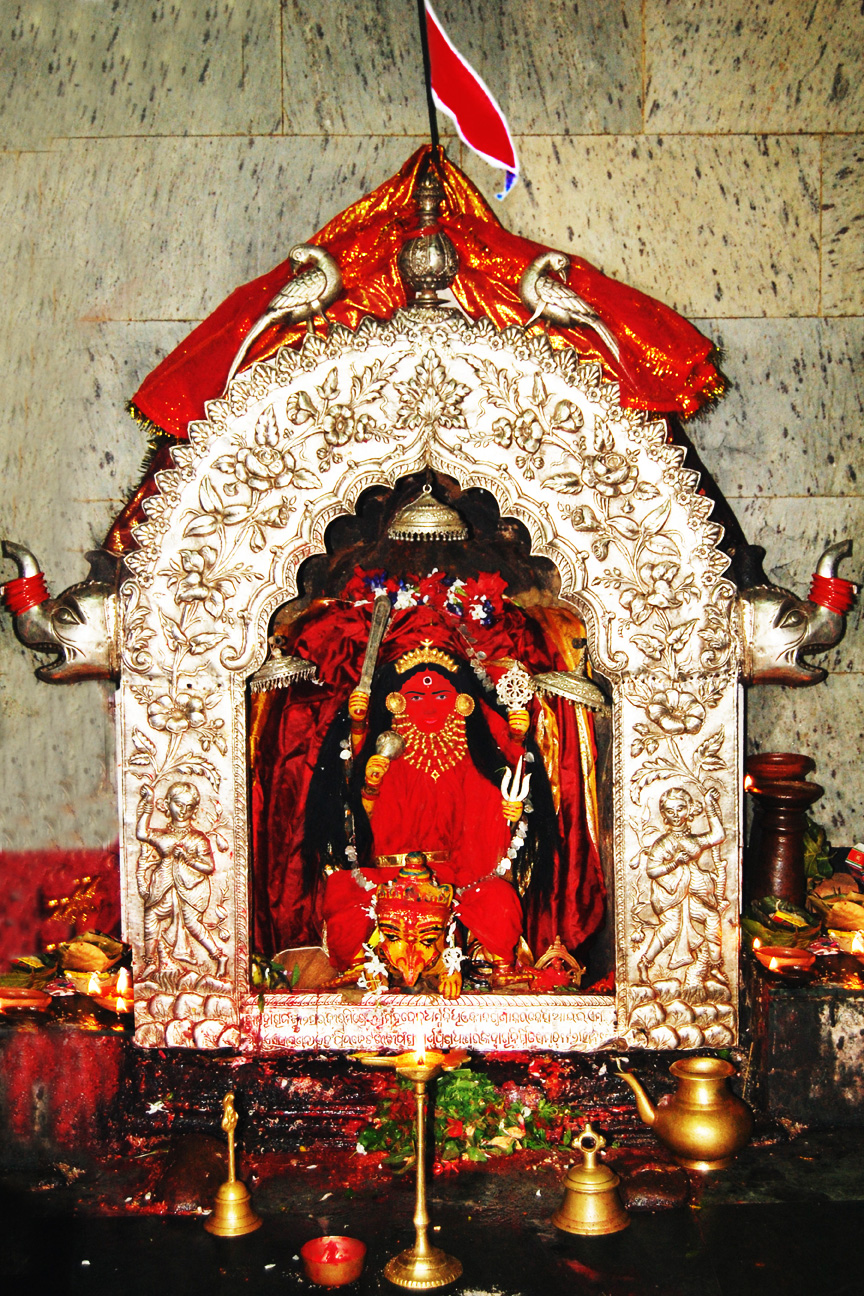
How to reach


You may also visit
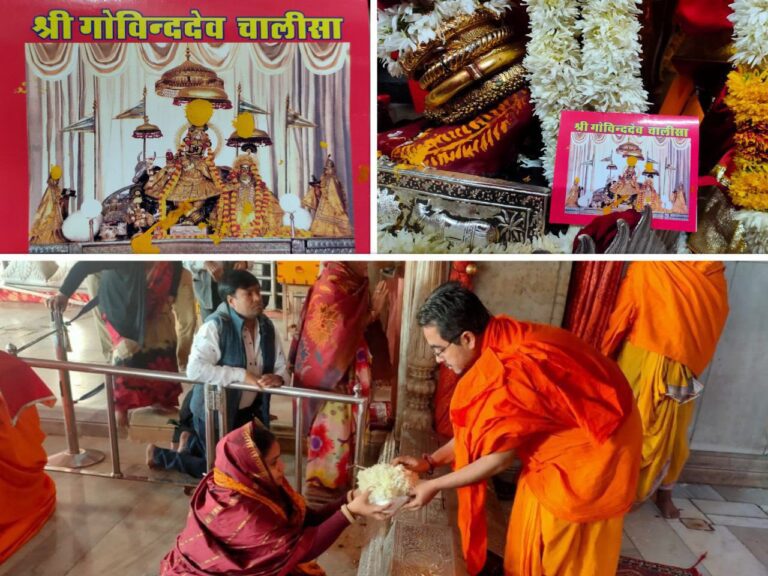
Kalyanji Temple
Kalyanji Temple in Jaipur's Chandpol Bazaar is approximately two centuries old and renowned for displaying the twenty-four avatars of Krishna, visible only twice yearly during Akha Teej and Patottsav festival.
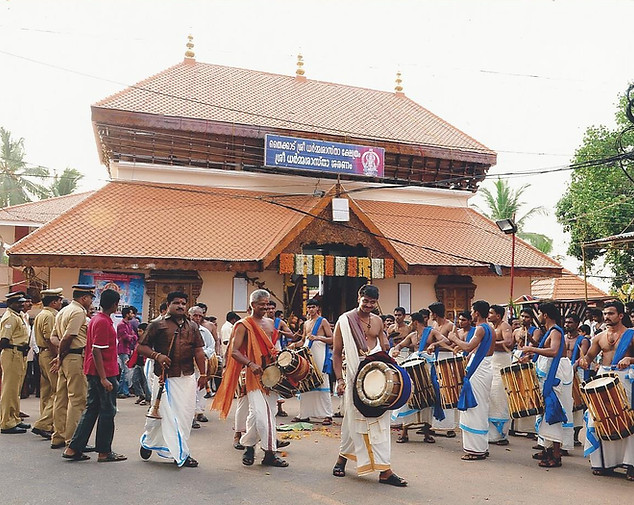
Sastha (Ayyappan) Temple
Sree Dharma Sastha Temple in Thycaud, Thiruvananthapuram, is a centuries-old shrine where the deity manifests as Dhanwanthari, the divine healer, holding the sacred blue lotus.
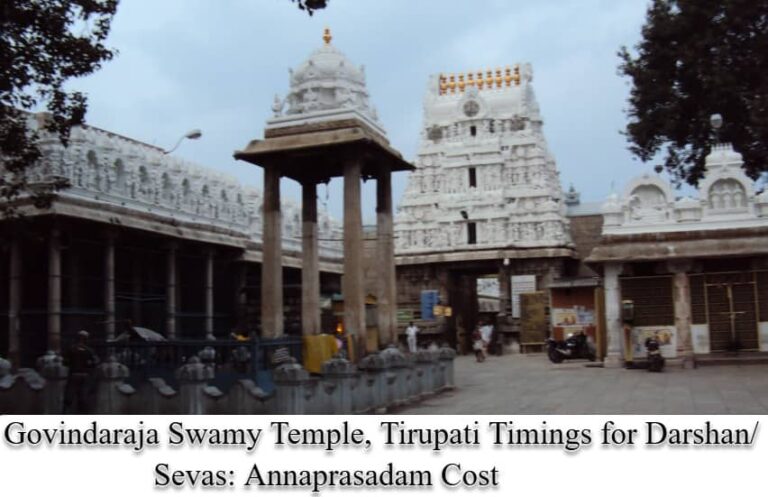
Govindarajaswamy Temple
Sri Govindarajaswamy Temple in Tirupati is an ancient Vaishnavaite shrine consecrated in 1130 AD by Saint Ramanuja, where the presiding deity rests in eternal Yoga Nidra on the serpent Adisesha.