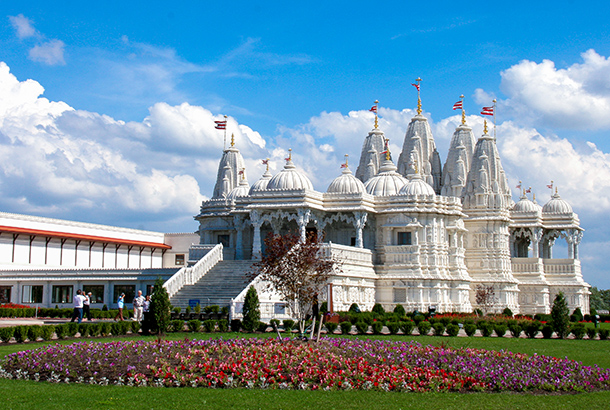


BAPS Shri Swaminarayan Mandir Toronto
About BAPS Shri Swaminarayan Mandir Toronto
The temple's physical form reflects meticulous craftsmanship and adherence to traditional Hindu architectural principles. Its construction required 18 months and incorporated 24,000 individually hand-carved pieces of stone—Italian Carrara marble, Turkish limestone, and Indian pink stone—assembled according to guidelines preserved in ancient Hindu scriptures. This commitment to traditional methods and materials distinguishes the building as a significant architectural undertaking.
The temple complex extends across 7.3 hectares and encompasses more than the main worship structure. The grounds include a haveli (traditional mansion-style building) and a Heritage Museum, creating a multifaceted space that serves both spiritual and educational functions for visitors seeking to understand Hindu culture and practice.
Daily Worship and Darshan
The temple maintains regular daily timings for worship. The Sandhya Arti—the evening ritual of worship—takes place from 6:30 p.m. to 7:30 p.m. (EST) Monday through Friday. This arti, a central devotional practice in Hindu worship involving the ritual offering of light to the deity, provides a structured opportunity for both regular devotees and visiting guests to participate in communal worship.
The temple is open daily to visitors, allowing those interested in observing or participating in worship to visit at their convenience. Visitors should check current hours before planning their visit, as timings may vary on specific days or during special occasions.
Visiting Information
Visitors to the temple should dress modestly and respectfully, removing footwear before entering the main worship areas—a standard practice across Hindu temples. The temple's location in Toronto places it within the city's diverse religious landscape, accessible to both local residents and travelers.
The temple provides a space for quiet reflection and spiritual practice. Visitors are typically expected to maintain respectful behavior within the complex and to follow any guidance offered by temple staff or volunteers. Photography policies may apply in certain areas; visitors should inquire upon arrival if they wish to take photographs.
The Heritage Museum on the grounds offers an additional dimension to a visit, allowing guests to learn about Hindu heritage, the Swaminarayan tradition, and the temple's own history since its establishment in 2007.
The Swaminarayan Tradition
The Swaminarayan movement represents a significant branch within Hinduism, with a global presence through organizations like BAPS. Temples of this tradition typically emphasize devotional practice, ethical living, and community service. The establishment of this Toronto temple reflects the growth and consolidation of the Swaminarayan community in North America.
The tradition draws on Hindu scriptures and philosophical teachings, with worship practices centered on devotion and ritual observance. The presence of the haveli and museum on the temple grounds suggests an institutional commitment to preserving and sharing aspects of this spiritual heritage with both practitioners and the broader public.
Location and Access
The temple is situated in Toronto, Ontario, at coordinates 43.7386132, -79.6270385. Its location within the Greater Toronto Area makes it accessible to the region's Hindu population and to visitors traveling through or residing in the city. The 7.3-hectare grounds provide ample space for parking and movement around the complex.
Prospective visitors should verify current access information and any specific entry requirements before traveling to the temple, as operational details may change seasonally or due to special circumstances.
How to reach
You may also visit
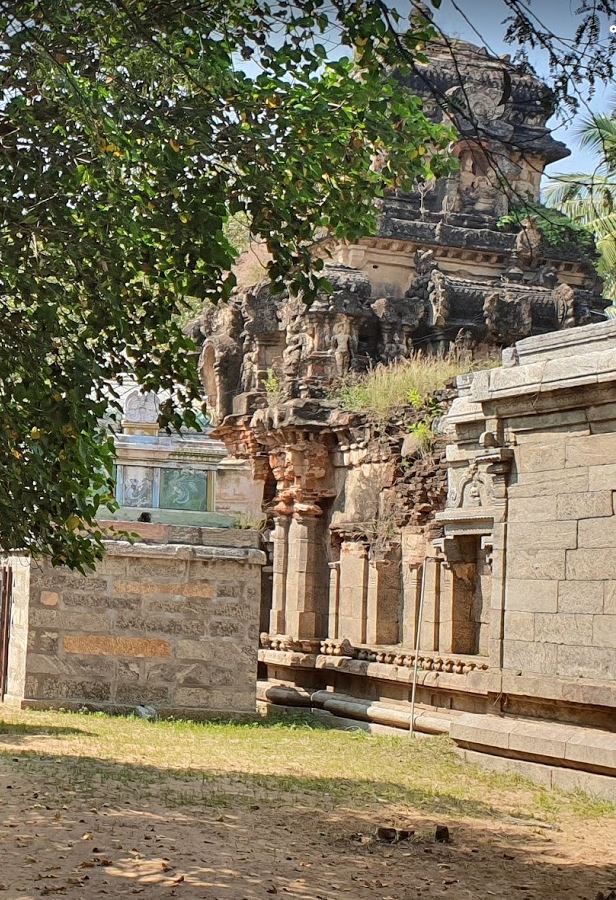
Agatheeswarar Temple, Karur
Agatheeswarar Temple in Thirumukkudalur, Karur district, is an ancient Hindu shrine dedicated to Shiva, situated at the sacred confluence of three rivers and believed to be over 1000 years old.
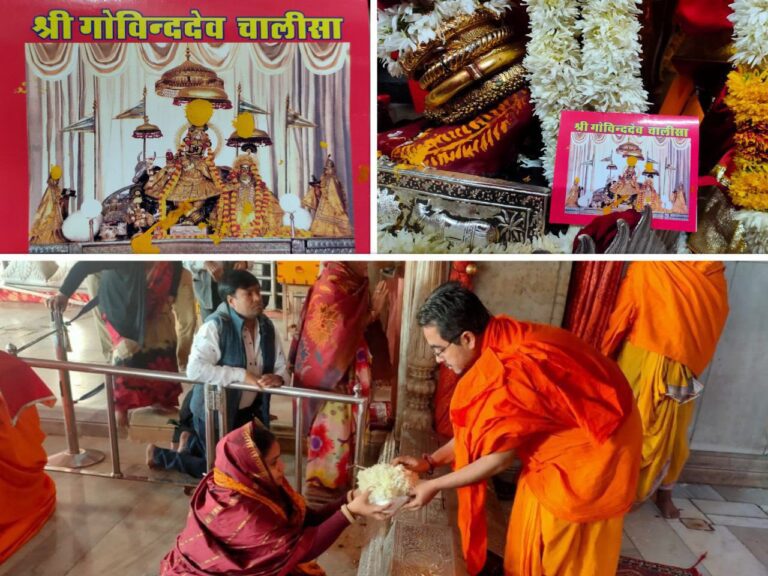
Kalyanji Temple
Kalyanji Temple in Jaipur's Chandpol Bazaar is an ancient Krishna shrine established in the 1820s, renowned for its seven daily aartis and special avatar darshan ceremonies during Akha Teej and Patottsav festivals.
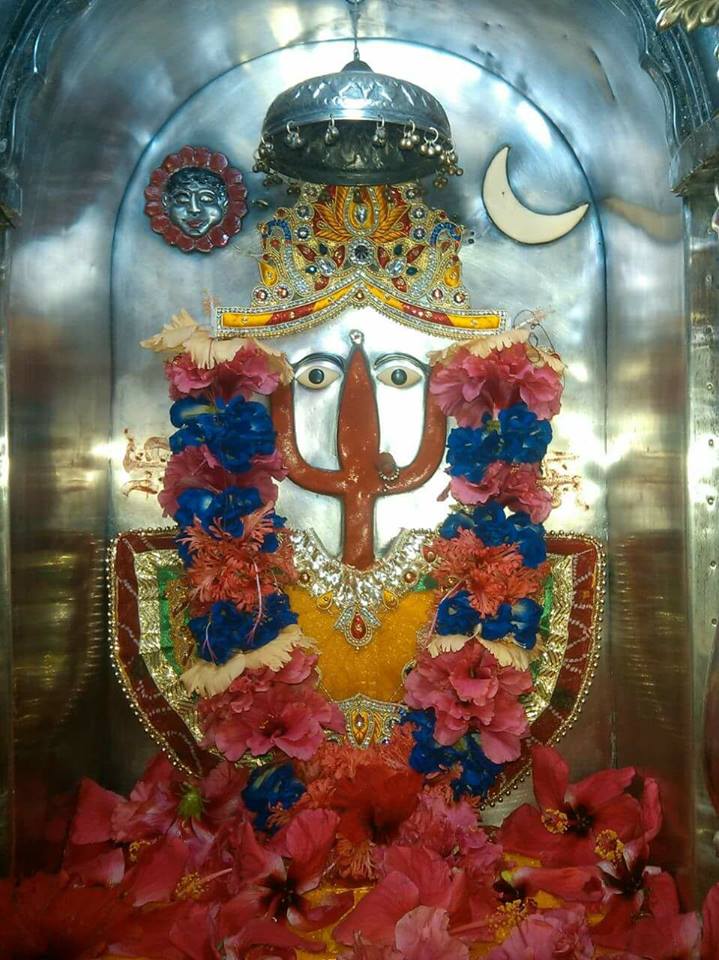
Rani Sati Mandir Mahuda
Rani Sati Mandir in Mahuda, Dhanbad District, is a Hindu temple established in 1992 that serves as a spiritual center for the local community and attracts devotees seeking blessings.