
Babulnath
About Babulnath
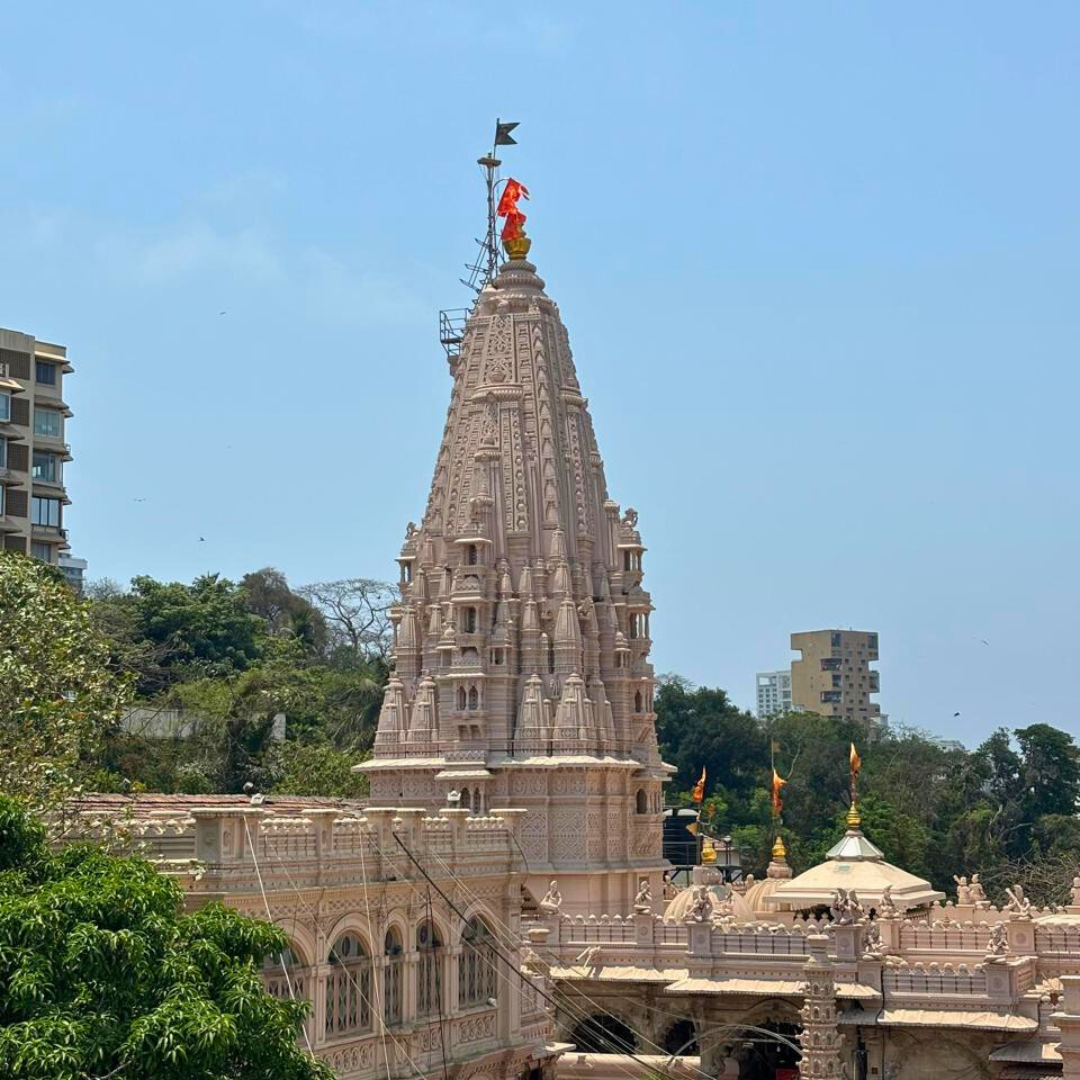
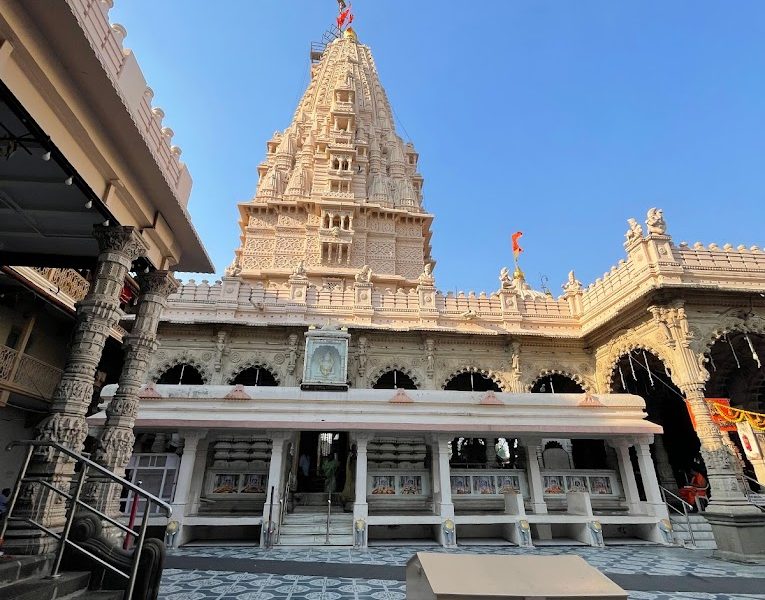
The temple's foundations reach back to the 12th century, a period when the Solanki dynasty held power across western India until the 13th century. This historical depth places Babulnath among Mumbai's most enduring religious structures, having survived centuries of change in the city around it. The temple's survival through such an extended timespan speaks to its importance within the local religious landscape and the devotion of successive generations who maintained it.
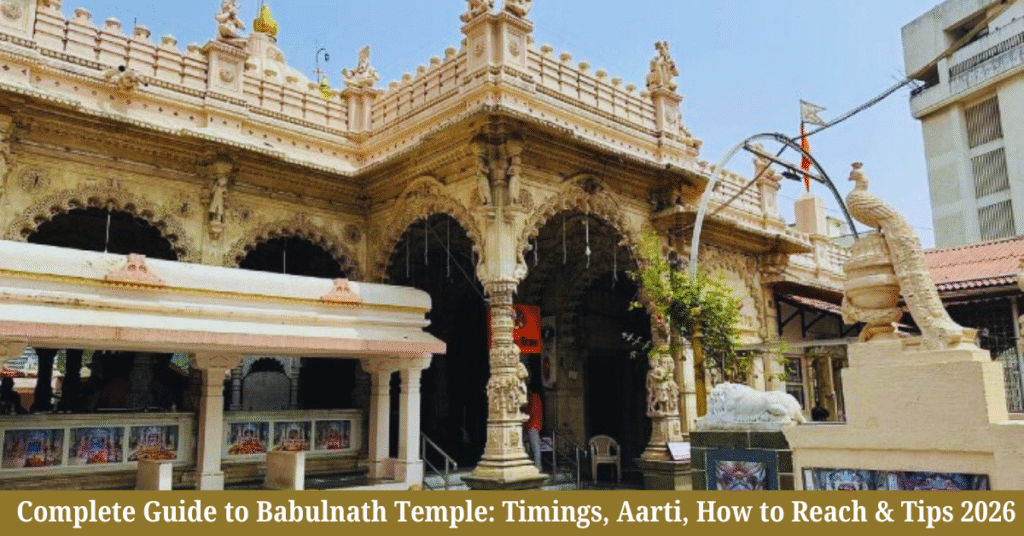
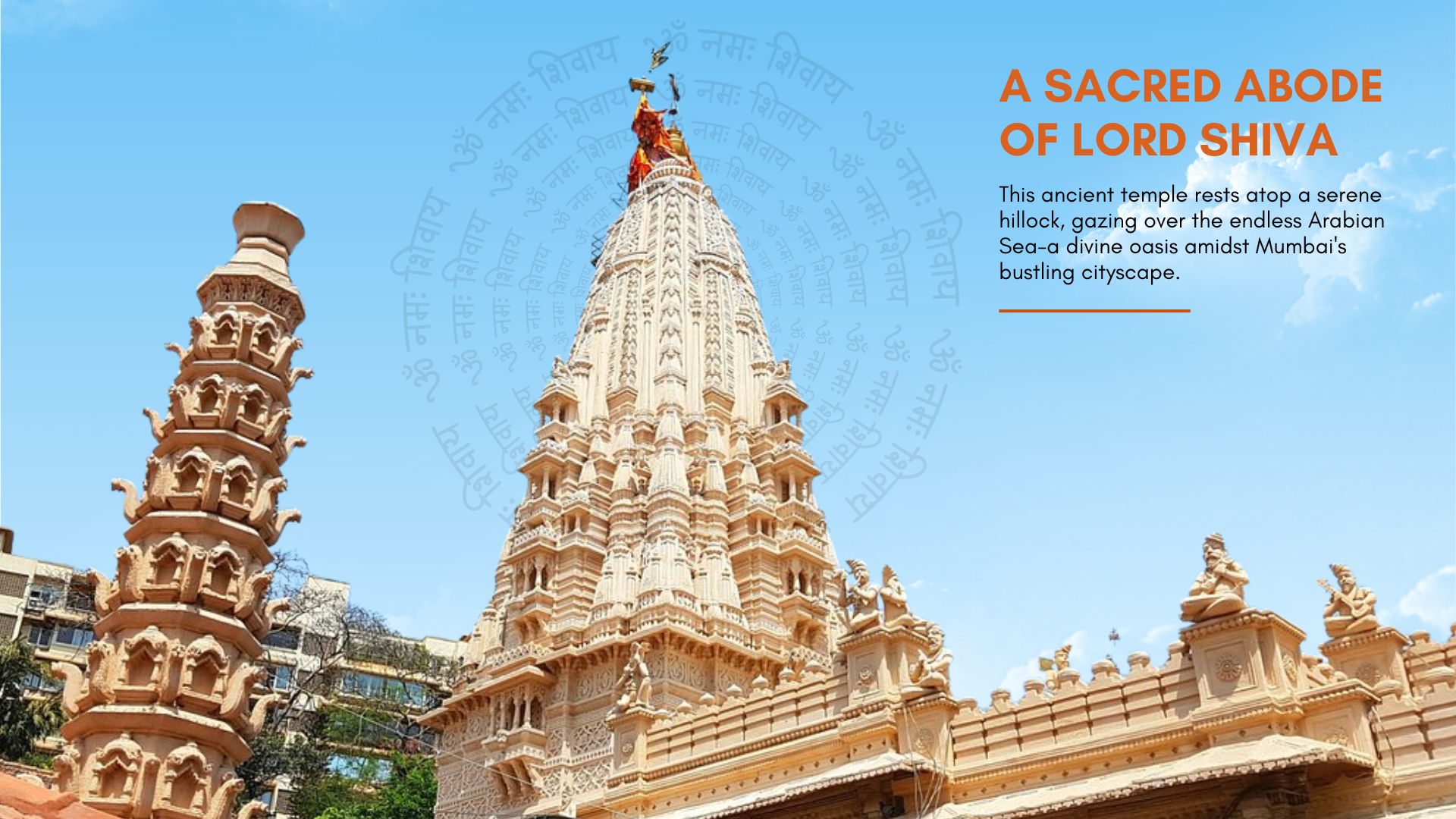
The architectural style reflects the conventions of Hindu temple building from this era, with beautifully carved pillars and intricate inscriptions that remain visible to visitors today. These carved elements serve as tangible links to the craftspeople and patrons who shaped the temple during the Solanki period, offering insight into the aesthetic and spiritual priorities of medieval western India.
Daily Worship and the Aarti Schedule
The temple opens at 5:30 AM each day and remains accessible until 10:00 PM, accommodating both early risers and evening visitors. Throughout these hours, multiple aartis structure the day's spiritual rhythm. The Mangala Aarti begins at 4:45 AM for those arriving before dawn, followed by the Morning Aarti at 6:30 AM. A Noon Aarti occurs at 12:00 PM, with the Evening Aarti at 6:30 PM and a Shringar Aarti at 8:15 PM. The Night Aarti, known as Shej Aarti, takes place at 9:45 PM as the temple prepares for closure.
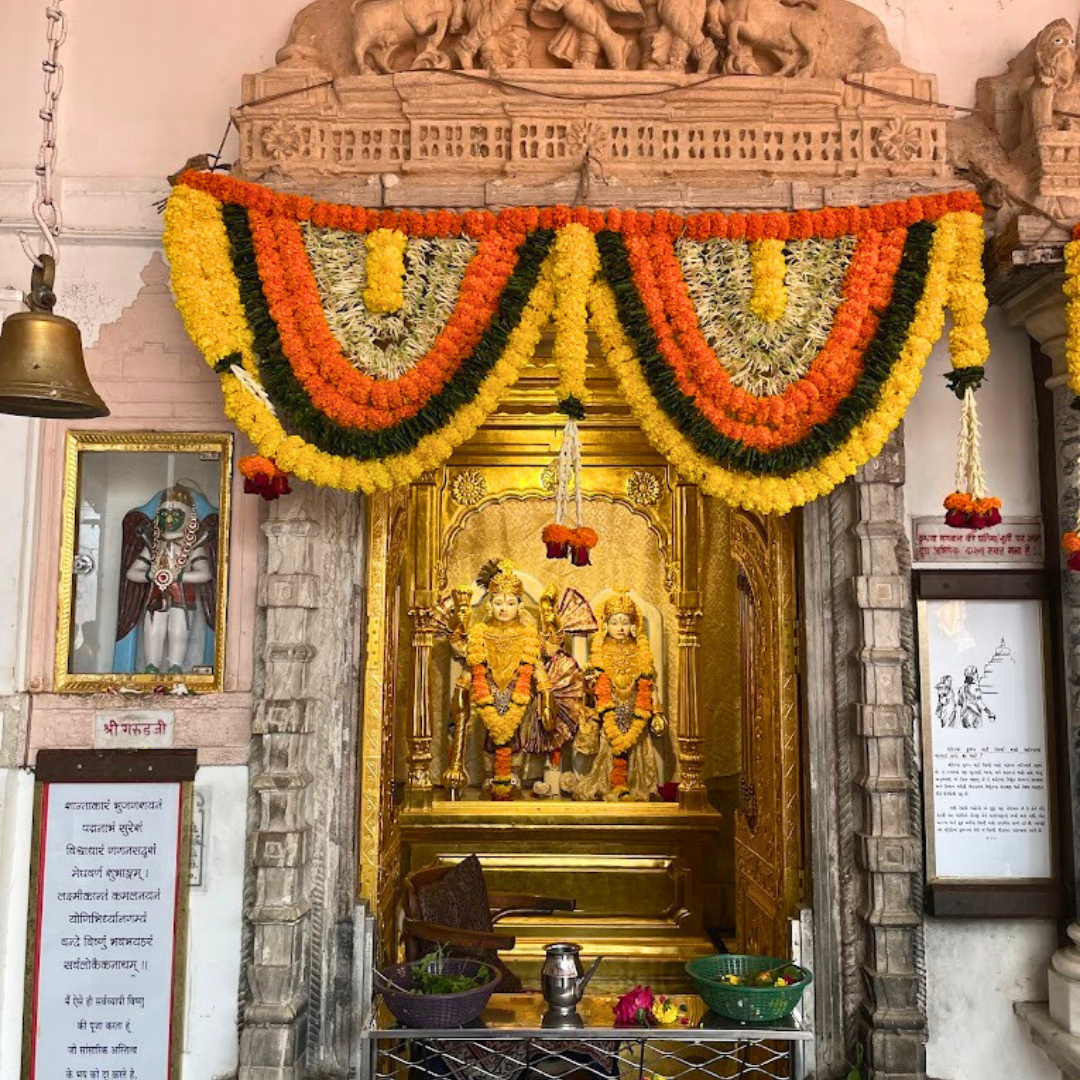
These multiple daily rituals allow devotees to participate in worship according to their schedules and spiritual inclinations. Visitors wishing to experience the temple's ritual life should plan their visit around one of these aarti times, when the atmosphere becomes particularly charged with devotional energy. Pooja offerings can be arranged by visiting the temple office or contacting the management directly, allowing for personalized spiritual engagement beyond simple darshan.
Seasons of Heightened Devotion
Babulnath becomes especially vibrant during two periods: the month of Shravan and the festival of Mahashivratri. Shravan, typically falling in July and August, is traditionally associated with Shiva worship across Hindu practice, and the temple experiences increased footfall during this month. Mahashivratri, the great night dedicated to Shiva, draws thousands of devotees who gather for special rituals and extended worship.
Beyond these peak periods, early morning and late evening hours generally offer a quieter experience, making them ideal for visitors seeking a more contemplative visit without crowds. The temple's spiritual atmosphere remains constant throughout the year, though the intensity of communal worship naturally varies with the calendar.
Visiting Practicalities
The temple is located at 16 Babulnath Road in the Khareghat Colony area of Gamdevi, with coordinates available for those using navigation applications. Visitors can contact the temple office at 022 23678367 or 022 23673602 for inquiries regarding pooja bookings, specific rituals, or other questions. The official website and social media channels provide additional information and updates.
As with most Hindu temples, visitors should dress modestly and remove footwear before entering the sanctum. The temple's hilltop location means some climbing is involved; those with mobility concerns should plan accordingly. No entry fee is charged for darshan, though donations support the temple's maintenance and charitable activities.
Reaching the Temple
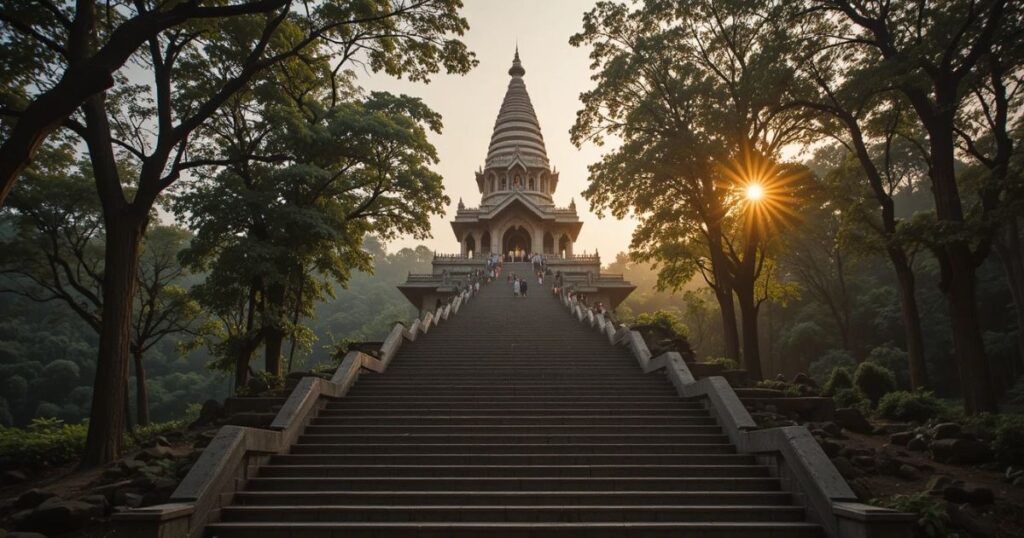
Babulnath Temple sits within Mumbai's central neighbourhoods, accessible via local transport. The temple's proximity to Girgaum Chowpatty provides a geographical reference point for those unfamiliar with the area. Visitors should allow time for the climb to the hilltop location when planning their visit, particularly during peak hours when the pathways may be crowded.
How to reach
Temples near Babulnath
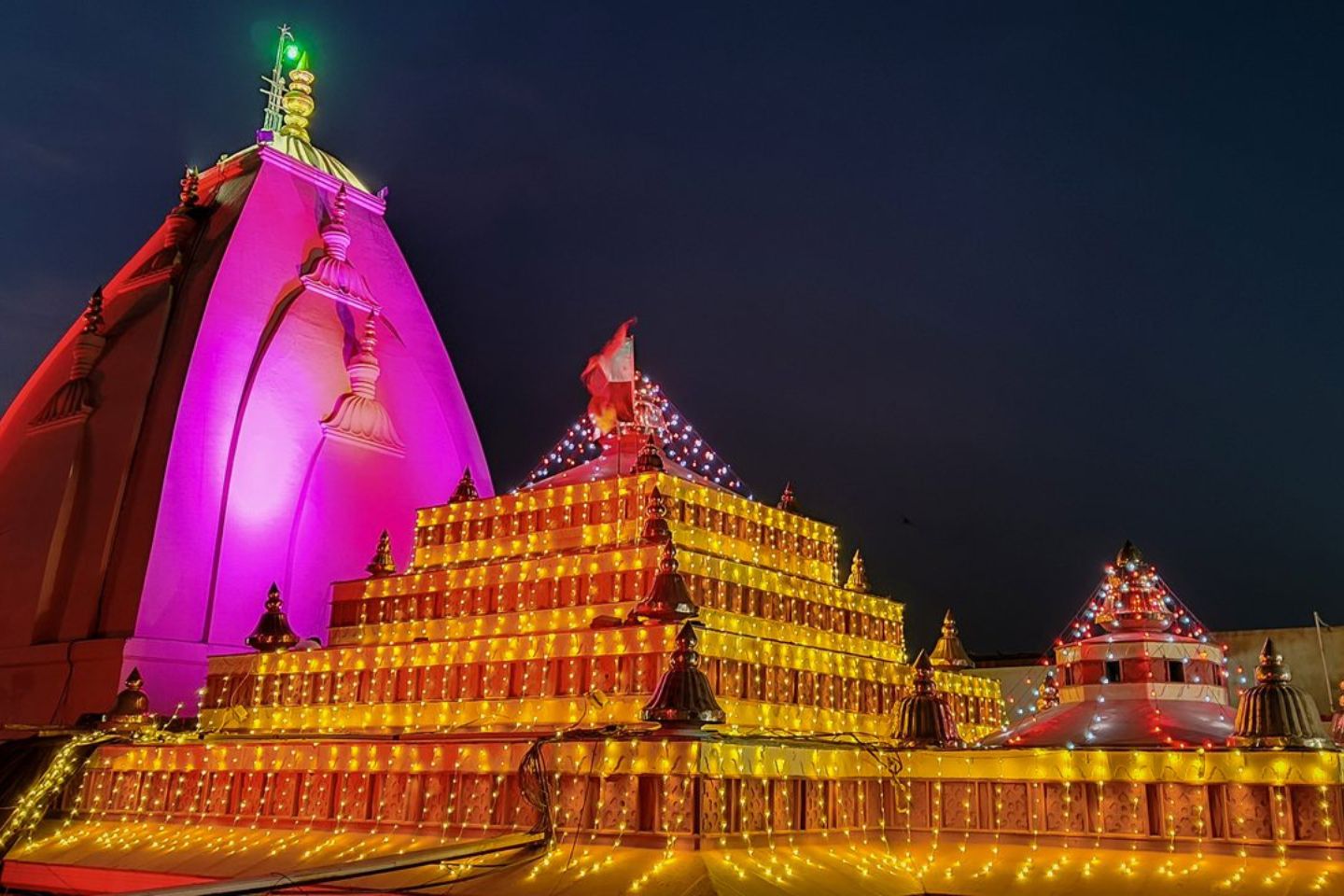
Mahalakshmi Temple, Mumbai
Mahalakshmi Temple in Mumbai, established in 1831, is a revered Hindu shrine dedicated to Goddess Mahalakshmi alongside the Tridevi goddesses Mahakali and Mahasaraswati. Located…
Mota Mandir
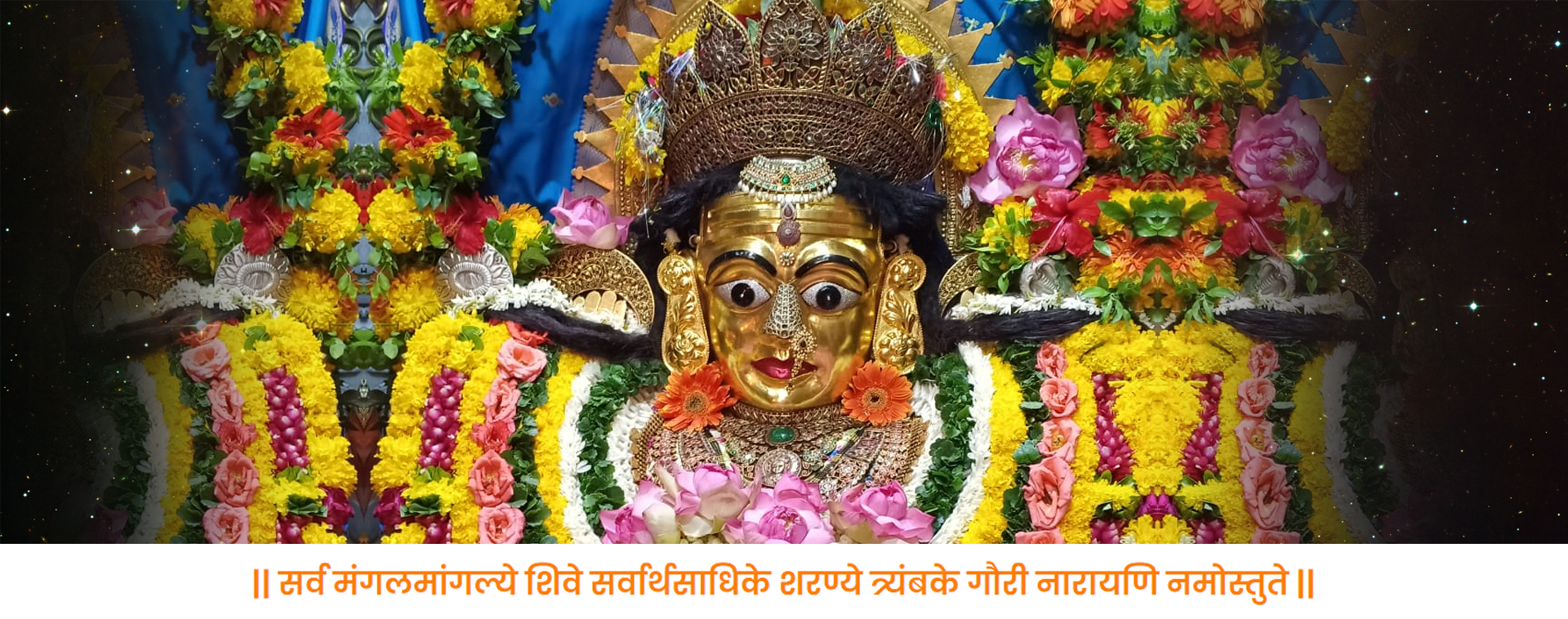
Mota Mandir, officially known as Shree Mumbadevi Mandir, is an 18th-century temple in Mumbai's Zaveri Bazar dedicated to Goddess Mumbadevi, the patron deity and namesake of Mumb…
Mumba Devi Temple
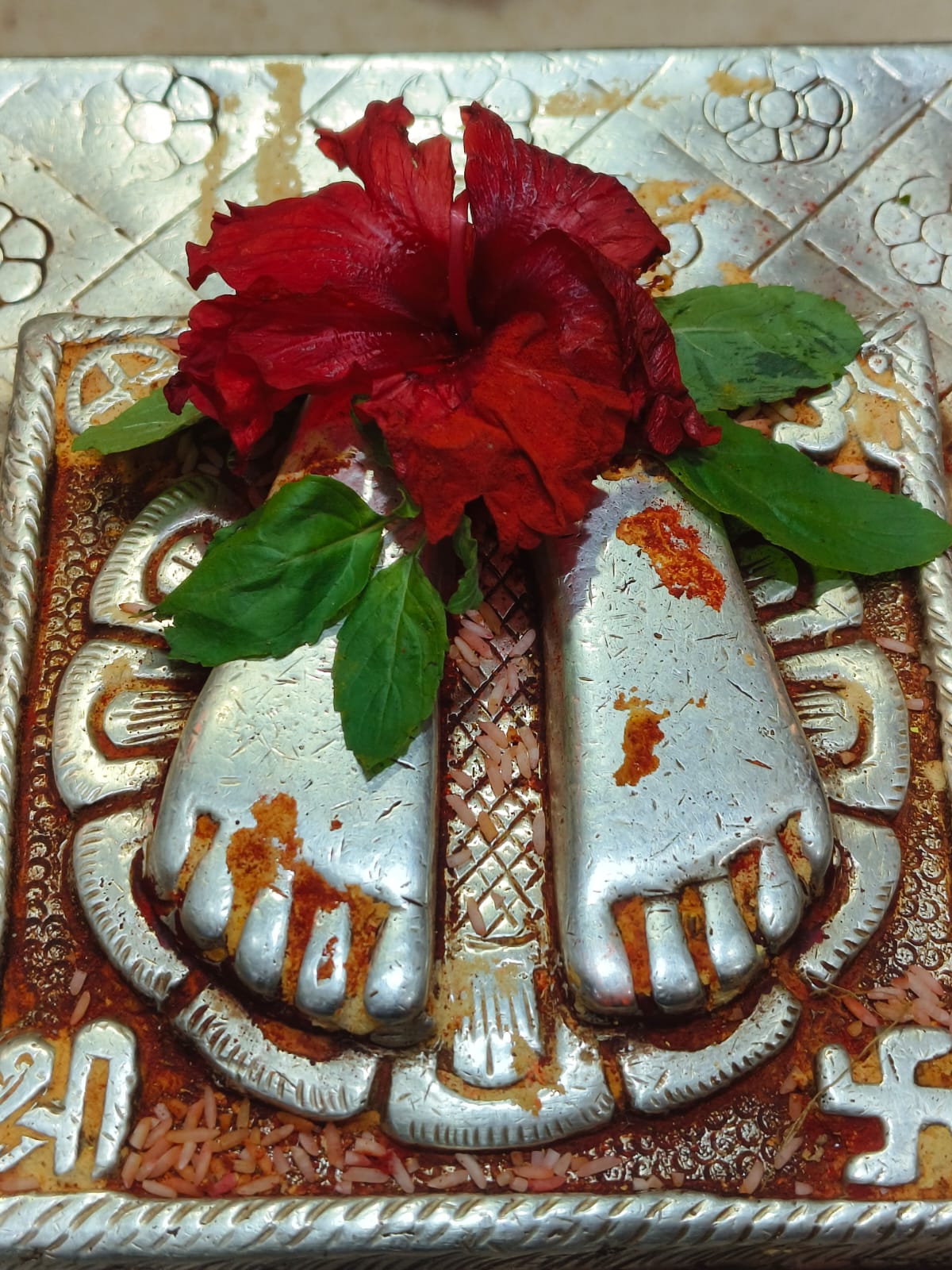
Mumba Devi Temple is an ancient Hindu shrine in Mumbai's Bhuleshwar area dedicated to Goddess Mumbadevi, a local manifestation of Parvati and the city's patron deity. The temple…

Walkeshwar Temple
Walkeshwar Temple, dedicated to Lord Shiva as Valuka Iswar (Lord of Sand), stands at Mumbai's highest point in Malabar Hill. Originally built in 1127 AD, it remains one of the c…
Prabhadevi Temple
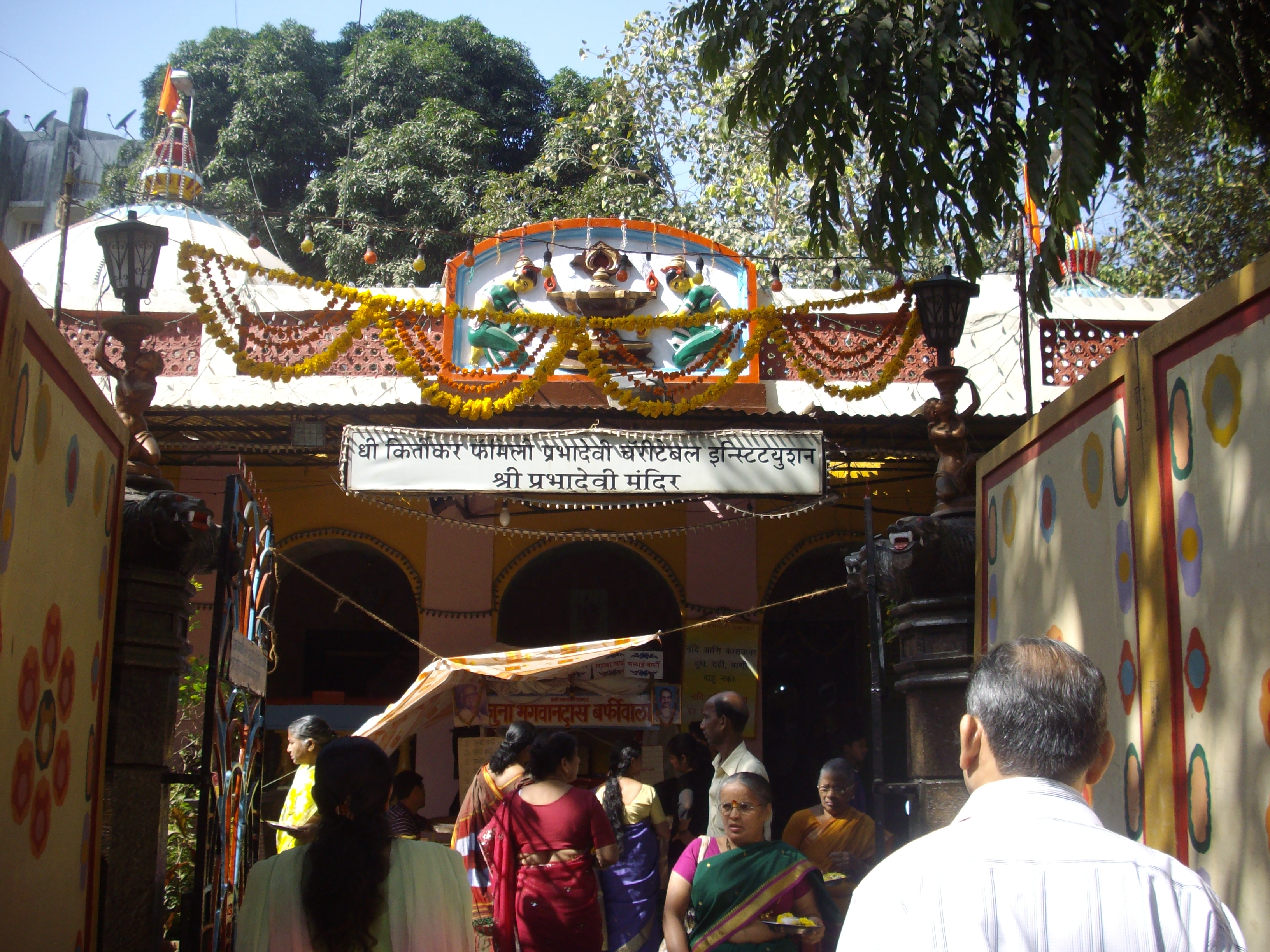
Prabhadevi Temple in Mumbai's Dadar area houses a 12th-century idol of Prabhavati Devi within a structure built in 1715, making it one of the city's significant older Hindu shri…
Shree Siddhivinayak
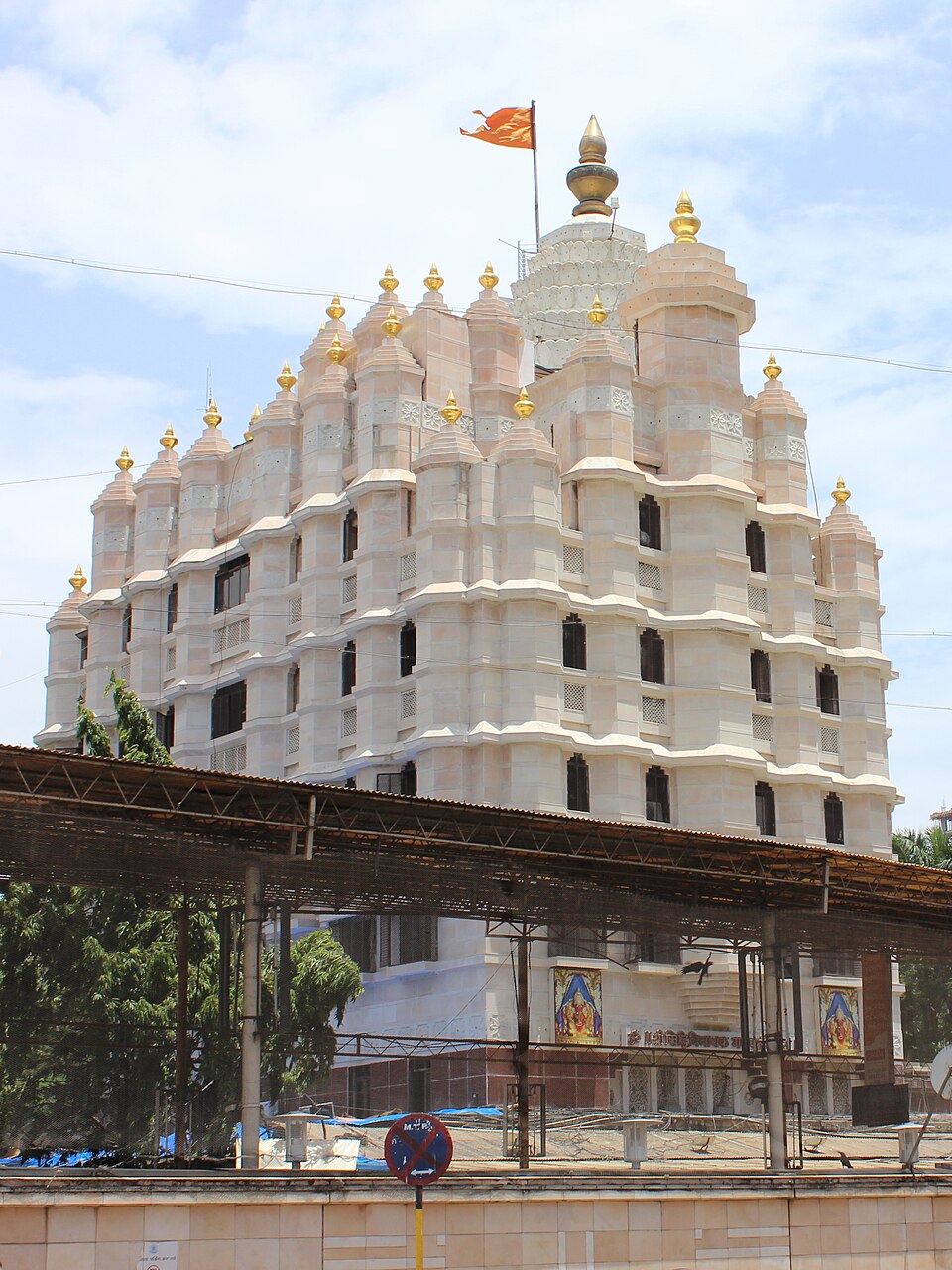
Shree Siddhivinayak Ganapati Mandir is one of Mumbai's most revered temples dedicated to Lord Ganesha, located in the Prabhadevi neighbourhood and established in 1801.