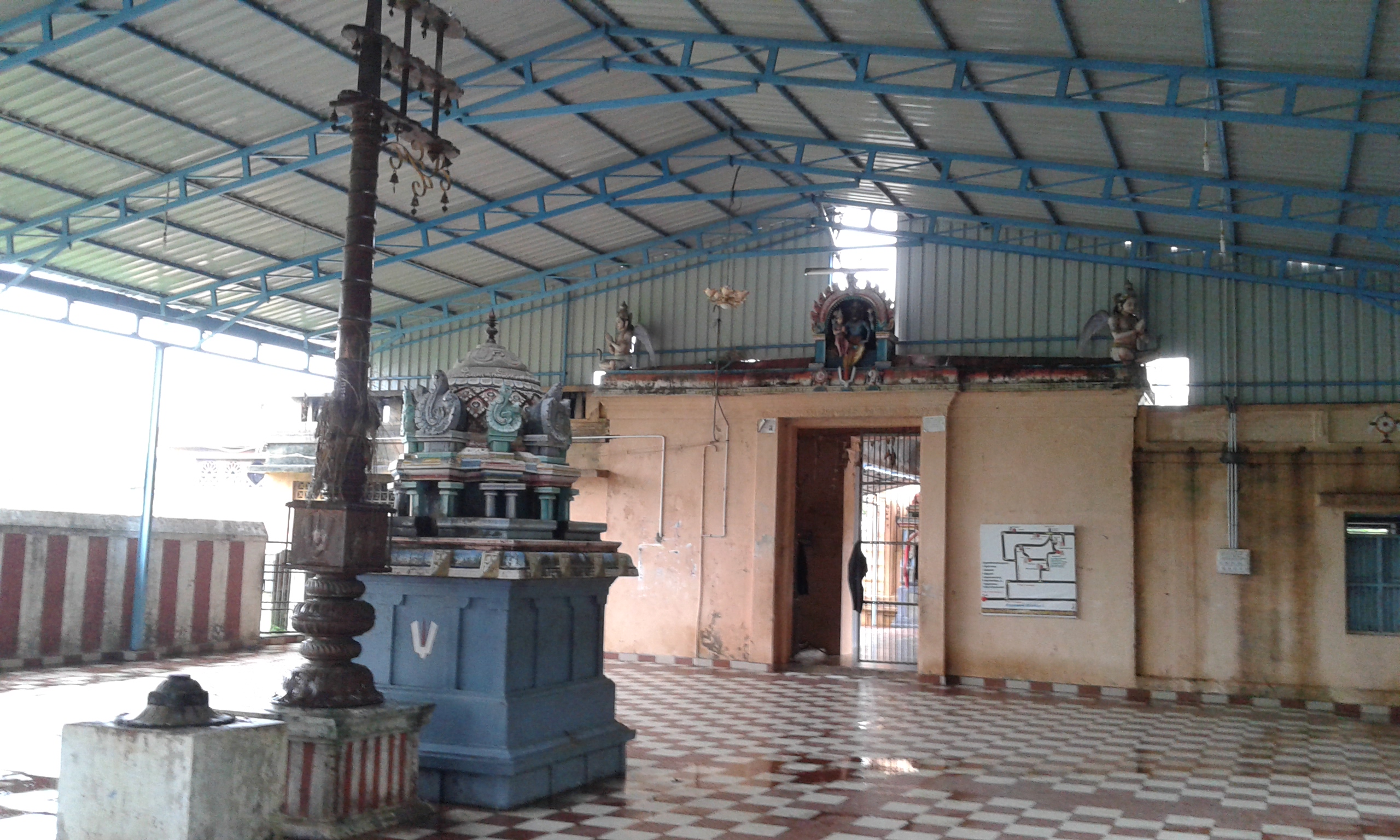
Azhagiyasingar Temple, Thiruvali
About Azhagiyasingar Temple, Thiruvali
The temple follows the Dravidian architectural style characteristic of South Indian Hindu temples. This tradition, which reached its mature form by the sixteenth century, shapes how the sacred space is organized and experienced. Visitors moving through the temple would encounter the typical elements of this style: the gopuram (gate tower) marking entry, the mandapa (pillared hall) where devotees gather, the pradakshina path for circumambulation around the sanctum, and the garbhagriha (innermost sanctum) housing the consecrated image. The vimana, the tower rising directly above the sanctum, would be visible as a focal point of the structure.
The temple's construction dates to the medieval period spanning the 6th to 9th centuries, making it among the older continuously worshipped sites in the region. The architectural elements reflect the craftsmanship and religious understanding of that era, though the sources do not detail specific renovations or modifications undertaken in later periods.
Daily Darshan and Worship
The temple opens for darshan from 6:00 AM to 7:00 PM, with early morning and evening hours recommended as the best times to visit. These quieter periods allow for more focused worship and a less crowded experience of the sanctum. The temple typically offers standard sevas (ritual services) including archana (ritual worship with flowers and prayers) and recitations of the Divya Prabandham, the very hymns that sanctified this site in medieval times.
Visitors should confirm current timings and any special worship schedules directly with the temple before travelling, as ritual practices and availability of specific sevas may vary. The temple staff can advise on the best times for particular forms of worship or if special ceremonies are scheduled.
Visiting the Temple: Practical Information
Thiruvali is located at coordinates 11.20361111, 79.77444444 in Mayiladuthurai district. The nearest significant railway station is Sirkazhi, from which local transport can be arranged to reach the village. Visitors should dress modestly, as is customary at Hindu temples—women typically wear sarees or salwar kameez, and men wear dhotis or simple trousers; footwear is removed before entering the sanctum area.
Temple etiquette asks that devotees move clockwise around the sanctum during pradakshina, keep the inner sanctum to the right, and maintain respectful silence in the worship areas. Photography policies vary; it is best to ask permission before photographing. Prasada (consecrated offering) is typically distributed to devotees after worship. The temple does not charge admission fees, though donations are accepted to support its maintenance and rituals.
Significance in the Pilgrimage Tradition
As a Divya Desam, Azhagiyasingar Temple holds a place in one of Hinduism's most structured pilgrimage circuits. The 108 Divya Desams are understood as the earthly abodes of Vishnu, and visiting them in sequence or over time is considered a spiritually significant undertaking within Sri Vaishnavism. The temple's inclusion in the Nalayira Divya Prabandham means that the hymns sung here by the Alvar saints centuries ago remain central to its worship and identity.
Thirumangai Alwar, one of the most prolific of the Alvar poets, composed verses in praise of this site, embedding it within the broader landscape of sacred geography that devotees continue to navigate today. For those following the Vaishnavite path, visiting this temple connects them to both the historical depth of Tamil religious culture and the living continuity of worship that has persisted across more than a millennium.
How to reach
You may also visit
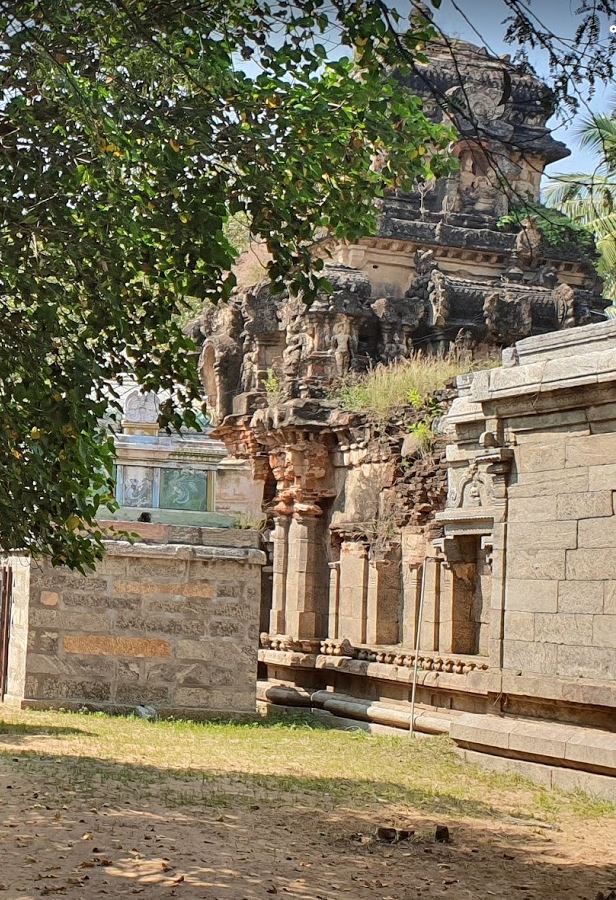
Agatheeswarar Temple, Karur
Agatheeswarar Temple in Thirumukkudalur, Karur district, is an ancient Hindu shrine dedicated to Shiva, situated at the sacred confluence of three rivers and believed to be over 1000 years old.
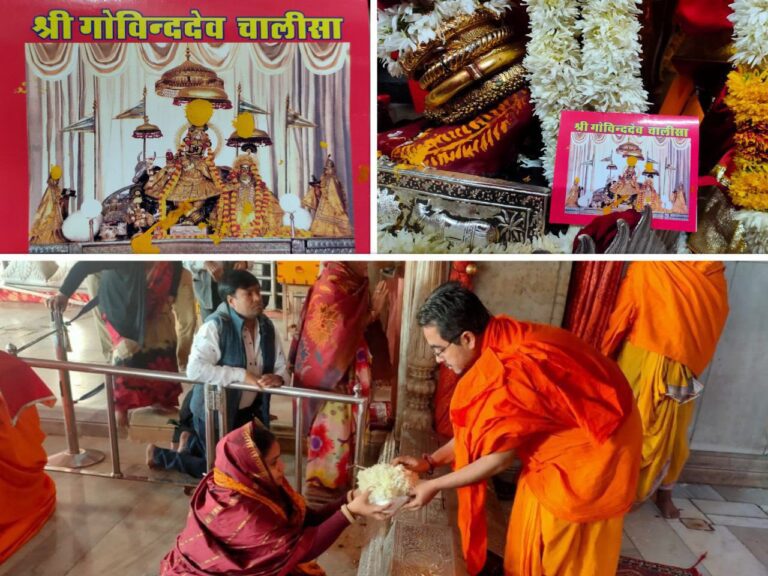
Kalyanji Temple
Kalyanji Temple in Jaipur's Chandpol Bazaar is an ancient Krishna shrine established in the 1820s, renowned for its seven daily aartis and special avatar darshan ceremonies during Akha Teej and Patottsav festivals.
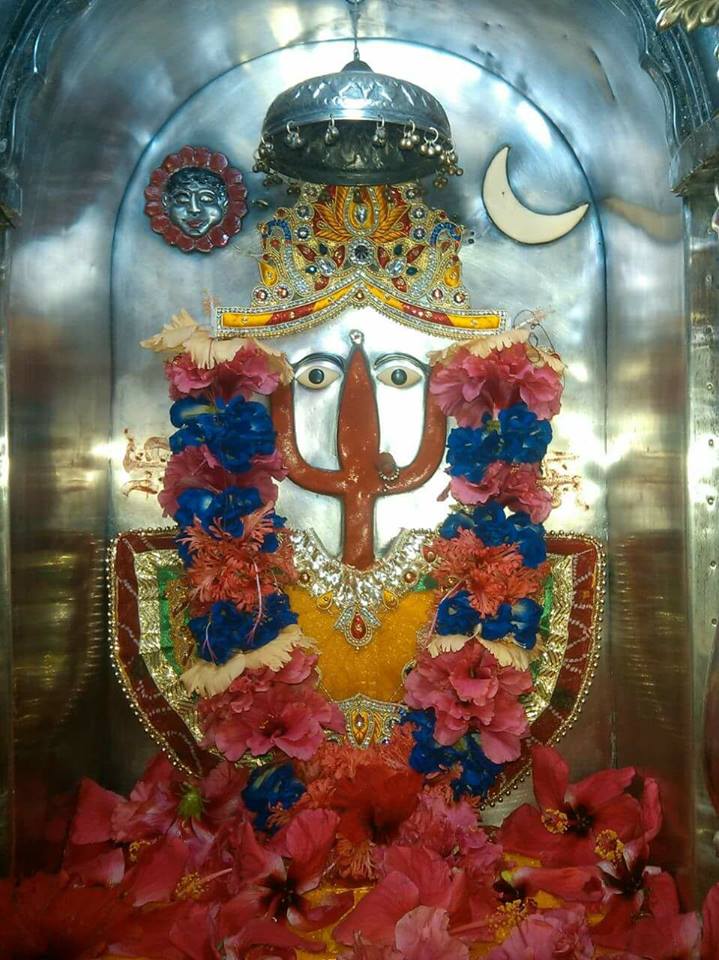
Rani Sati Mandir Mahuda
Rani Sati Mandir in Mahuda, Dhanbad District, is a Hindu temple established in 1992 that serves as a spiritual center for the local community and attracts devotees seeking blessings.