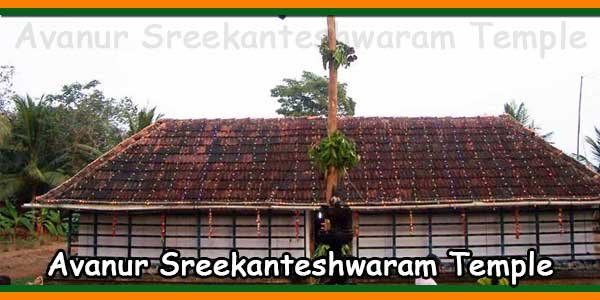
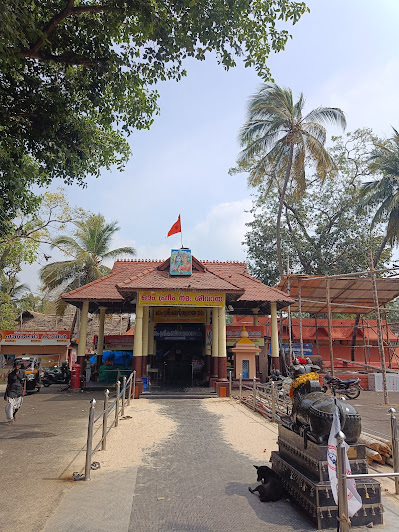
Avanur Sreekanteswaram Temple
About Avanur Sreekanteswaram Temple
The temple follows the architectural conventions of Kerala's Hindu temples. Its structure rises to an elevation of approximately 107 feet, reflecting the vertical emphasis typical of Kerala temple design. The building embodies the regional architectural tradition, though detailed descriptions of its specific features—such as the gopuram, sanctum layout, or decorative elements—are not available in current sources. Visitors will encounter the characteristic style of Kerala temple construction, which differs notably from temple architecture in other Indian regions.
Worship and Darshan
Shiva temples in Kerala typically maintain regular darshan hours for devotees to view and worship the deity. While specific daily timings for Avanoor Sreekanteswaram are not documented in the available sources, visitors should expect standard temple protocols: removal of footwear before entering sacred spaces, modest dress appropriate to a Hindu place of worship, and respectful behavior within the temple grounds. Devotees traditionally offer prayers and perform circumambulation around the sanctum. Those wishing to participate in specific rituals or pujas should inquire at the temple itself regarding availability and procedures.
Maha Shivaratri Festival
The temple observes Maha Shivaratri, the major festival dedicated to Shiva that falls in late winter or early spring according to the lunar calendar. This night-long vigil attracts devotees who fast, meditate, and worship throughout the night. The festival represents one of the most significant occasions in the Shaivite calendar, and temples across Kerala, including Avanoor Sreekanteswaram, mark the occasion with special rituals and increased devotional activity. Visitors planning to attend during this festival should prepare for larger crowds and extended darshan hours.
Visiting Information
Avanur is located in Thrissur district, accessible by road from major towns in Kerala. The temple's coordinates are 10.611°N, 76.176°E, which can assist with navigation. Visitors should contact the temple directly or check locally for current darshan timings, as these may vary seasonally or due to special observances. Modest dress is essential—women typically wear sarees or salwar kameez, while men wear dhotis or simple trousers; avoid shorts and sleeveless clothing. Photography policies vary by temple; it is respectful to ask permission before photographing the sanctum or rituals. The temple may have limited facilities, so visitors should plan accordingly and bring water if visiting during warm months.
Reaching the Temple
Thrissur district is well-connected by road to other parts of Kerala. Visitors traveling from Kochi or other major cities can reach Avanur by car or public transport. The nearest railway station and bus terminals in Thrissur town serve as convenient access points. Local inquiry upon arrival in the area will help pinpoint the exact location. Those planning a visit should allow time to explore the surrounding region, as Thrissur district contains several other temples and cultural sites of interest to Hindu pilgrims.
How to reach
You may also visit
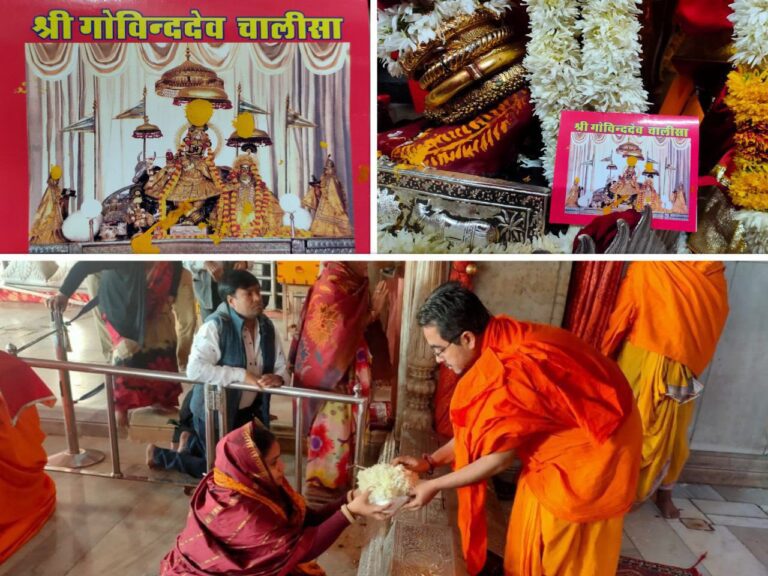
Kalyanji Temple
Kalyanji Temple in Jaipur's Chandpol Bazaar is approximately two centuries old and renowned for displaying the twenty-four avatars of Krishna, visible only twice yearly during Akha Teej and Patottsav festival.
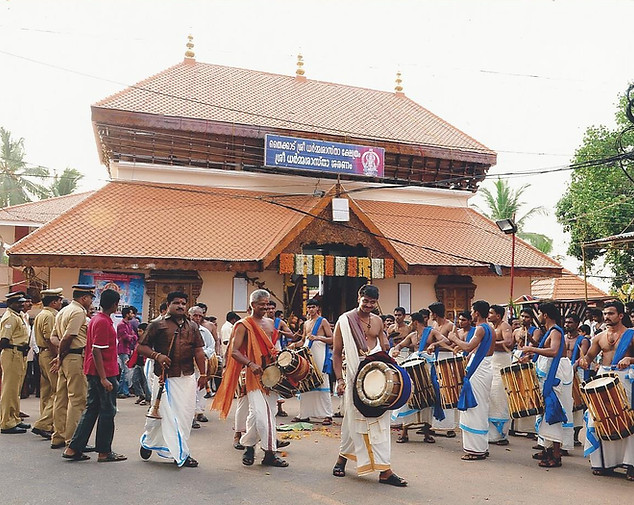
Sastha (Ayyappan) Temple
Sree Dharma Sastha Temple in Thycaud, Thiruvananthapuram, is a centuries-old shrine where the deity manifests as Dhanwanthari, the divine healer, holding the sacred blue lotus.
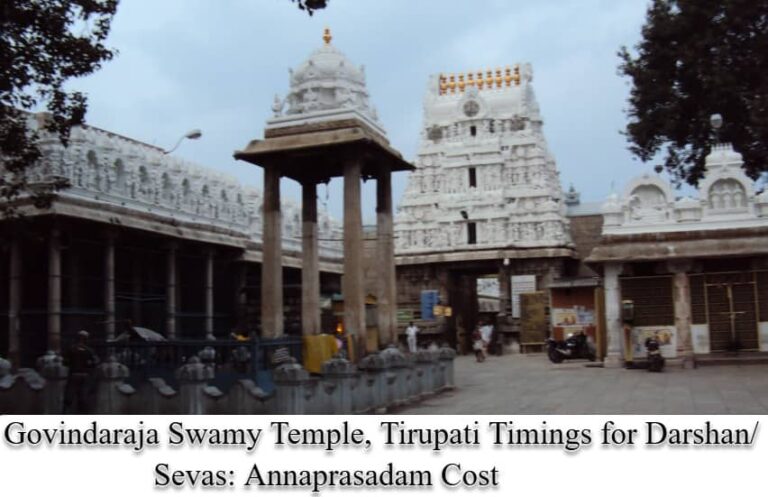
Govindarajaswamy Temple
Sri Govindarajaswamy Temple in Tirupati is an ancient Vaishnavaite shrine consecrated in 1130 AD by Saint Ramanuja, where the presiding deity rests in eternal Yoga Nidra on the serpent Adisesha.