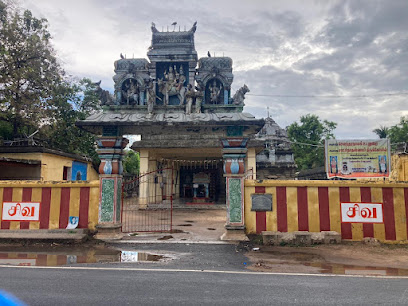
Avalivanallur Satchinathar Temple
About Avalivanallur Satchinathar Temple
The temple's origins extend to the early medieval period, with its establishment dating to the 7th century. The present stone structure took shape during the Chola period, when temple architecture flourished across the region. Inscriptions from the Chola era remain embedded in the temple's fabric, bearing witness to centuries of patronage and worship. Later additions and modifications have layered the temple's physical form, though the core sanctuary preserves the character of its ancient foundation.
The architectural tradition followed here reflects the conventions of Shaiva temples in Tamil Nadu, though specific details of the sanctum's design and the temple's structural layout are not extensively documented in available sources. Visitors interested in the finer points of the temple's construction and sculptural elements may benefit from consulting with temple authorities during their visit.
Daily Worship and Darshan
The temple maintains regular darshan hours for devotees. Morning worship runs from 7:00 AM to 12:00 PM, while evening darshan is available from 4:00 PM to 8:30 PM. The early morning and evening hours are recommended as the best times to visit, when the temple atmosphere is most conducive to worship and the number of visitors is typically manageable.
Regular poojas are conducted according to the temple's daily schedule. Prasad—sacred offerings—is distributed to devotees and typically includes vibhuti, kumkum, flowers, fruits, coconut, and cooked food offerings. Photography is not permitted within the temple premises, a restriction common to many traditional Hindu temples where the focus remains on worship rather than documentation.
Visiting the Temple: Practical Information
Visitors should dress modestly and traditionally. Men are expected to wear a veshti or dhoti, or alternatively decent trousers and a shirt. Women should wear a saree, salwar kameez, churidar, or other modest clothing. Shorts and revealing garments are inappropriate. Footwear must be removed where required by temple custom.
The temple is located at Avalivanallur in Tiruvarur district, Tamil Nadu, at coordinates 10.831883, 79.327415. The nearest railway station is Kumbakonam, approximately 21 kilometers away. Tiruchirappalli International Airport, about 100 kilometers distant, serves as the nearest major airport. Ammapettai Bus Stand lies roughly 6 kilometers from the temple. Visitors should carry drinking water and maintain silence and cleanliness within the temple grounds, following all instructions provided by temple staff.
Nearby Temples and Pilgrimage Routes
The temple's location within Tiruvarur district places it within reach of several other significant shrines. Aridwaramangalam Padaleswarar Temple lies 2.25 kilometers away, while Mullaivananathar Temple and Tirukoodaloor Aaduthurai Perumal Temple are approximately 7 kilometers distant. Pasupatheeswarar Temple at Aavoor and Apatsahayesvarar Temple at Alangudi are also within reasonable traveling distance. Pilgrims often combine visits to multiple Paadal Petra Sthalams in the region, creating a meaningful circuit of sacred sites.
Accommodation options exist in the surrounding area, though availability and amenities should be confirmed in advance. The temple can be incorporated into a broader pilgrimage itinerary exploring the Shaiva sacred geography of Tamil Nadu.
How to reach
You may also visit
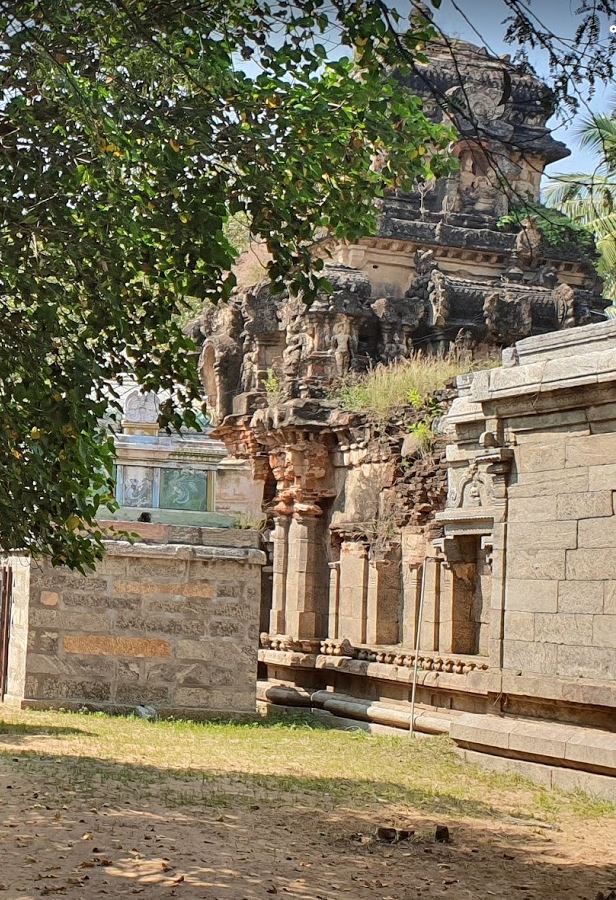
Agatheeswarar Temple, Karur
Agatheeswarar Temple in Thirumukkudalur, Karur district, is an ancient Hindu shrine dedicated to Shiva, situated at the sacred confluence of three rivers and believed to be over 1000 years old.
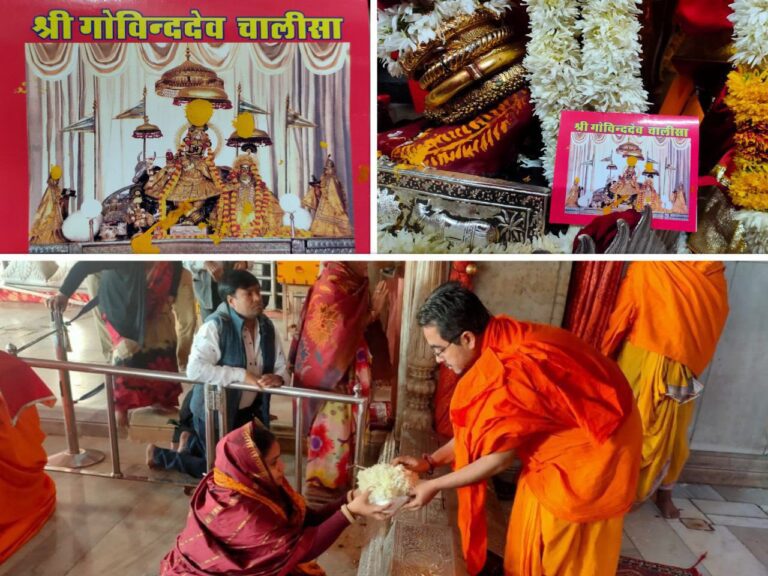
Kalyanji Temple
Kalyanji Temple in Jaipur's Chandpol Bazaar is an ancient Krishna shrine established in the 1820s, renowned for its seven daily aartis and special avatar darshan ceremonies during Akha Teej and Patottsav festivals.
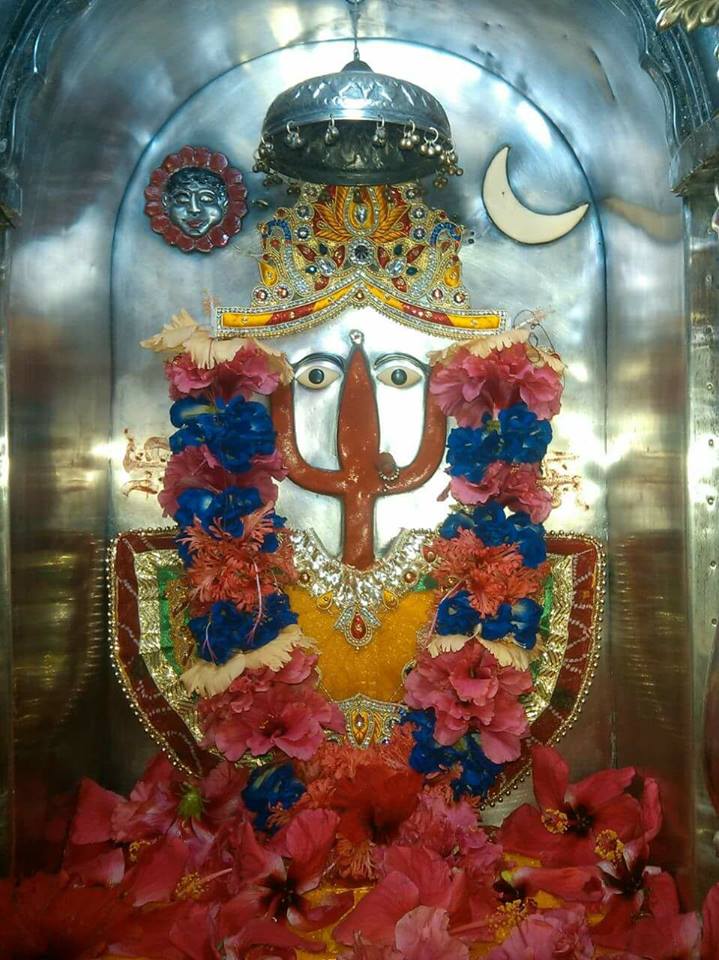
Rani Sati Mandir Mahuda
Rani Sati Mandir in Mahuda, Dhanbad District, is a Hindu temple established in 1992 that serves as a spiritual center for the local community and attracts devotees seeking blessings.