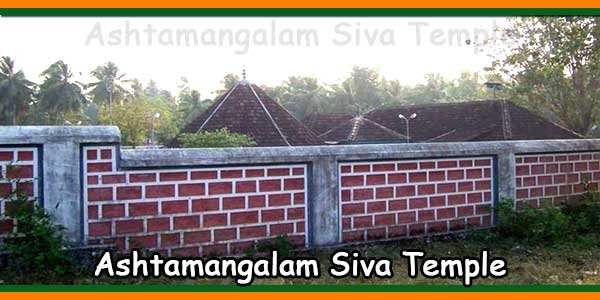
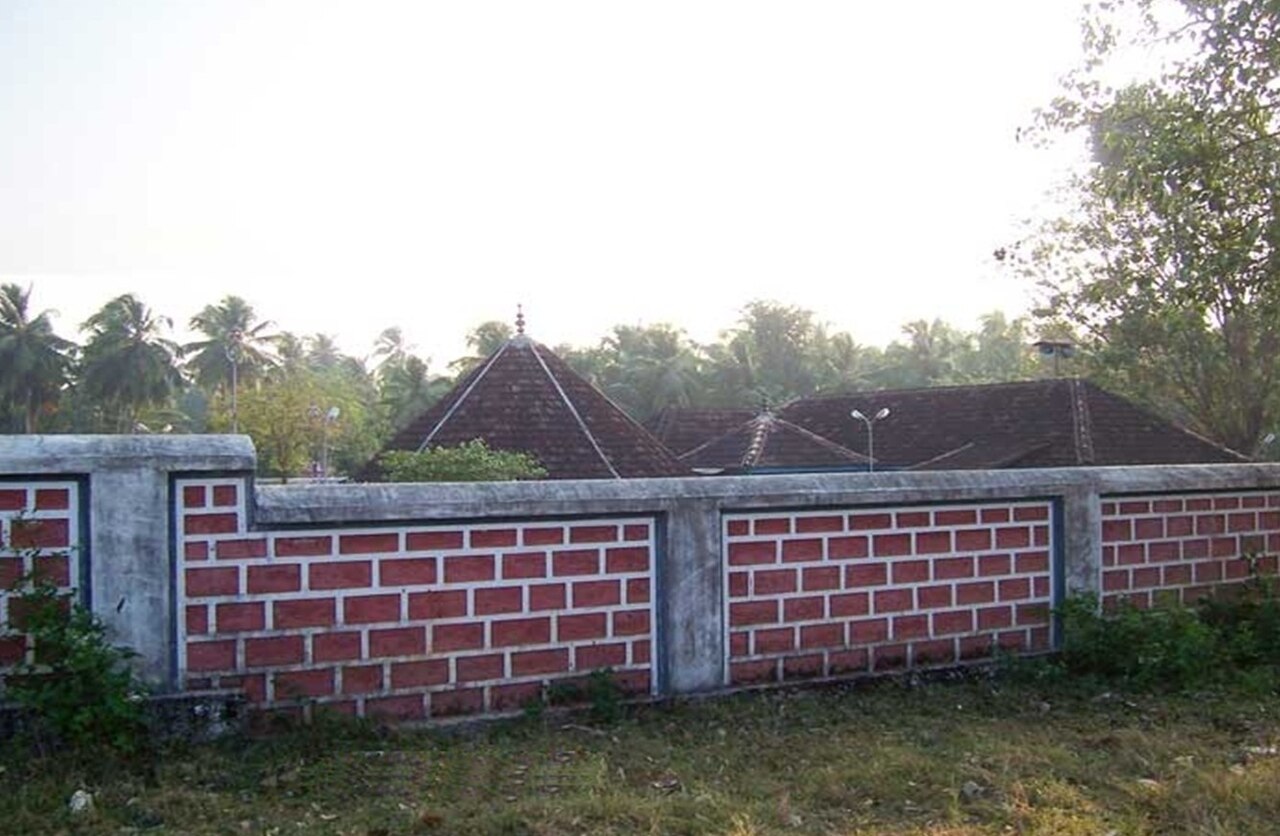

Ashtamangalam Siva Temple
About Ashtamangalam Siva Temple
The temple opens its doors to devotees during two distinct periods each day: morning hours from 05:30 to 09:30, and evening hours from 17:30 to 19:00. The early morning window offers quieter conditions suited to personal meditation and prayer, when the temple atmosphere tends toward stillness. Evening sessions typically draw greater community participation and ritual activity. Visitors planning their visit should consider which rhythm suits their spiritual practice—the contemplative solitude of dawn or the communal energy of dusk. The temple functions as a living space of active worship rather than a historical monument, and timing one's visit with awareness of these rhythms enhances the experience.
Shivarathri: The Festival of Shiva
The temple's most significant annual observance is Shivarathri, celebrated during the Malayalam month of Kumbha, which corresponds to December and January in the Gregorian calendar. This festival holds particular importance in Shaivite tradition, marking a night believed to carry heightened spiritual potency when the boundary between divine and human realms grows thin. Devotees observe the festival through night-long vigils, fasting, and intensified meditation and worship. Those planning a visit specifically for Shivarathri should prepare for larger crowds and more elaborate ceremonial activity than ordinary days. The festival represents the temple's most important moment in the annual cycle and offers an ideal opportunity for those seeking to experience the shrine's full spiritual significance.
Visiting with Respect: Dress and Conduct
Hindu temples maintain standards of modest dress and respectful behavior rooted in centuries of practice. Women typically wear sarees or salwar kameez, while men wear dhotis or simple trousers. Shoes must be removed before entering the sanctum, as is customary throughout Kerala's Shaivite shrines. The temple expects visitors to maintain ritual purity and composure within its precincts. Those unfamiliar with temple customs need not hesitate to observe other worshippers and follow their example—this provides reliable guidance for appropriate conduct. The temple functions as a space of living worship, and respectful silence and attentiveness to the atmosphere serve both personal spiritual practice and the broader community of devotees present.
Location and Access
Ashtamangalam Siva Temple is situated in the town of Ashtamangalam within Kariattukara, in Thrissur district in central Kerala. The temple lies near Karyattukara on the Laloor road, positioning it within the broader landscape of Thrissur's spiritual sites. For those using navigation applications, the precise coordinates are 10.517986°N, 76.186564°E. The surrounding region reflects central Kerala's characteristic landscape of lush vegetation and the pace of a smaller town. Several restaurants operate in the vicinity and throughout the broader Thrissur area, offering refreshment for visitors before or after worship. The temple's location makes it accessible to those exploring Thrissur's network of sacred sites.
Approaching the Sacred Space
Ashtamangalam Siva Temple invites visitors to approach with awareness that this is an active sanctuary of worship rather than a historical site to be observed from a distance. The early morning hours tend to offer quieter conditions suited to personal prayer, while evening sessions may draw more community participation and ritual activity. Those new to Hindu temple practice benefit from arriving with openness to the atmosphere and willingness to participate respectfully in the rhythms of worship. Visitors who approach with genuine reverence will find themselves welcomed into a space of profound spiritual significance within Kerala's enduring Shaivite tradition.
How to reach
You may also visit
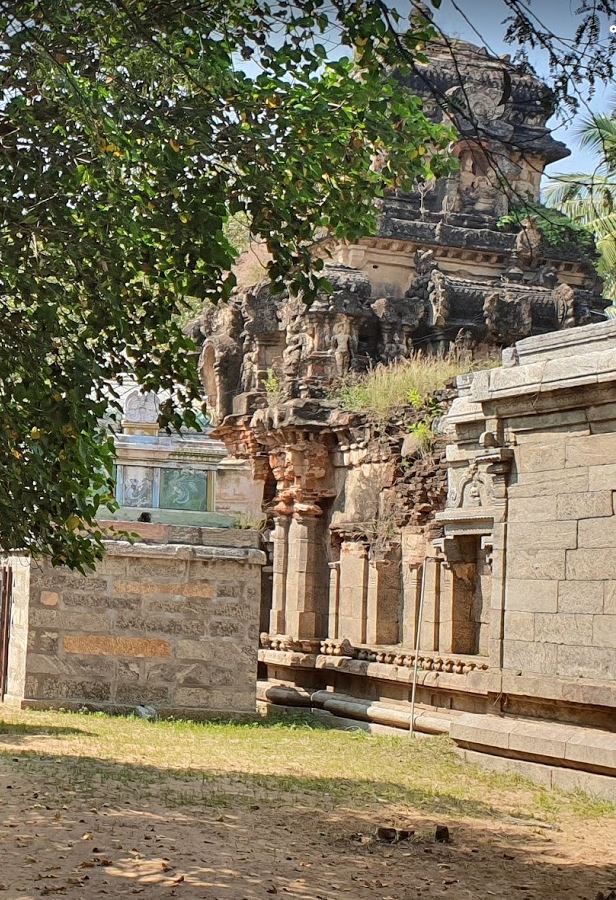
Agatheeswarar Temple, Karur
Agatheeswarar Temple in Thirumukkudalur, Karur district, is an ancient Hindu shrine dedicated to Shiva, situated at the sacred confluence of three rivers and believed to be over 1000 years old.
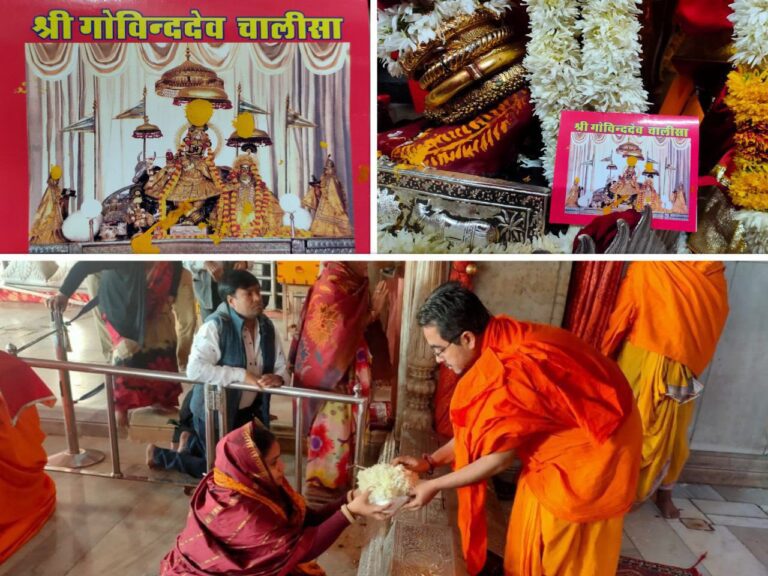
Kalyanji Temple
Kalyanji Temple in Jaipur's Chandpol Bazaar is an ancient Krishna shrine established in the 1820s, renowned for its seven daily aartis and special avatar darshan ceremonies during Akha Teej and Patottsav festivals.
Rani Sati Mandir Mahuda
Rani Sati Mandir in Mahuda, Dhanbad District, is a Hindu temple established in 1992 that serves as a spiritual center for the local community and attracts devotees seeking blessings.