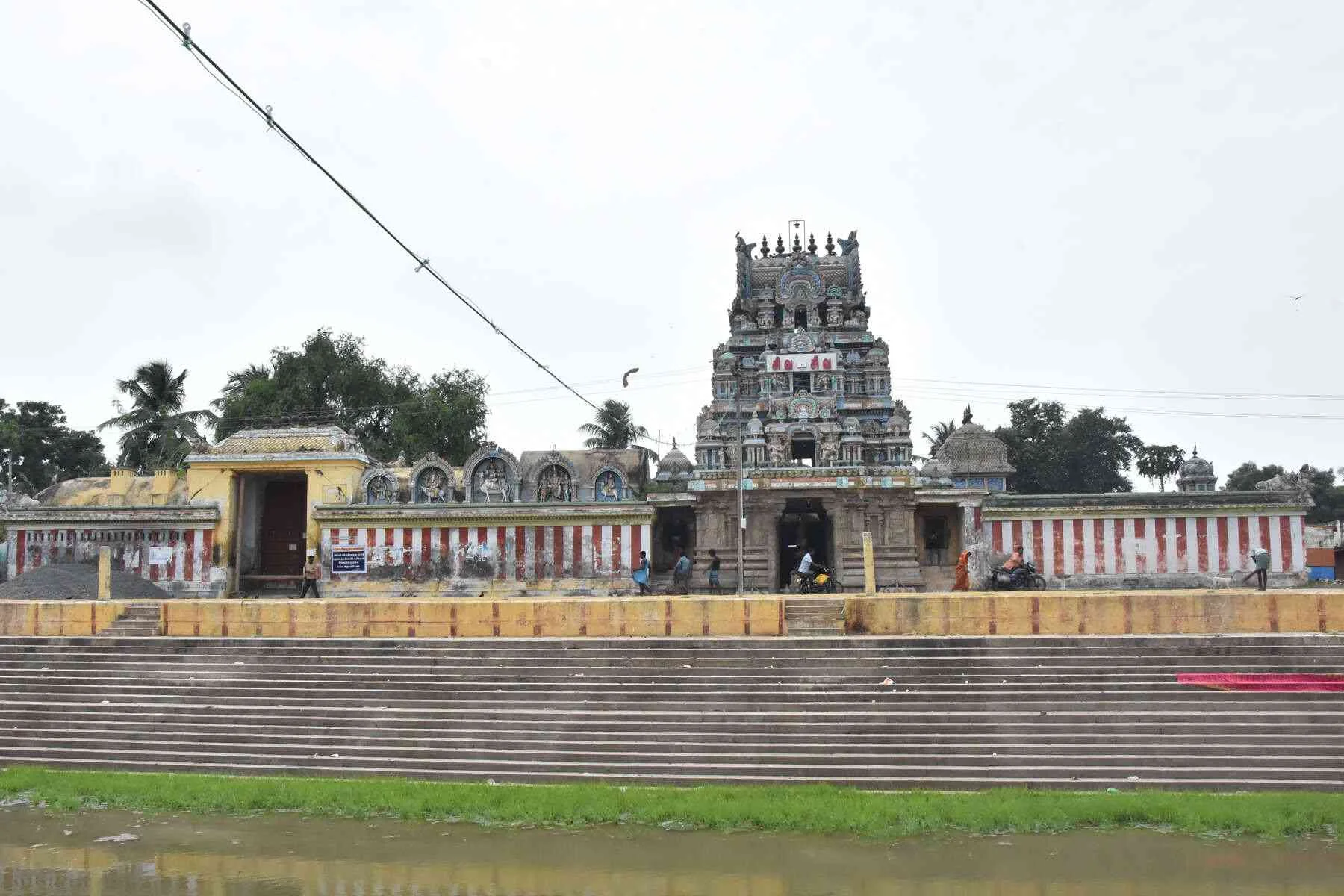
Aridwaramangalam Padaleswarar Temple
About Aridwaramangalam Padaleswarar Temple
The temple dates to the 7th century, making it among the older religious structures in Tamil Nadu. Its antiquity is further underscored by its inclusion in the Thevaram hymns of the saint Tirugnana Sambandar, one of the principal Shaiva poets whose compositions are central to Tamil devotional literature. The temple appears in official heritage records as a traditional temple of historical significance, anchoring it firmly within the broader landscape of Chola-era religious architecture and practice.
Architecture and Layout
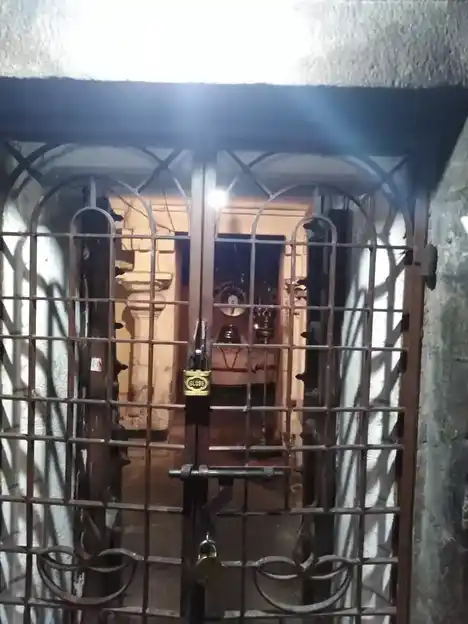
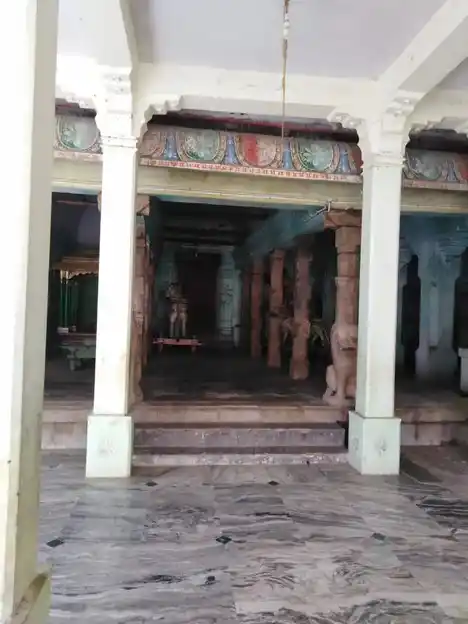
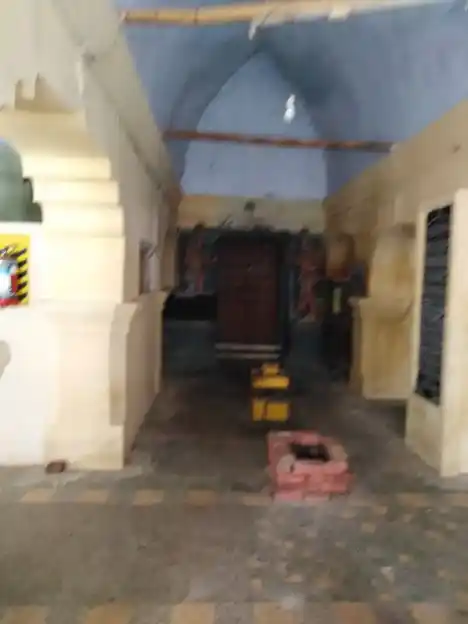
The temple features a three-tiered rajagopuram (gateway tower) facing east, a typical orientation for Hindu temples. The sanctum houses the swayambhumurthy form of Shiva. A sacred tank known as Brahmma theertham serves ritual and devotional purposes. The temple grounds include a shrine dedicated to the consort deity. The vanni tree is recognized as the temple's sacred tree, a detail consistent with Shaiva temple traditions where specific trees hold ceremonial importance.
Worship and Darshan
The temple follows the Kamika Agama tradition in its ritual practices. Utchikalam—the midday period—is considered the most auspicious time for darshan, when the deity is believed to be most receptive to worship. The temple is open from 6:00 a.m. to 12:30 p.m. in the morning and from 4:30 p.m. to 8:00 p.m. in the evening. Midday worship occurs between 10:00 a.m. and 12:00 p.m. Visitors seeking darshan during these hours will find the temple accessible for personal prayer and observation of rituals.
Festivals and Observances
Two major festivals draw devotees throughout the year. Vaikasi Visakam, celebrated in May or June, marks a significant observance at the temple. Margazhi Tiruvadhirai, held in December or January, is another important festival period. Beyond these, all major festivals associated with Lord Shiva are observed with ceremony. The temple's connection to Tirugnana Sambandar's devotional poetry means it participates in the broader Shaiva festival calendar recognized across Tamil Nadu.
Spiritual Significance for Devotees
Local tradition holds that worship at this temple brings particular blessings related to marriage and family. Devotees believe that those facing delays in marriage may find resolution through sincere worship here, and that those without children may receive that blessing. The deity is said to appear in a form associated with marriage ceremonies, reinforcing the temple's role as a place of petition for these life transitions. These beliefs reflect the temple's standing within the community as a site of both spiritual practice and practical intercession.
Visiting Information
The temple is located at Haridwaramangalam in Valangaiman Taluk, Tiruvarur district, approximately 16 kilometers from Kumbakonam and 22 kilometers from Thanjavur. Visitors should dress modestly, as is customary at Hindu temples. The temple maintains vegetarian food practices on its grounds. Nearby vegetarian restaurants serve those requiring meals. Contact numbers are available for inquiries: +91-4374-264586, +91-4374-275441, and +91-94421-75441. The postal code is 612802, useful for navigation and communication with the temple administration.
How to reach
You may also visit
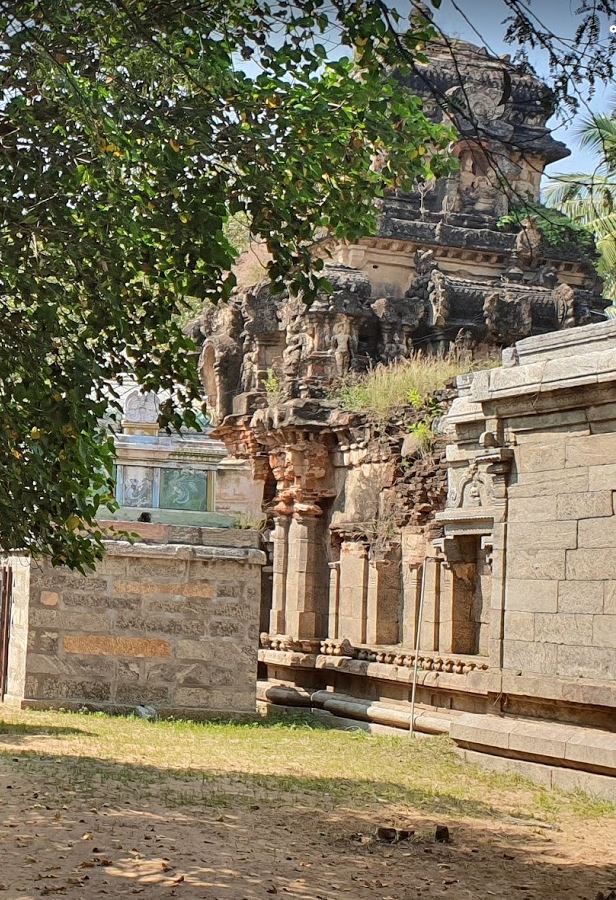
Agatheeswarar Temple, Karur
Agatheeswarar Temple in Thirumukkudalur, Karur district, is an ancient Hindu shrine dedicated to Shiva, situated at the sacred confluence of three rivers and believed to be over 1000 years old.
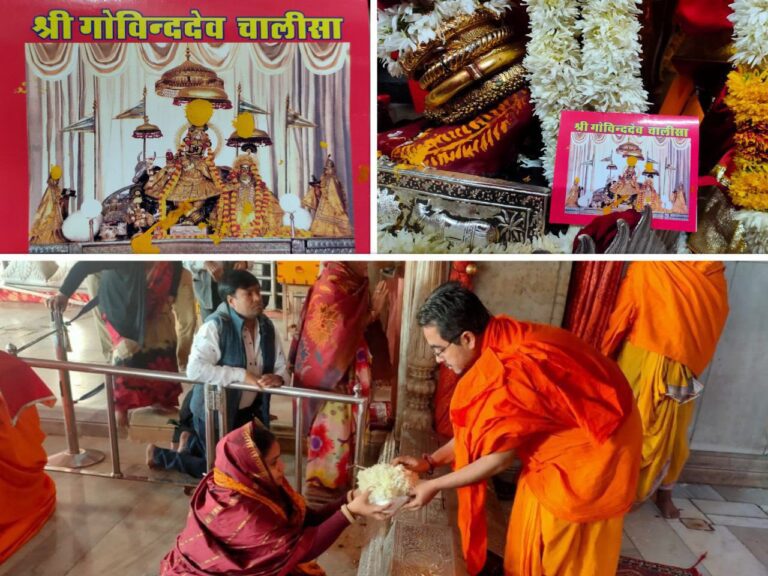
Kalyanji Temple
Kalyanji Temple in Jaipur's Chandpol Bazaar is an ancient Krishna shrine established in the 1820s, renowned for its seven daily aartis and special avatar darshan ceremonies during Akha Teej and Patottsav festivals.
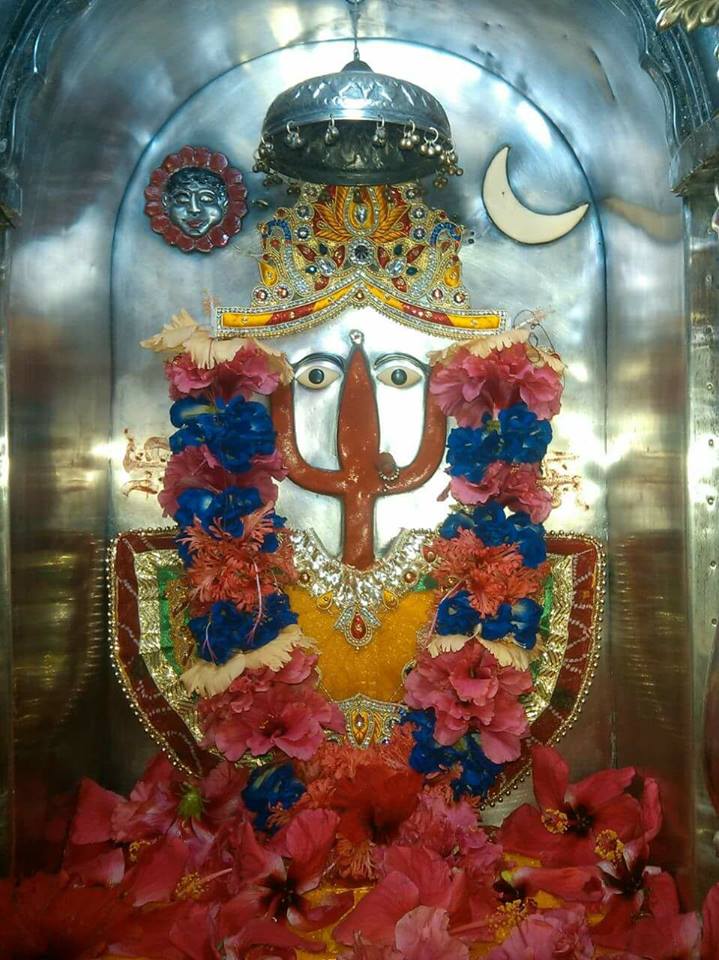
Rani Sati Mandir Mahuda
Rani Sati Mandir in Mahuda, Dhanbad District, is a Hindu temple established in 1992 that serves as a spiritual center for the local community and attracts devotees seeking blessings.