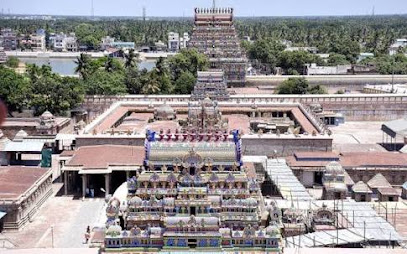
Araneri Achaleswarar Temple
About Araneri Achaleswarar Temple
The temple follows Dravidian architectural traditions characteristic of Tamil Nadu's sacred spaces. Its location within the Thyagaraja Temple complex means that a visit here naturally extends into exploration of the larger sanctuary, which contains multiple shrines and courtyards. The architectural style reflects the region's long history of temple construction and renovation, though the sources do not detail specific structural features or periods of major building work.
The compound setting offers visitors the opportunity to move between different shrines while remaining within a unified sacred precinct. This arrangement is typical of major temple complexes in the region, where multiple deities and manifestations are housed in proximity to one another.
Visiting Hours and Best Times
The temple opens at 6:00 am and closes at noon, then reopens at 4:00 pm until 8:00 pm. These timings follow the pattern common to many Tamil Nadu temples, which close during the hottest midday hours. Plan your darshan either in the early morning or after the afternoon reopening.
The most comfortable season for visiting is October through March, when temperatures are moderate and the climate is generally pleasant for pilgrimage. During the hotter months, an early morning visit is advisable. Since this is a working shrine with regular worship, confirm current timings locally before your visit, as special occasions may alter the schedule.
Conduct and Practical Information
Dress modestly, covering shoulders and knees, as is customary at Hindu temples. Remove your footwear at the designated stands before entering the shrine. Photography is not permitted inside the temple complex, so visitors should respect this restriction and focus on direct observation and prayer rather than documentation.
Prasad (blessed temple food) is available according to the temple's arrangements. Carry drinking water, particularly during warmer months. The atmosphere inside calls for quiet and respectful behavior. Senior visitors may find an early morning visit most comfortable, allowing time to move unhurriedly through the shrine before the day grows warm. Maintain cleanliness within the temple grounds as part of caring for this sacred space.
Significance in the Shaiva Tradition
As a Paadal Petra Sthalam, this temple belongs to a select group of shrines that received the highest honor in medieval Tamil devotional literature. The Nayamars—poet-saints of the Shaiva tradition—composed hymns of praise for these 275 temples, embedding them in a spiritual geography that pilgrims have followed for over a thousand years. Visiting such a shrine connects a devotee to this long chain of worship and remembrance.
Pradosham (the twilight hour sacred to Shiva, occurring twice monthly) and Maha Shivaratri (the great night of Shiva, celebrated annually) are occasions when Shiva devotees traditionally intensify their worship. While the sources do not specify festivals currently observed at this particular shrine, these are times when many Shaiva temples see increased pilgrimage.
How to Reach Tiruvarur
Tiruvarur Junction railway station lies 2 kilometers from the temple complex, making rail travel a practical option. Tiruchirappalli International Airport, approximately 115 kilometers away, serves as the nearest major air hub. The Tiruvarur Bus Stand, also about 2 kilometers distant, connects the town to regional bus networks. From any of these points, local transport or a short journey will bring you to the Thyagaraja Temple complex where Araneri Achaleswarar Temple is located.
The town of Tiruvarur itself is a pilgrimage destination with several temples and accommodations. Nearby towns such as Kumbakonam offer additional lodging options and are well-positioned for exploring multiple sacred sites in the region. Plan your accommodation in advance, particularly if visiting during festival seasons when temple towns fill quickly.
How to reach
You may also visit
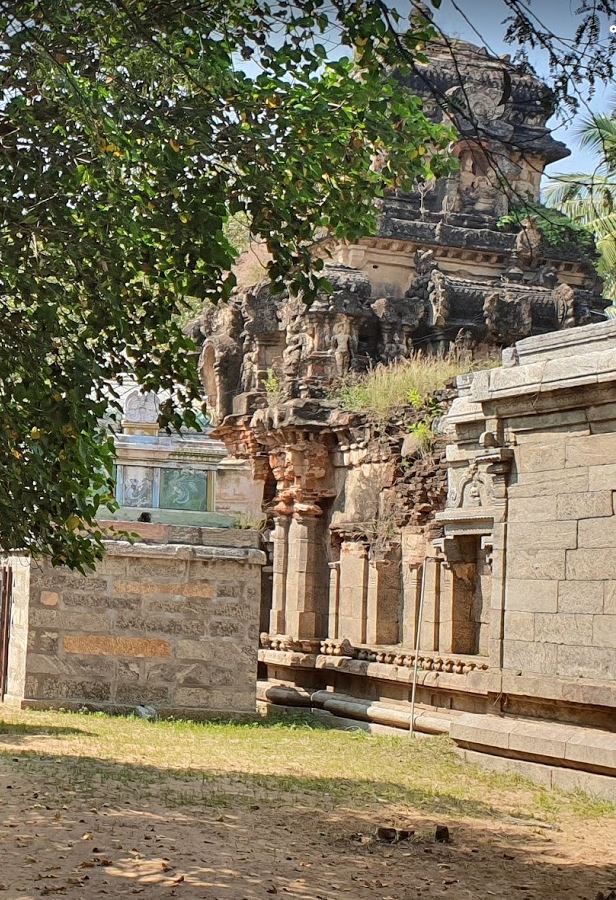
Agatheeswarar Temple, Karur
Agatheeswarar Temple in Thirumukkudalur, Karur district, is an ancient Hindu shrine dedicated to Shiva, situated at the sacred confluence of three rivers and believed to be over 1000 years old.
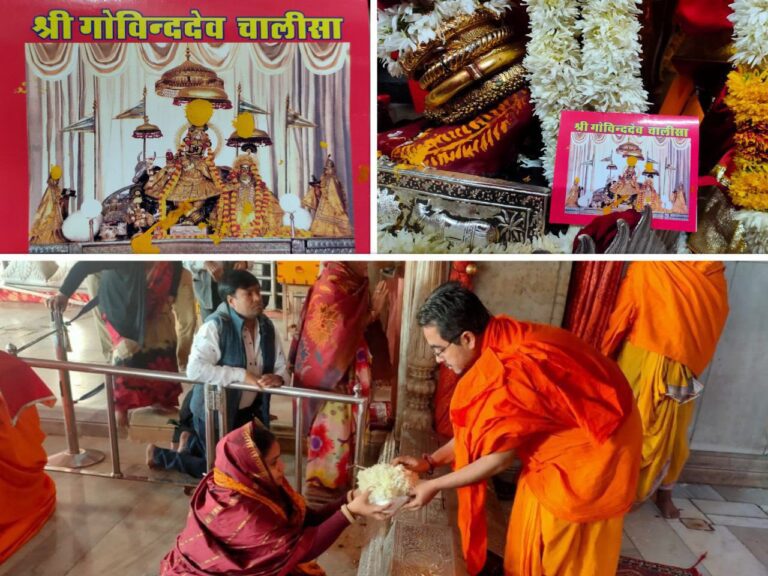
Kalyanji Temple
Kalyanji Temple in Jaipur's Chandpol Bazaar is an ancient Krishna shrine established in the 1820s, renowned for its seven daily aartis and special avatar darshan ceremonies during Akha Teej and Patottsav festivals.
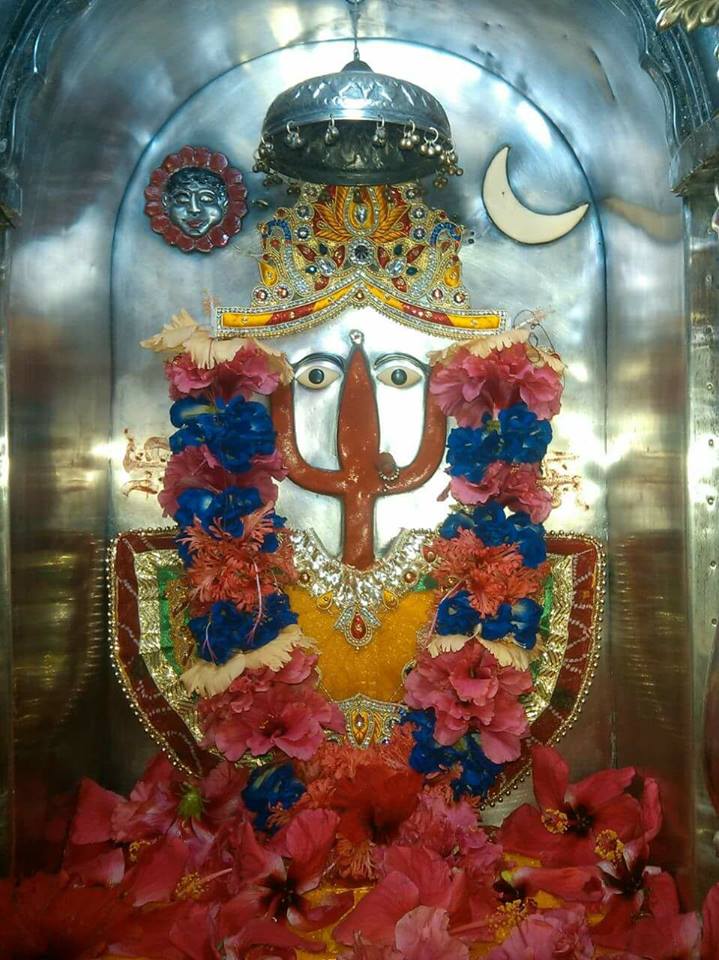
Rani Sati Mandir Mahuda
Rani Sati Mandir in Mahuda, Dhanbad District, is a Hindu temple established in 1992 that serves as a spiritual center for the local community and attracts devotees seeking blessings.