Anniyur Agnipureeswarar Temple
About Anniyur Agnipureeswarar Temple
Local tradition holds that Goddess Parvathi came to this place to perform penance before her marriage to Lord Shiva. Pleased with her devotion, Shiva granted her his darshan and later married her at the nearby temple of Thiruveezhimizhalai.
A second narrative concerns Agni, the fire deity. According to legend, Agni participated in a ritual sacrifice conducted by King Dakshan, who had deliberately excluded Lord Shiva from the ceremony. Angered by this disrespect, Shiva sent his forces to punish those who attended. In the conflict, Agni lost his hands and tongue and was cursed, rendering him unable to participate in future sacrifices. This led to drought and suffering across the land. Agni came to Vanniyur, installed a Shivalingam, created a sacred pond, and worshipped Lord Shiva using leaves from the vanni tree. Shiva, moved by this devotion, pardoned Agni, restored his lost body parts, and absolved him of his curses. Agni then requested that the Lord remain here to bless all who suffer from "ushnam"—a condition understood as heat-related ailments or spiritual imbalance. The temple's name derives from this history: the place was once called Vanni Oor or Agni Oor, names that evolved into Vanniyur and Anniyur.
Architecture and Layout
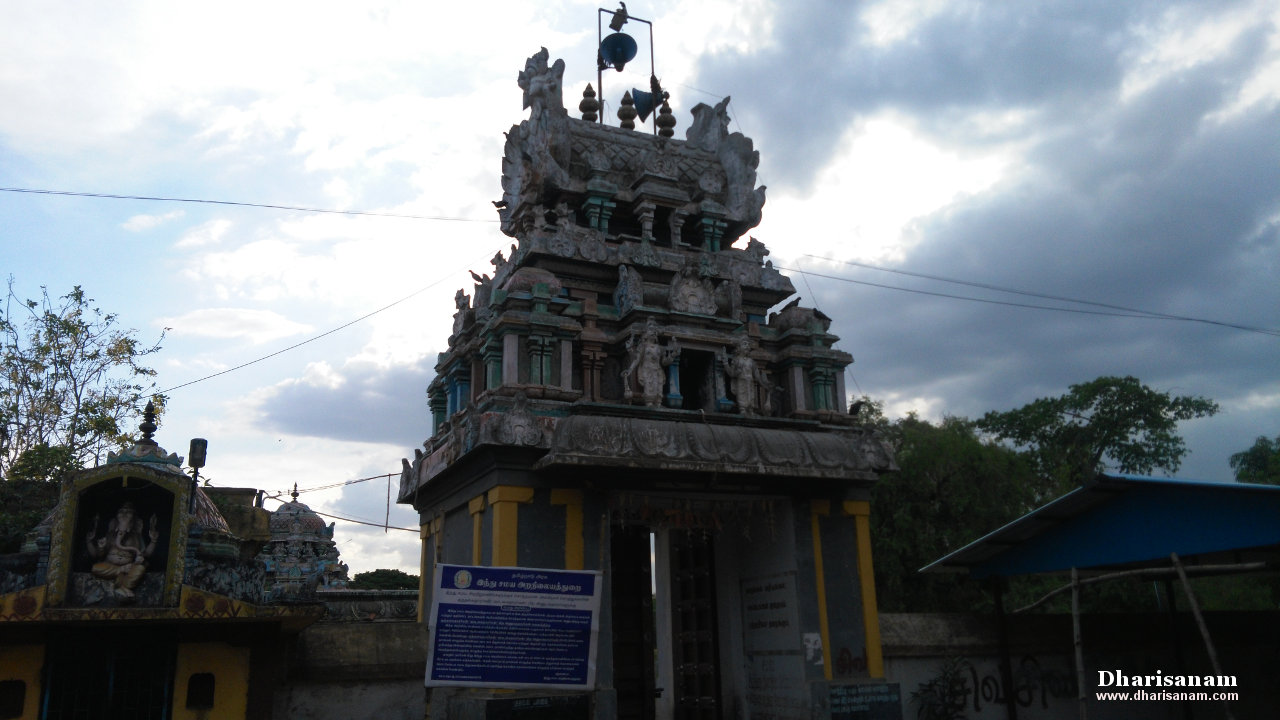
The temple faces east and features a single corridor with a two-tiered main tower (Rajagopuram). The structure does not include a flagstaff (Dwajasthambam). The sacred tree of the temple is the vanni tree, which holds significance in the worship practices here.
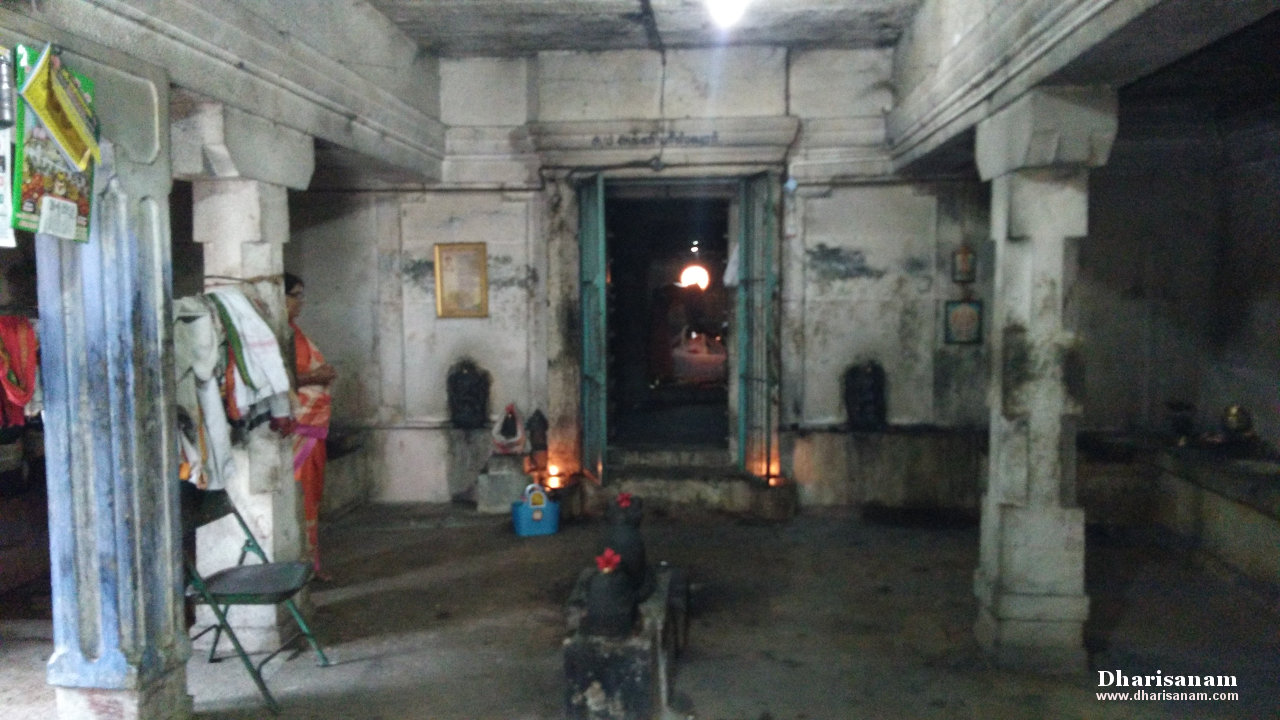
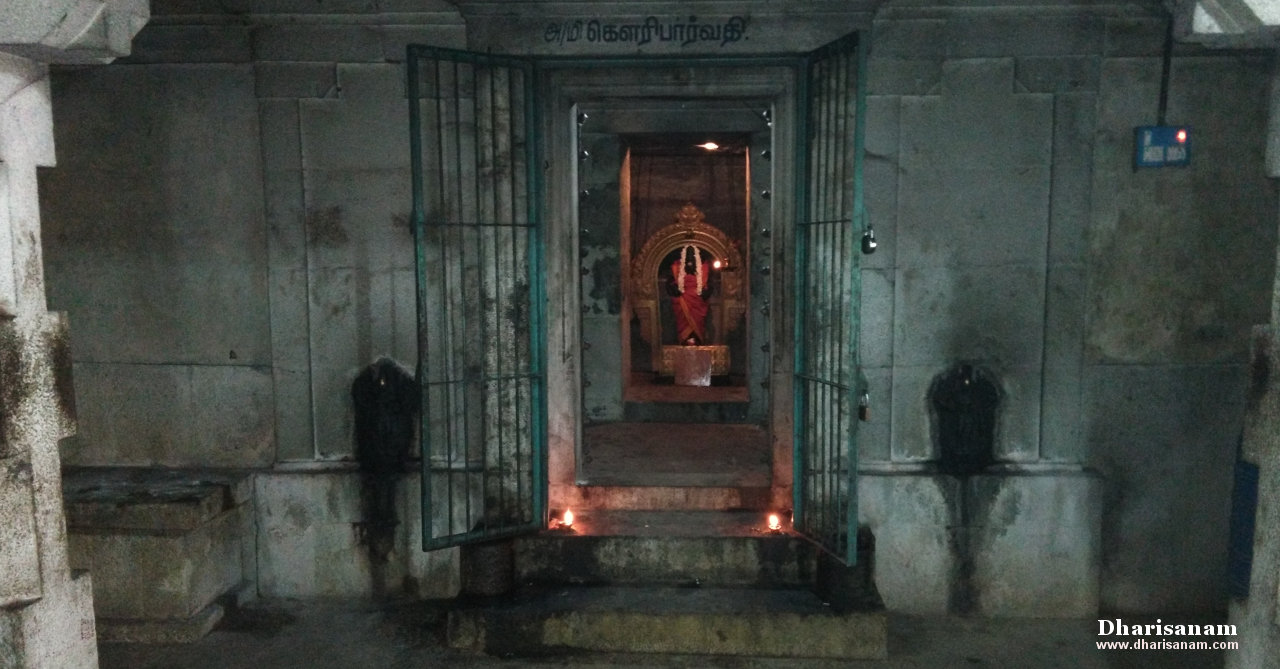
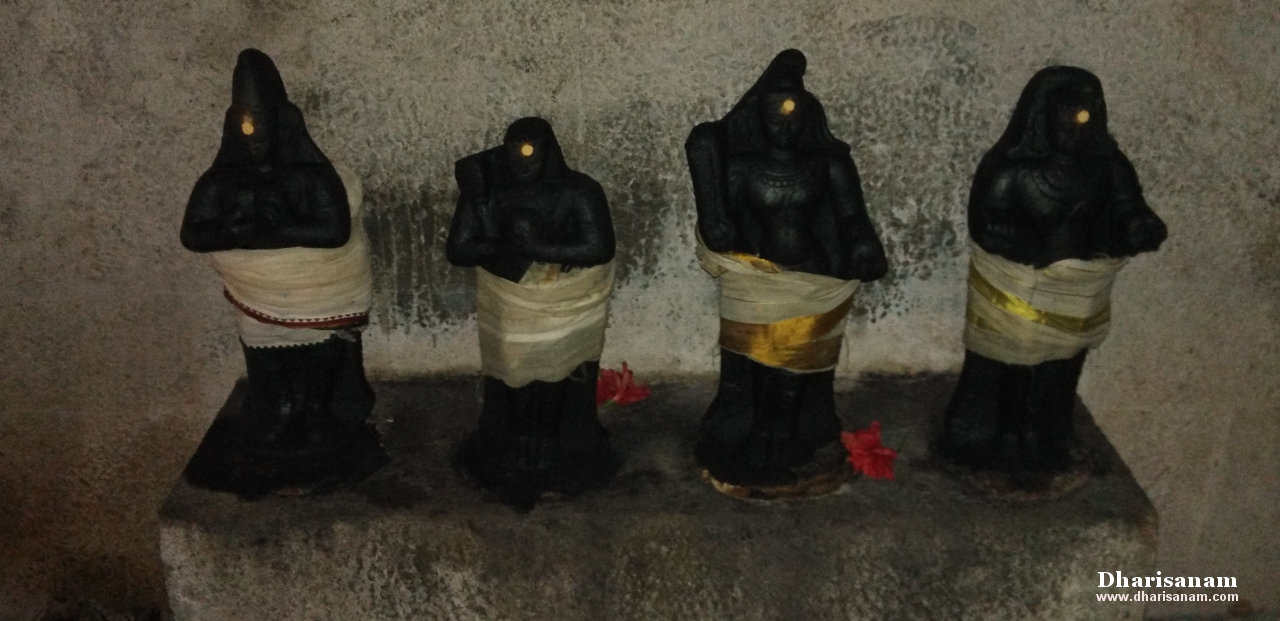
Within the temple grounds, a shrine dedicated to the four Saivite saints (Nalvar) is located in the front mandap. The shrine of Ambica (the Goddess) stands to the right, while the main sanctum of Agnipureeswarar is positioned opposite. Stone sculptures of the temple guardians (Dwarapalakas) are carved at the entrance. The temple underwent its most recent major consecration ceremony (Maha Kumbabishekam) on 21 August 2002.
Worship and Spiritual Significance
The temple is administered by the Hindu Religious and Charitable Endowments Department of the Government of Tamil Nadu. The glory of this temple was celebrated in the devotional hymns (Thevaram) of Saint Tirunavukkarasar (also known as Appar), one of the most revered Nayanar saints. His verses form part of the Thirumurai, the collected sacred hymns of the Saivite tradition.
Devotees visit this temple seeking blessings related to marriage and for remedies connected to vasthu (the principles of spatial harmony and balance in Hindu philosophy). The temple's association with Agni and the cooling grace of Shiva makes it a place where those seeking relief from various afflictions come to pray.
Visiting the Temple
The temple is open daily from 7:30 a.m. to 8:00 p.m. Visitors should dress modestly, as is customary at Hindu temples. Shoes are typically removed before entering the sanctum. Photography policies may vary; it is respectful to ask permission before photographing the deity or inner sanctum.
The temple can be reached from several nearby towns. From Mayiladuthurai, Vanniyur lies approximately 28 kilometres away via the Mayiladuthurai-Thiruvarur route; the journey involves passing through Poonthottam and Thiruveezhimizhalai. From Kumbakonam, the temple is about 28 kilometres distant on the Kumbakonam-Karaikkal route, with a diversion near S. Pudur. The postal code for the temple is 612 201.
Nearby Sacred Sites
The region around Vanniyur is rich with other Devara Paadal Petra temples. Thiruveezhimizhalai, where Shiva and Parvathi are said to have married, lies nearby. Other temples in the immediate vicinity include Karuvili Kottitai, Thirumiyachur, Thilathaipathy, Thiruppampuram, Serukudi, and Ambal Maakalam, making this area a significant pilgrimage circuit for devotees of the Nayanar tradition.
How to reach
You may also visit
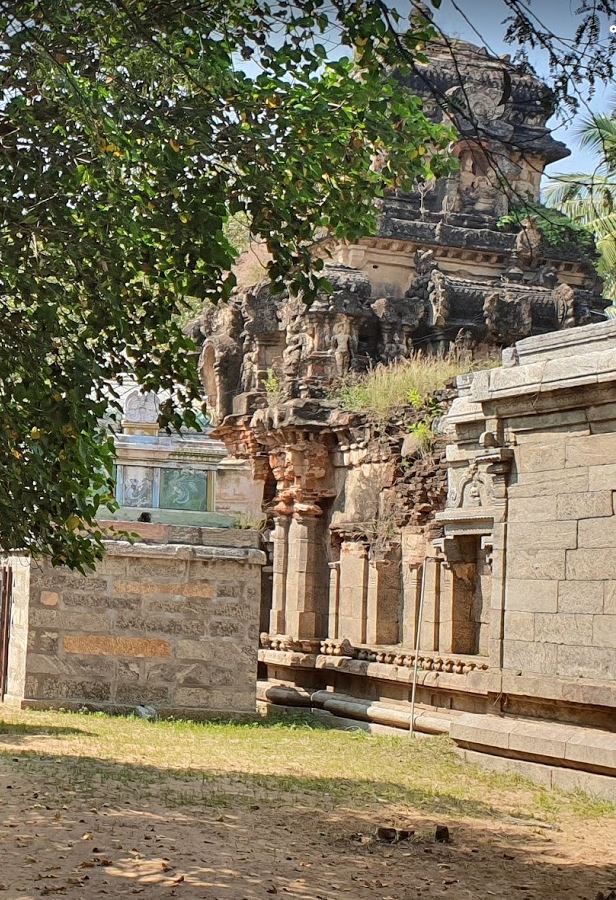
Agatheeswarar Temple, Karur
Agatheeswarar Temple in Thirumukkudalur, Karur district, is an ancient Hindu shrine dedicated to Shiva, situated at the sacred confluence of three rivers and believed to be over 1000 years old.
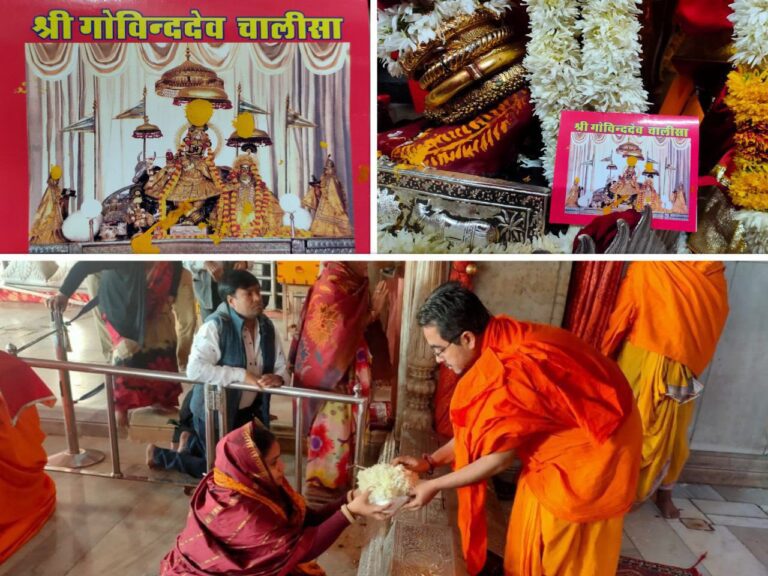
Kalyanji Temple
Kalyanji Temple in Jaipur's Chandpol Bazaar is an ancient Krishna shrine established in the 1820s, renowned for its seven daily aartis and special avatar darshan ceremonies during Akha Teej and Patottsav festivals.
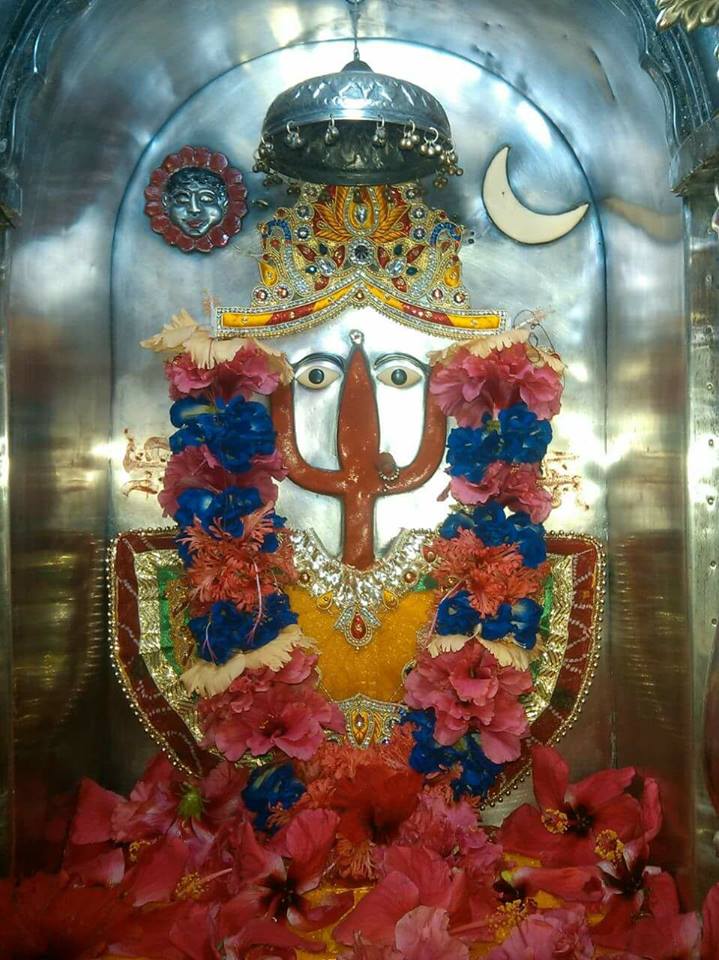
Rani Sati Mandir Mahuda
Rani Sati Mandir in Mahuda, Dhanbad District, is a Hindu temple established in 1992 that serves as a spiritual center for the local community and attracts devotees seeking blessings.