


Ambaji Mata Temple
About Ambaji Mata Temple
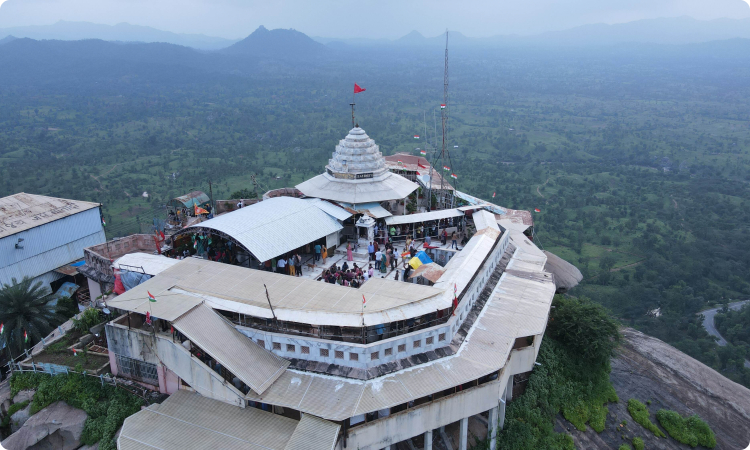
The temple has served as a pilgrimage destination for more than five hundred years, establishing itself as a cornerstone of religious life in the region. Over these centuries, it has accumulated the layered devotion of millions of worshippers, each generation adding to the spiritual resonance of the place. The temple complex that exists today reflects this long history of continuous worship and the evolving needs of an ever-growing community of devotees.
The Daily Rhythm of Worship
The temple maintains a structured pattern of darshan—sacred viewing of the deity—across three periods each day. Morning darshan runs from 07:00 to 11:30, afternoon darshan from 12:30 to 16:30, and evening darshan from 18:30 to 21:00. This arrangement allows devotees to visit according to their circumstances, though visitors should expect queues, particularly during the middle hours of the day.
Two principal aartis—rituals of worship involving light and prayer—mark the spiritual rhythm of each day. The Mangala Aarti begins at 06:00, welcoming the dawn, while the Sandhya Aarti takes place at 19:00 as evening falls. These ceremonies form the heart of daily temple practice, offering structured moments for collective devotion and prayer. Devotees often time their visits to coincide with these rituals, which carry particular spiritual significance within the Shakti tradition.
Festivals and Pilgrimage Occasions
Two major festivals draw particularly large gatherings to Ambaji. Navratri, the nine-day festival honouring the goddess in her various forms, transforms the temple into a centre of vibrant celebration and worship. The Bhadarvi Purnima Fair, held annually according to the lunar calendar, brings crowds of pilgrims to mark this significant date. Both occasions intensify the spiritual atmosphere and create opportunities for collective devotion, though they also result in substantial crowds and require advance planning by visitors.
Visiting Ambaji: Practical Information
The most comfortable season for travel extends from October through March, when weather conditions favour pilgrimage to this elevated location. Visitors should plan their arrival according to the three daily darshan periods and be prepared for queues, particularly during peak hours between late morning and early afternoon.
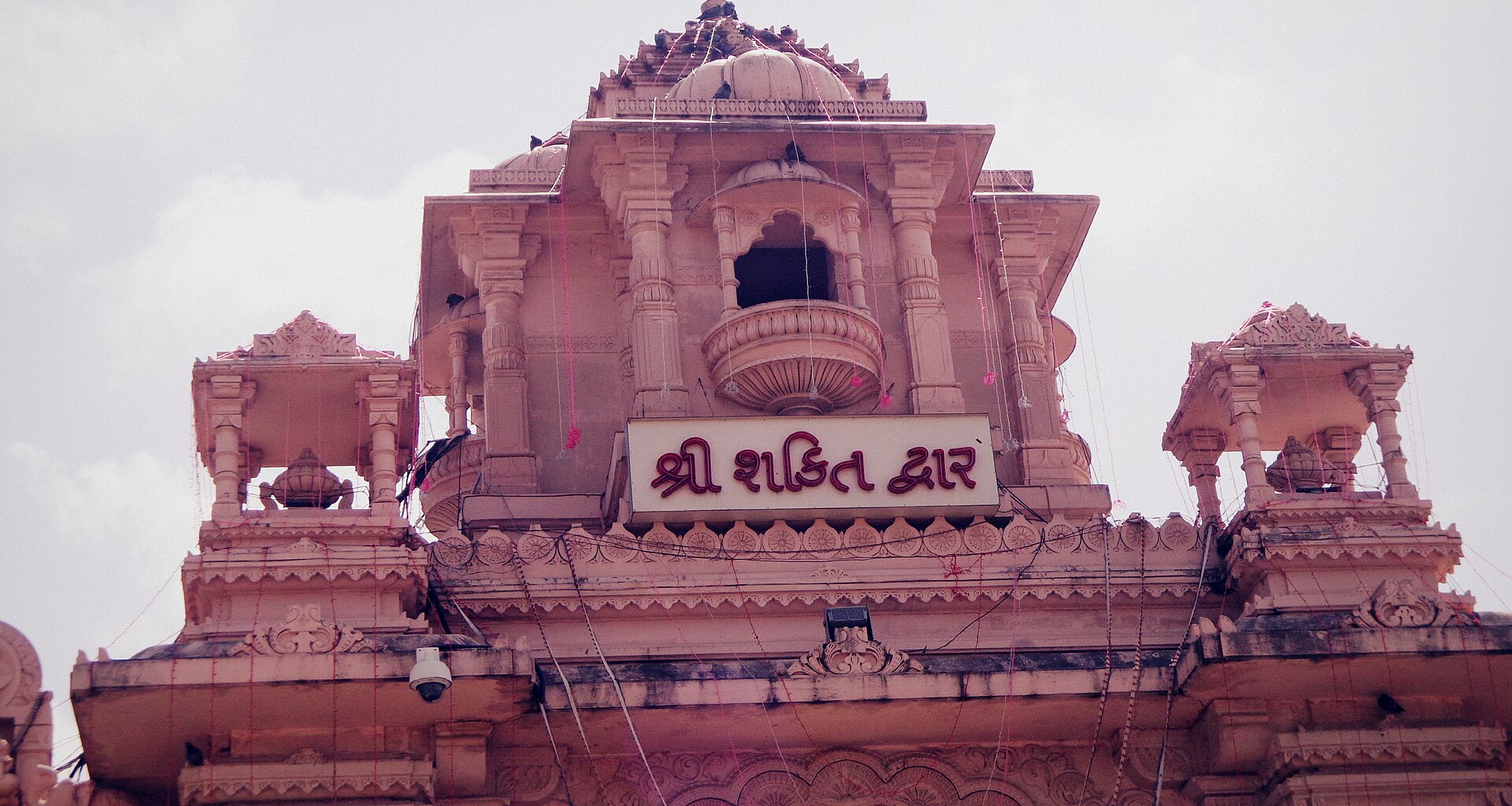
The temple provides practical facilities for pilgrims of varying needs. Wheelchairs and assistance centres for elderly and differently-abled visitors are available at the VIP Plaza near the Main Shakti Gate. Visitors should maintain cleanliness and discipline within the temple grounds, stand peacefully in queues, and take care of their belongings. The temple requests that devotees show particular consideration for children, senior citizens, and those with mobility challenges.
The Shree Yantra and Sacred Geometry
The temple houses the world's largest Shree Yantra, a geometric representation of divine energy that holds profound significance in Shaktism. This sacred symbol draws devotees who seek to experience the concentrated spiritual power it is believed to embody, adding another dimension to pilgrimage at this site.
Location and Access
Ambaji is situated in the town of Ambaji within Danta taluka, Banaskantha district, in Gujarat. The temple's coordinates are 24.33°N, 72.85°E. For current information about facilities, darshan timings, and any temporary changes to services, the official temple contact is available through their website and phone line.
How to reach

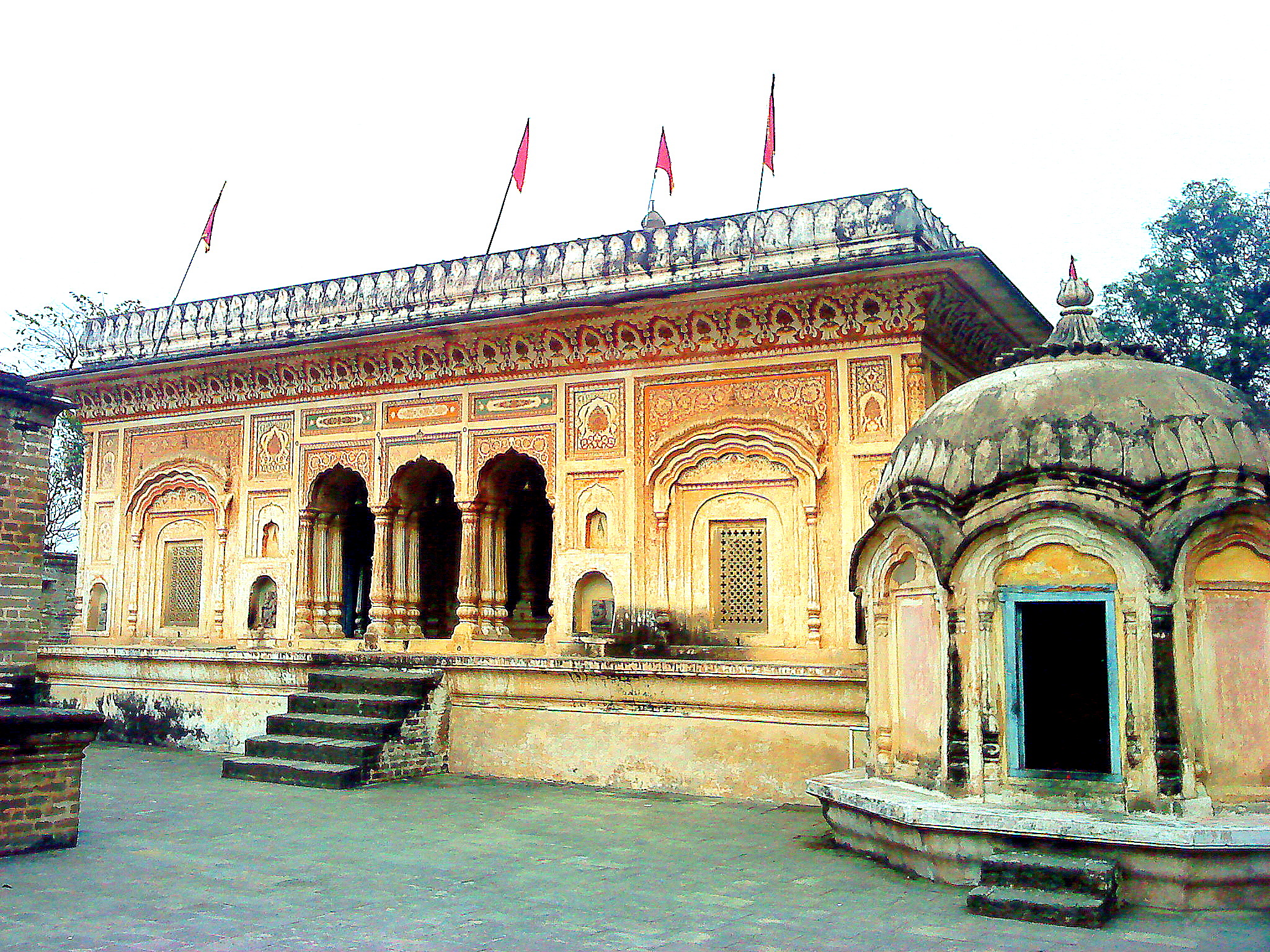
Temples near Ambaji Mata Temple
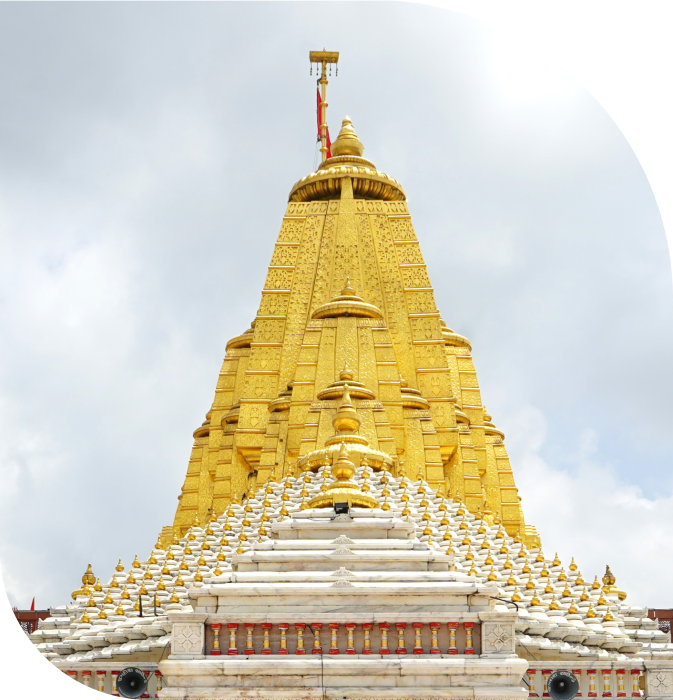
Arasuri Amba Temple, Ambaji
Ambaji Temple is one of India's 51 Shakti Peethas, believed to house the heart of Goddess Sati. Located in the Arasuri Hills of Gujarat, it is distinguished by worshipping a gol…
Kumbheshwar Mahadev temple, Ambaji
Ambaji Temple is one of India's 51 Shakti Peethas, believed to house the heart of Goddess Sati. Rather than a traditional idol, devotees worship a gold-plated Shree Yantra—the w…
Kamakshi Devi Temple, Ambaji
Ambaji Temple is one of India's 51 Shakti Peethas, believed to be the sacred site where the heart of Goddess Sati resides. Located in the Aravalli Hills of Gujarat, it is unique…

Achaleshwar Mahadev Temple
Achaleshwar Mahadev Temple, built in the 9th century by the Paramara dynasty near Achalgarh Fort, is a unique Shiva shrine where devotees worship the sacred right toe of Lord Sh…
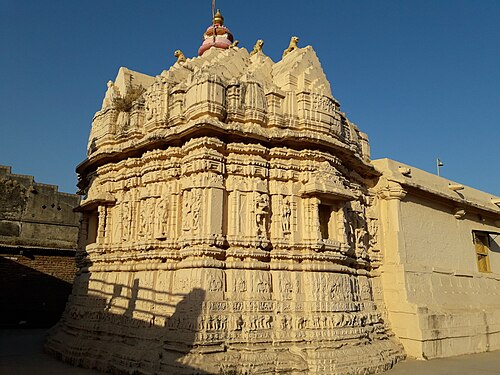
Brahma Temple, Khedbrahma
Brahma Temple in Khedbrahma is one of India's rare shrines dedicated to Brahma, the creator god, constructed in the late 11th century and representing an extraordinary pilgrimag…

Sharaneshwar Temple, Abhapur
Sharaneshwar Temple in Abhapur, Polo Forest, Gujarat is an ancient shrine dedicated to Lord Shiva, situated between river streams with sacred caves and a mystical yantra forming…