

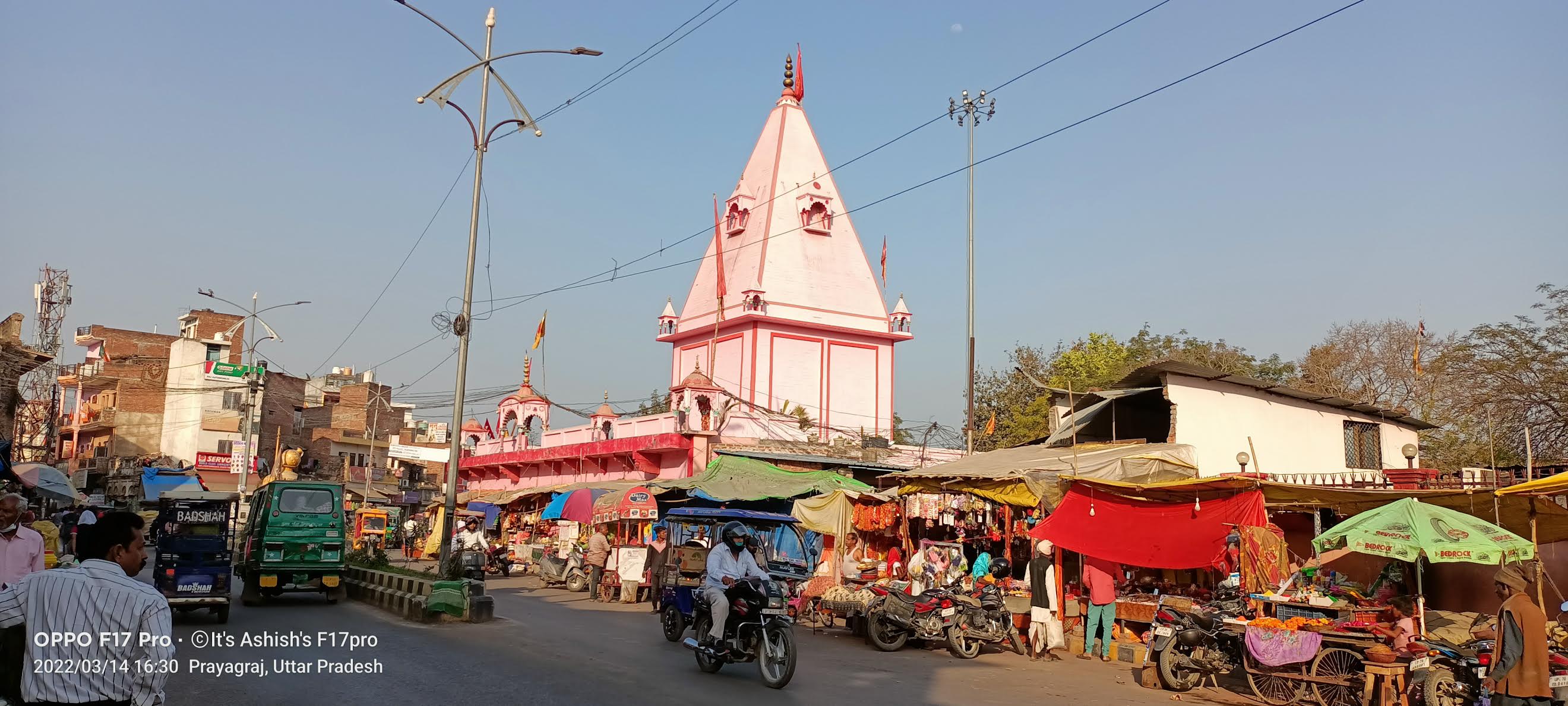
Alopi Devi Mandir
About Alopi Devi Mandir
The temple was established between 1771 and 1772, during a period of significant development at the Sangam. Historical records indicate that Maratha warrior Shreenath Mahadji Shinde undertook work to develop the Sangam area during his time in Prayagraj, and the temple's founding falls within this era of renewal. In the 1800s, Maharani Baizabai Scindia contributed to further renovation work on the ghats and temples at Prayagraj, demonstrating continued patronage and maintenance of the sacred site across generations.
The Deity and Worship Tradition
The temple is dedicated to goddess worship within the Shakti Peeth tradition—a lineage of temples across the Indian subcontinent that honor the divine feminine in her various forms. While the specific name or manifestation of the goddess is not recorded in available sources, the temple's classification as a Shakti Peeth indicates it is part of a broader network of sacred sites devoted to the goddess. The presence of a wooden doli (a traditional palanquin used in temple processions) suggests that ceremonial worship and ritual processions form part of the temple's practice.
Daily Worship and Darshan
The temple opens daily at 5:00 AM and closes at 10:00 PM, providing extended hours for devotees to visit. Two principal aartis structure the day: the morning aarti begins at 5:30 AM, and the evening aarti takes place at 7:00 PM. These rituals offer formal moments of worship and spiritual connection.
For those seeking a quieter darshan experience, the early morning hours between 6:00 and 9:00 AM provide a calmer atmosphere before crowds accumulate. The early evening period from 5:00 to 8:00 PM similarly offers a more intimate setting for those wishing to combine this visit with other stops in their pilgrimage. Mondays and Fridays typically draw heavier footfall, so visitors prioritizing shorter queues may wish to plan their visit for other days of the week.
Festivals and Seasonal Observance
Navratri, the nine-day festival honoring the goddess, brings heightened devotional activity to the temple and substantially longer waiting times. This festival period, observed across Hindu communities, represents the peak season for goddess worship and draws pilgrims specifically to temples of this tradition.
The winter months from October through March offer the most comfortable conditions for pilgrimage to Prayagraj. During this period, moderate temperatures make the journey to the temple and surrounding sacred sites more manageable, and the cooler weather allows for extended time spent in prayer without the strain of summer heat.
Practical Information for Visitors
Visitors should plan to arrive during the temple's operating hours of 5:00 AM to 10:00 PM. The morning aarti at 5:30 AM and evening aarti at 7:00 PM mark significant moments in the temple's daily rhythm and offer opportunities for formal worship. Modest dress is customary when visiting Hindu temples; visitors should be prepared to remove footwear before entering the sanctum. The temple's location near the Sangam means that many pilgrims combine a visit here with ritual bathing at the confluence and visits to other sacred sites in the area. Those planning to visit during Navratri should expect substantial crowds and allow additional time for darshan.
How to reach
You may also visit
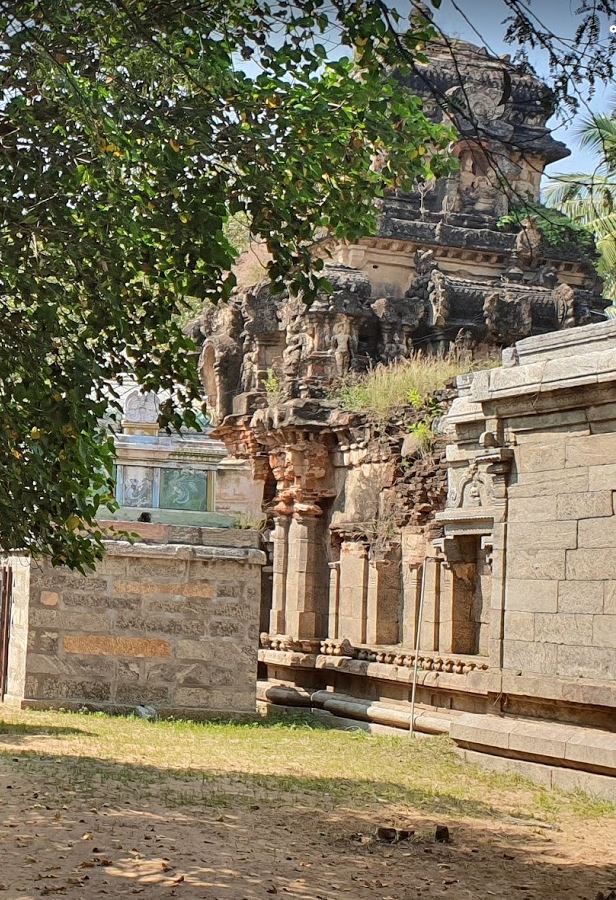
Agatheeswarar Temple, Karur
Agatheeswarar Temple in Thirumukkudalur, Karur district, is an ancient Hindu shrine dedicated to Shiva, situated at the sacred confluence of three rivers and believed to be over 1000 years old.

Kalyanji Temple
Kalyanji Temple in Jaipur's Chandpol Bazaar is an ancient Krishna shrine established in the 1820s, renowned for its seven daily aartis and special avatar darshan ceremonies during Akha Teej and Patottsav festivals.
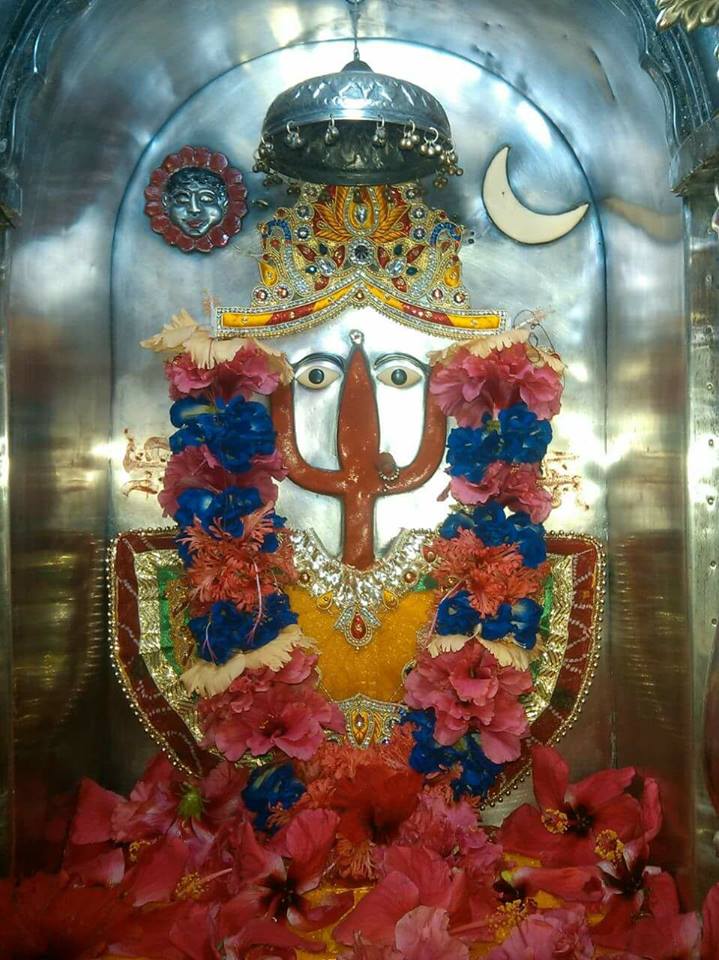
Rani Sati Mandir Mahuda
Rani Sati Mandir in Mahuda, Dhanbad District, is a Hindu temple established in 1992 that serves as a spiritual center for the local community and attracts devotees seeking blessings.