Aazhimala Shiva Temple
About Aazhimala Shiva Temple
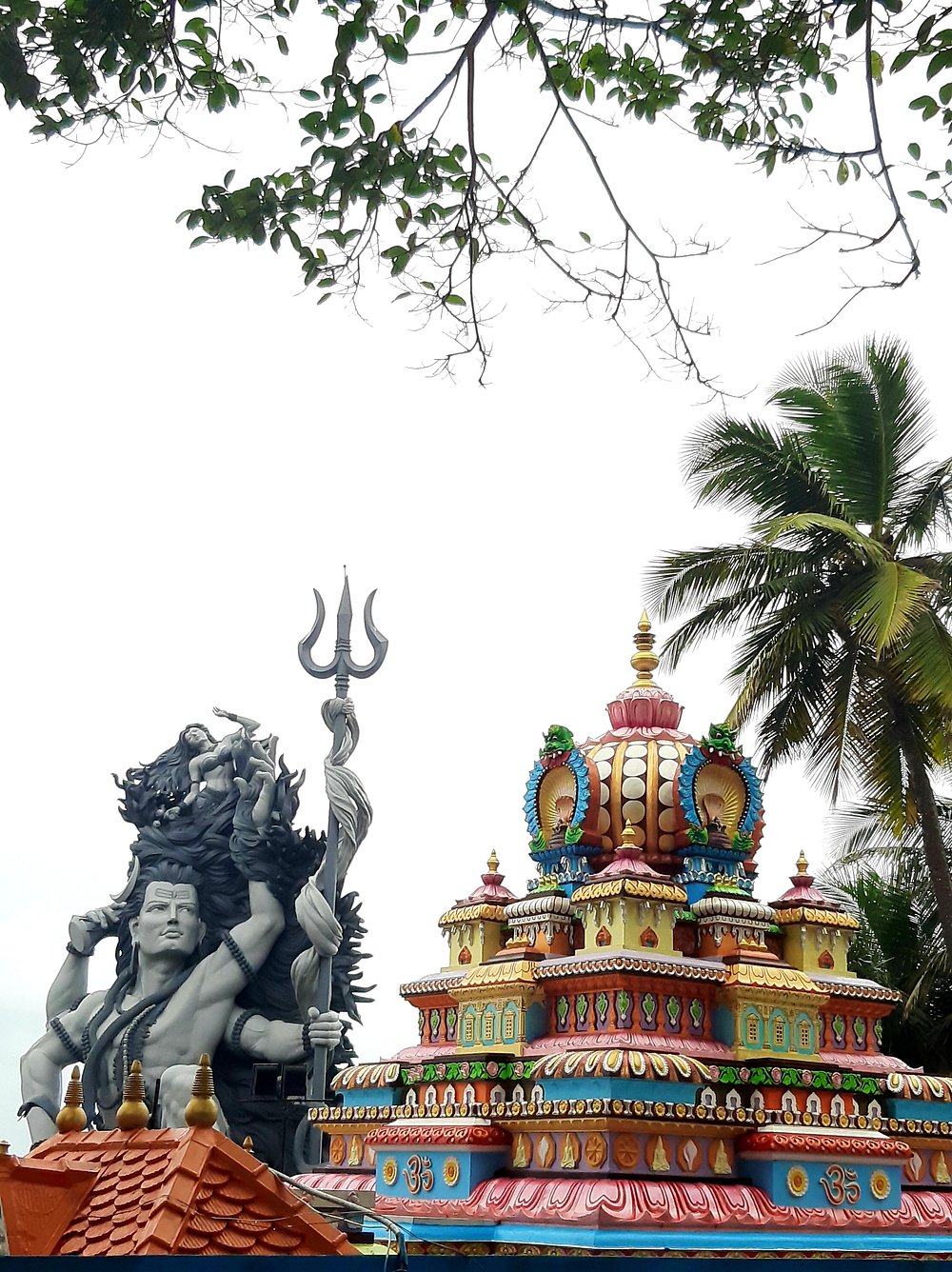
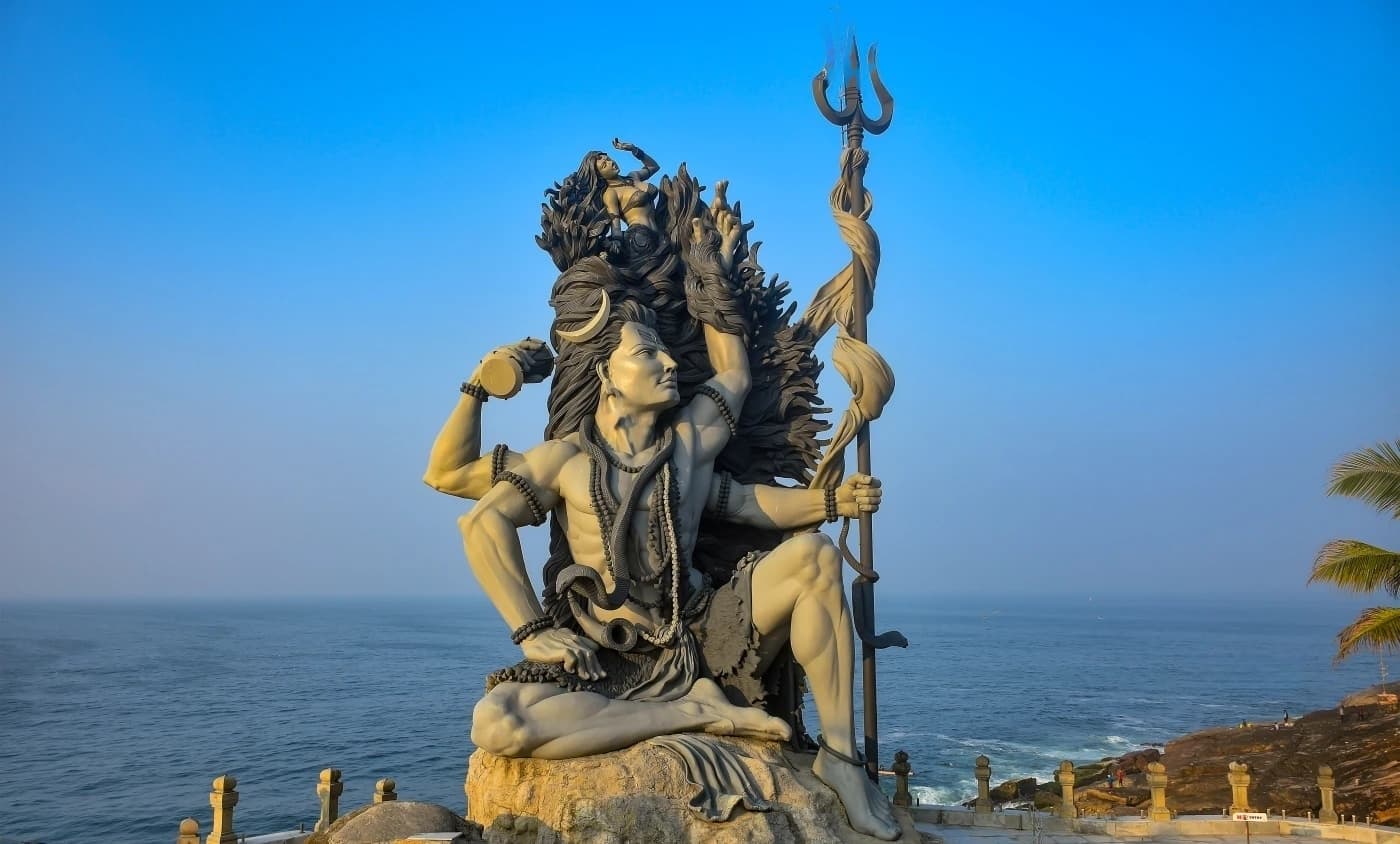
Local tradition connects Aazhimala to the Pandavas during their period of concealment, with the natural caves in the rock formations serving as reminders of this connection. According to local accounts, Bheemasena created a water source by striking a rock with his knee to quench Panchali's thirst—a story preserved in the temple's oral heritage. While such associations belong to devotional memory rather than documented history, they form part of how the community understands the site's sacred significance.
The Kullakadavu stream has historically served temple rituals and is believed locally to possess medicinal properties. Its consistent flow regardless of season has made it a reliable water source for daily worship practices.
Daily Darshan and Worship
The temple maintains two darshan sessions: morning from 5:30 to 10:30 and evening from 17:00 to 19:30. Tuesdays are marked by the Naranga Vilakku ritual, though specific timing for this observance is not documented. Visitors should plan their visits within these established hours.
The steep terrain of the approach requires consideration when planning your visit. The road descends sharply to the temple, which can create congestion during busy periods and may present difficulty for those with mobility limitations or for vehicles attempting the descent. Parking is available above the temple, though reaching it from the upper parking area involves climbing. Visiting during less crowded hours will provide a more comfortable experience for most visitors.
Makaram Utsavam Festival
The Makaram Utsavam festival, observed during January and February, draws significant numbers of devotees and marks the principal celebration at the temple. This is the recommended season for visiting if you wish to experience the temple's festive observances, though the increased crowds during this period should be weighed against the preference for quieter visiting hours mentioned above.
Practical Information for Visitors
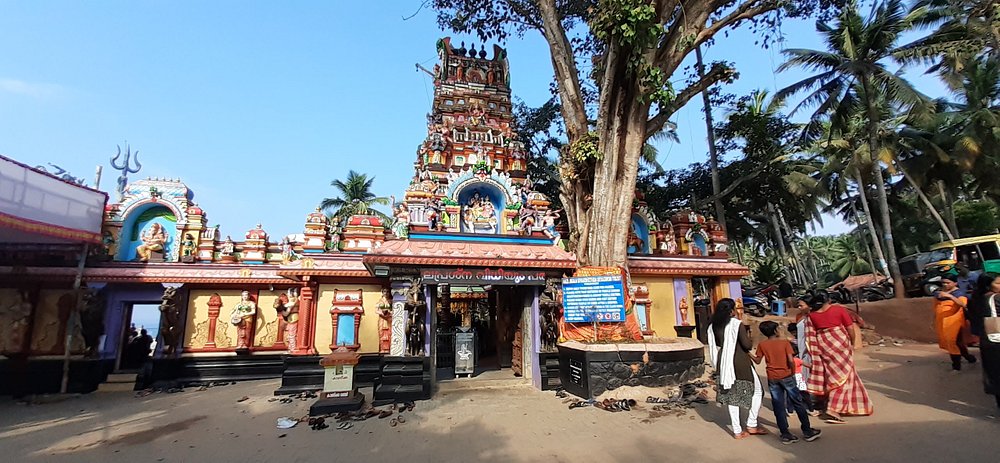
Reach the temple by heading toward Vizhinjam in Thiruvananthapuram district; the address is Aazhimala Siva Temple, Pulinkudi, Mulloor PO, Thiruvananthapuram, Kerala 695521. Standard temple etiquette applies: remove footwear before entering the sanctum, dress modestly, and maintain respectful behavior during worship. Temples dedicated to Shiva typically welcome visitors of all backgrounds, though participation in rituals may be reserved for initiated devotees depending on the temple's specific practices.
Bring water and sun protection, as the coastal location offers little shade and the steep terrain can be taxing. The combination of rocky ground and sea exposure means sturdy footwear for the approach is advisable, though you will remove it before entering the inner sanctum. Parking availability is limited, particularly during festival periods, so arriving early or during off-peak hours is practical.
Governance and Contact
The temple is governed by the Aazhimala Shiva Temple Devaswom Trust. For specific information about poojas, current timings, or festival schedules, contact the temple directly at +91 471 22 684 22 or visit their official website for updates on worship practices and seasonal observances.
How to reach
Temples near Aazhimala Shiva Temple
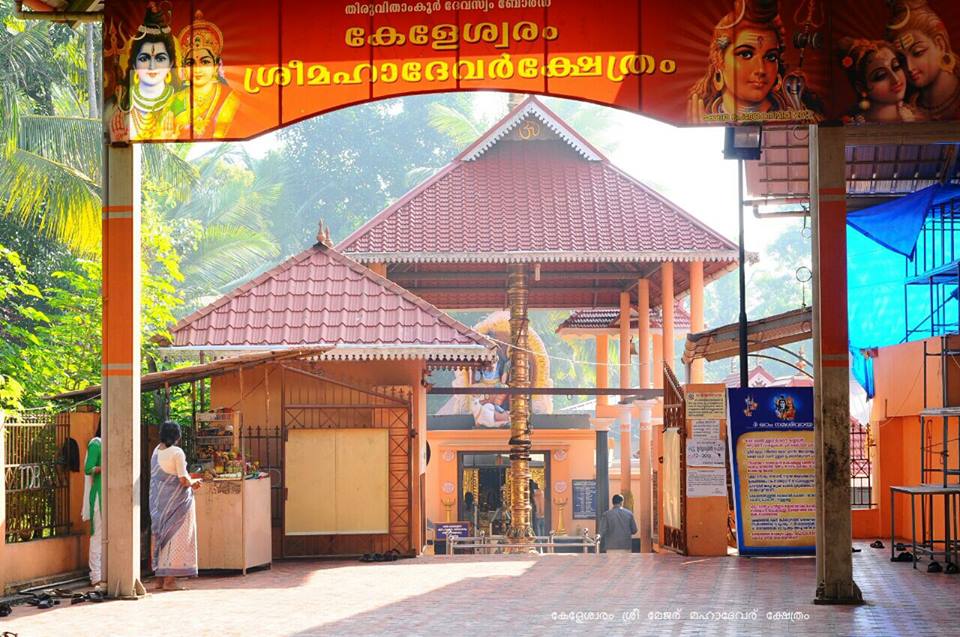
Keleswaram Mahadeva Temple
Keleswaram Mahadeva Temple is a Hindu shrine dedicated to Lord Shiva located in Keleswaram village, Thiruvananthapuram, Kerala. The temple has served as a spiritual center for c…
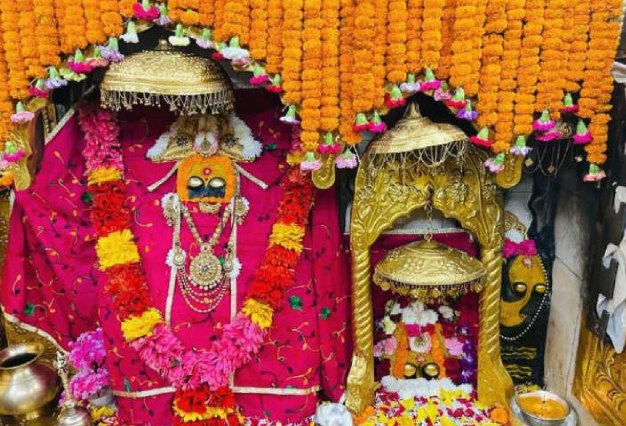
Sri Nainar Deva Temple
Shri Naina Devi Temple is a principal Shakti Peeth located in Bilaspur district, Himachal Pradesh, believed to be the site where the eyes of Goddess Sati fell according to Hindu…
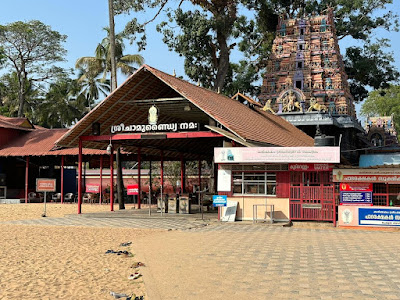
Chamundi Temple 1
Chamundi Temple 1 in Thiruvananthapuram is an 18th-century shrine dedicated to Goddess Chamundi, venerated in her three divine forms: Maha Chamundi, Raktha Chamundi, and Bala Ch…
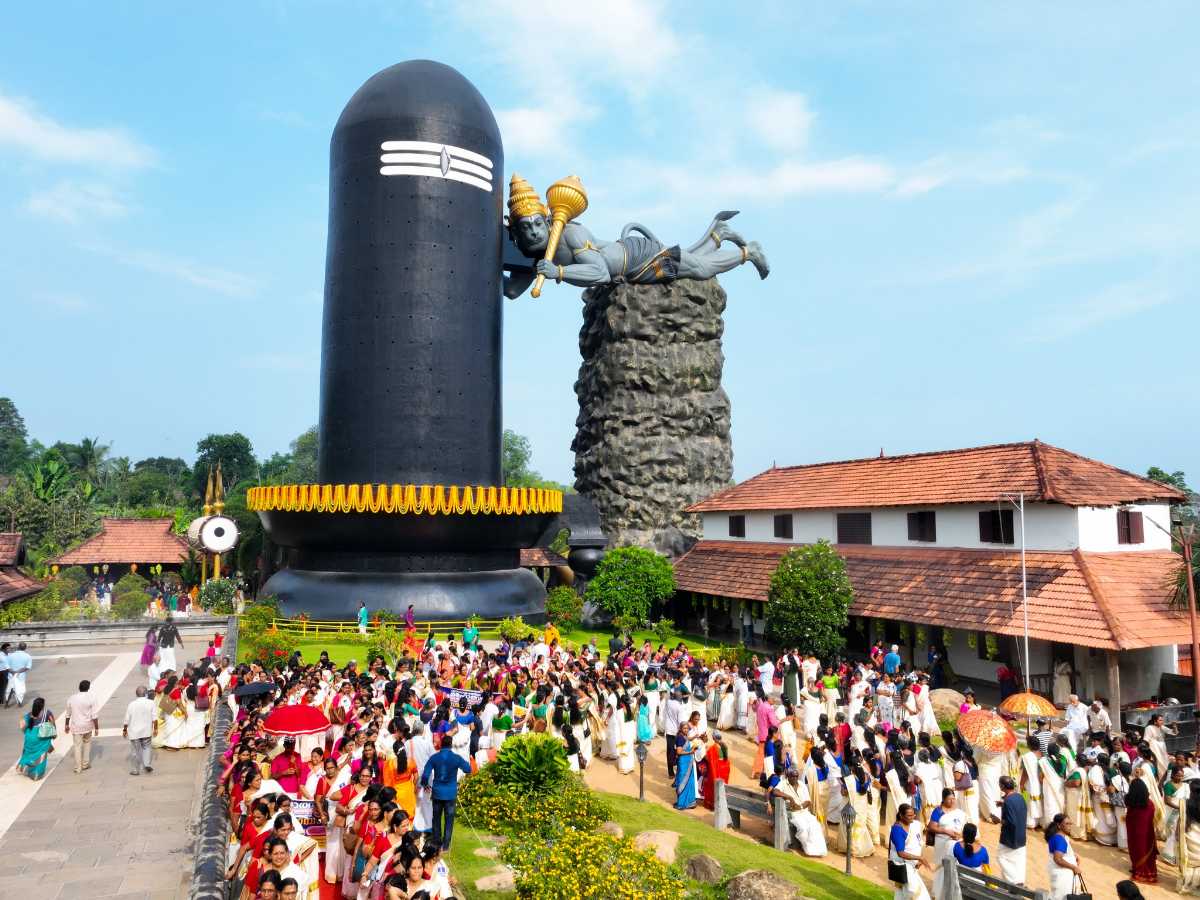
Maheswaram Temple
Maheswaram Sri Siva Parvathi Temple at Chenkal in Thiruvananthapuram houses the world's tallest Shiva Lingam at 111 feet two inches, recognized by the India Book of Records, fea…
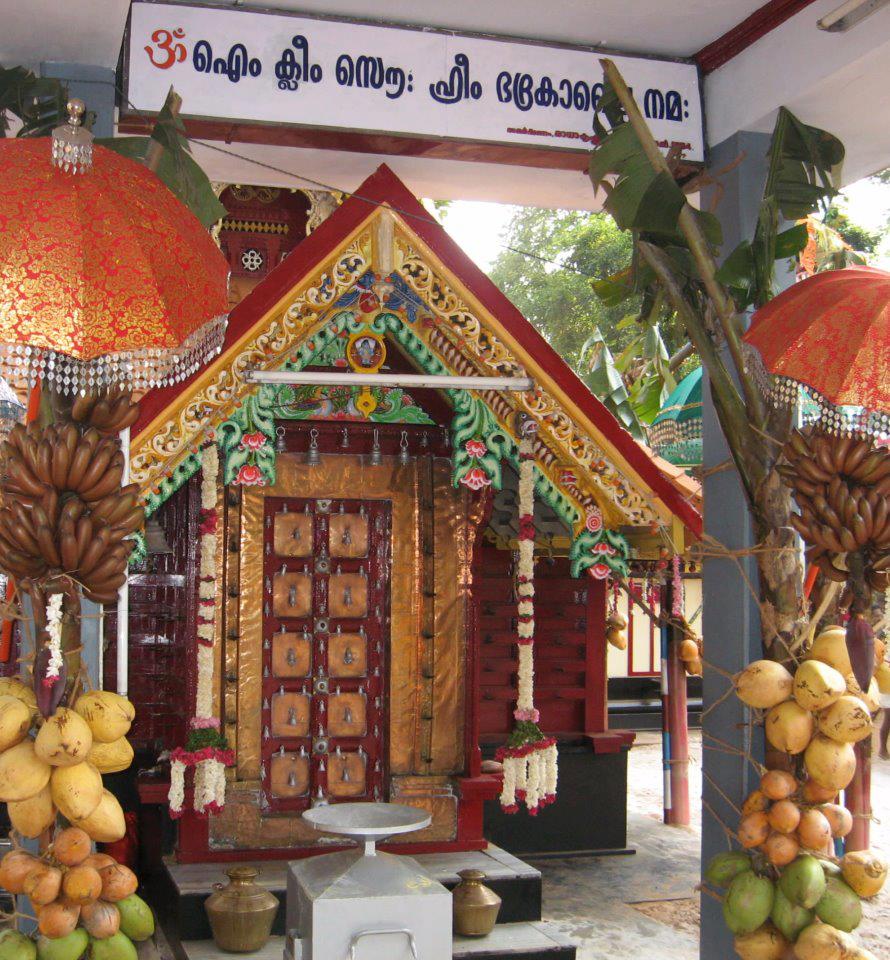
Pachallur Sri Kulathingara Bhadrakali Devi Temple
Pachalloor Sree Bhadrakali Temple, located 7 km south of Thiruvananthapuram, is a six-century-old shrine dedicated to Goddess Bhadrakali. The temple celebrates major festivals i…
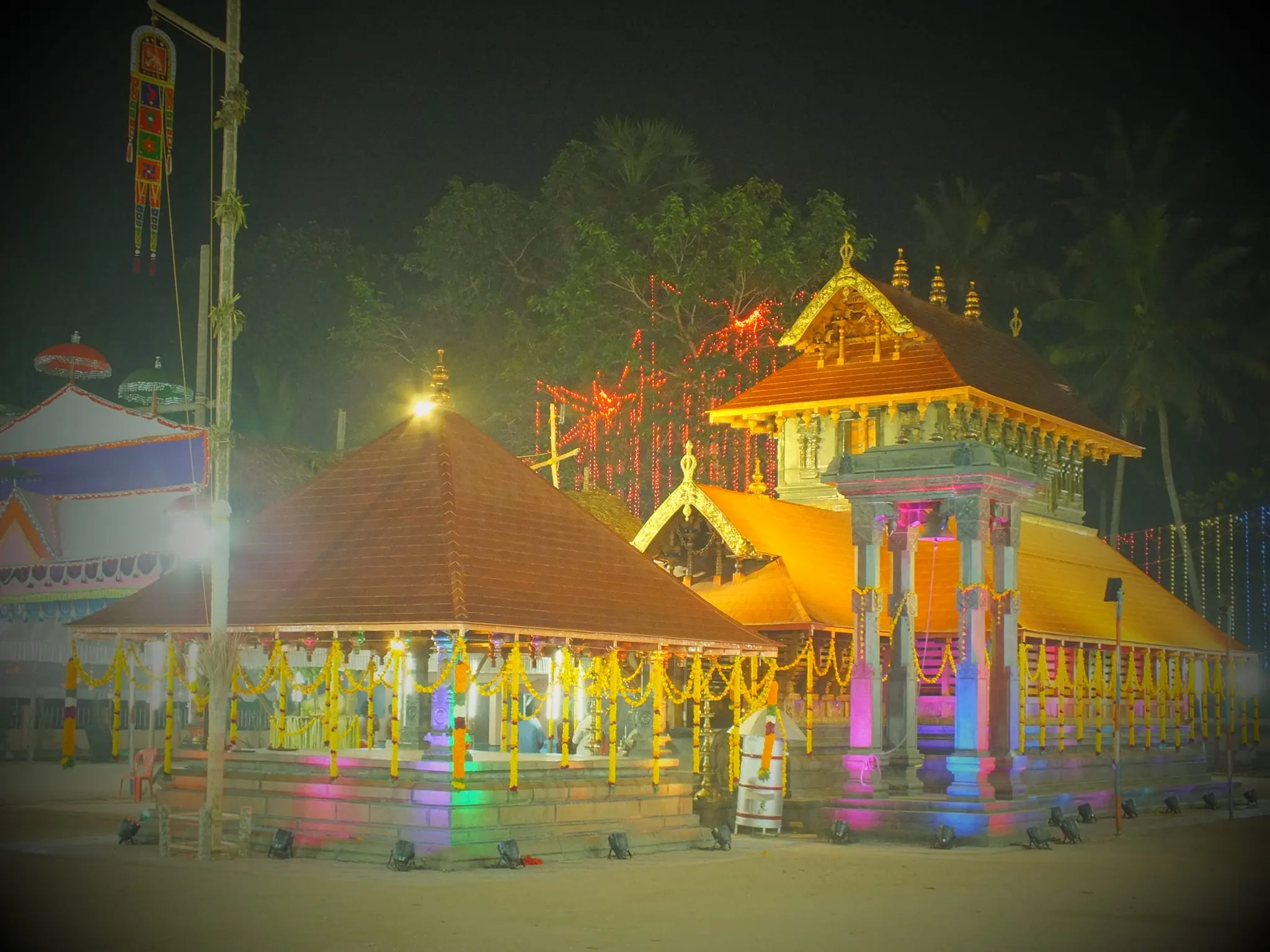
Kulathoor Phanamugham Devi Temple
Kulathoor Phanamugham Devi Temple is an ancient shrine in Thiruvananthapuram, Kerala, dedicated to Goddess Bhadrakali. The temple is renowned for its dramatic Thookkam Nercha ri…